




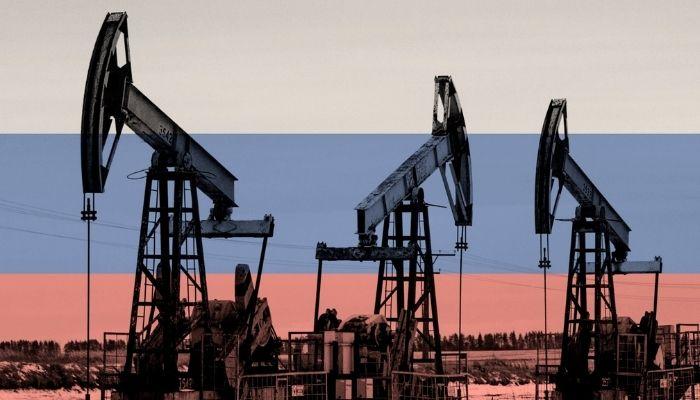
Oil prices dipped on Tuesday as traders weighed the prospect of additional OPEC+ supply, political gridlock in Washington over budget talks, and a new U.S. peace proposal for Gaza that has eased some geopolitical risk premiums.
With no agreement yet in Congress, the U.S. faces the prospect of a government shutdown on October 1, threatening more than two million federal jobs and raising concerns over bond markets. Investors fear a shutdown could spark higher yields on U.S. Treasuries as risk perception rises, potentially unsettling global markets.
Brent crude slipped 0.06% to $66.66 per barrel as of 9:46 a.m. local time (0646 GMT), while U.S. benchmark West Texas Intermediate (WTI) declined by 0.06% to $62.92.
Attention now turns to the October 5 OPEC+ meeting, where producers including Saudi Arabia, Russia, Iraq, the UAE, and others will decide on November output. The alliance already agreed to boost production by 137,000 barrels per day in October, and analysts expect further increases, intensifying concerns about oversupply.
Political developments in Washington are adding pressure. U.S. Vice President JD Vance warned on Monday that a shutdown was likely, accusing Democrats of stalling negotiations. “I think we’re headed to a shutdown because the Democrats won’t do the right thing,” he told reporters.
Meanwhile, President Donald Trump’s newly unveiled 20-point Gaza peace plan briefly reduced market anxiety over Middle East instability. The proposal, backed by Israeli Prime Minister Benjamin Netanyahu, includes an immediate ceasefire, the release of hostages, and a phased Israeli withdrawal from Gaza under international oversight.
The plan’s announcement has temporarily lowered geopolitical risk premiums in oil markets, though analysts caution that uncertainties over its implementation remain.