



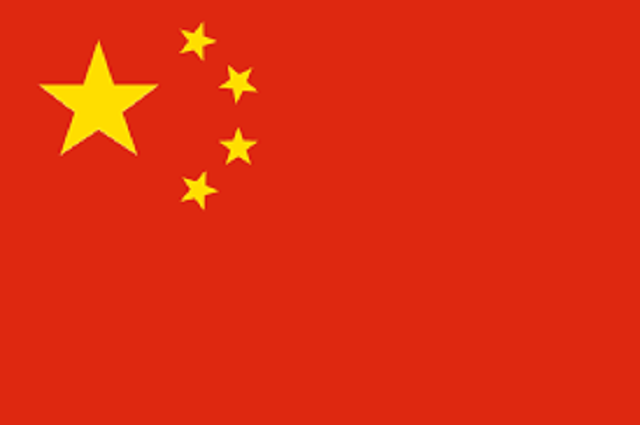
China has introduced a new visa category designed to attract foreign graduates in science, technology, engineering, and mathematics (STEM), in what analysts describe as a strategic move to strengthen its technology workforce.
The K visa, first announced in August, is set to take effect on Wednesday, October 1, 2025. It offers entry, residence, and the right to work in China without the need for employer sponsorship—a departure from the U.S. H-1B system, which requires employer backing and is capped by an annual lottery.
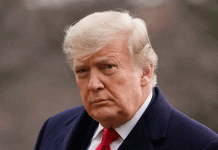
Observers say the timing could give Beijing an advantage as the U.S. considers steep new fees for H-1B visas under President Donald Trump’s administration. “The symbolism is powerful: while the U.S. raises barriers, China is lowering them,” said Iowa-based immigration attorney Matt Mauntel-Medici.
Michael Feller, chief strategist at Geopolitical Strategy, added that U.S. visa restrictions had “shot itself in the foot,” describing the timing of China’s move as “exquisite.”
According to official guidelines published by the State Council of the People’s Republic of China, the visa applies to graduates in STEM fields from recognised universities or research institutions worldwide, with a minimum of a bachelor’s degree. Young professionals engaged in relevant academic or research work are also eligible.
However, the rules leave questions unanswered, including family reunification, permanent residency pathways, and financial or employment support. China also rarely grants citizenship to foreigners, while Mandarin remains a barrier for many non-Chinese speakers.
Analysts note that geopolitical tensions—particularly between China and India—could affect the programme’s appeal, despite the country’s large pool of Indian STEM professionals who traditionally dominate U.S. H-1B allocations.
“It’s an appealing alternative for Indian STEM professionals seeking flexible, streamlined visa options,” said Bikash Kali Das, an Indian student at Sichuan University. “But language and political tensions could be hurdles.”
The K visa is part of broader efforts by Beijing to boost its global competitiveness, alongside measures such as opening more sectors to foreign investment and expanding visa waivers for travellers from Europe and East Asia.
While the new policy may not immediately turn China into a top immigrant destination, experts say even modest gains in foreign tech talent could enhance its position in cutting-edge industries.