






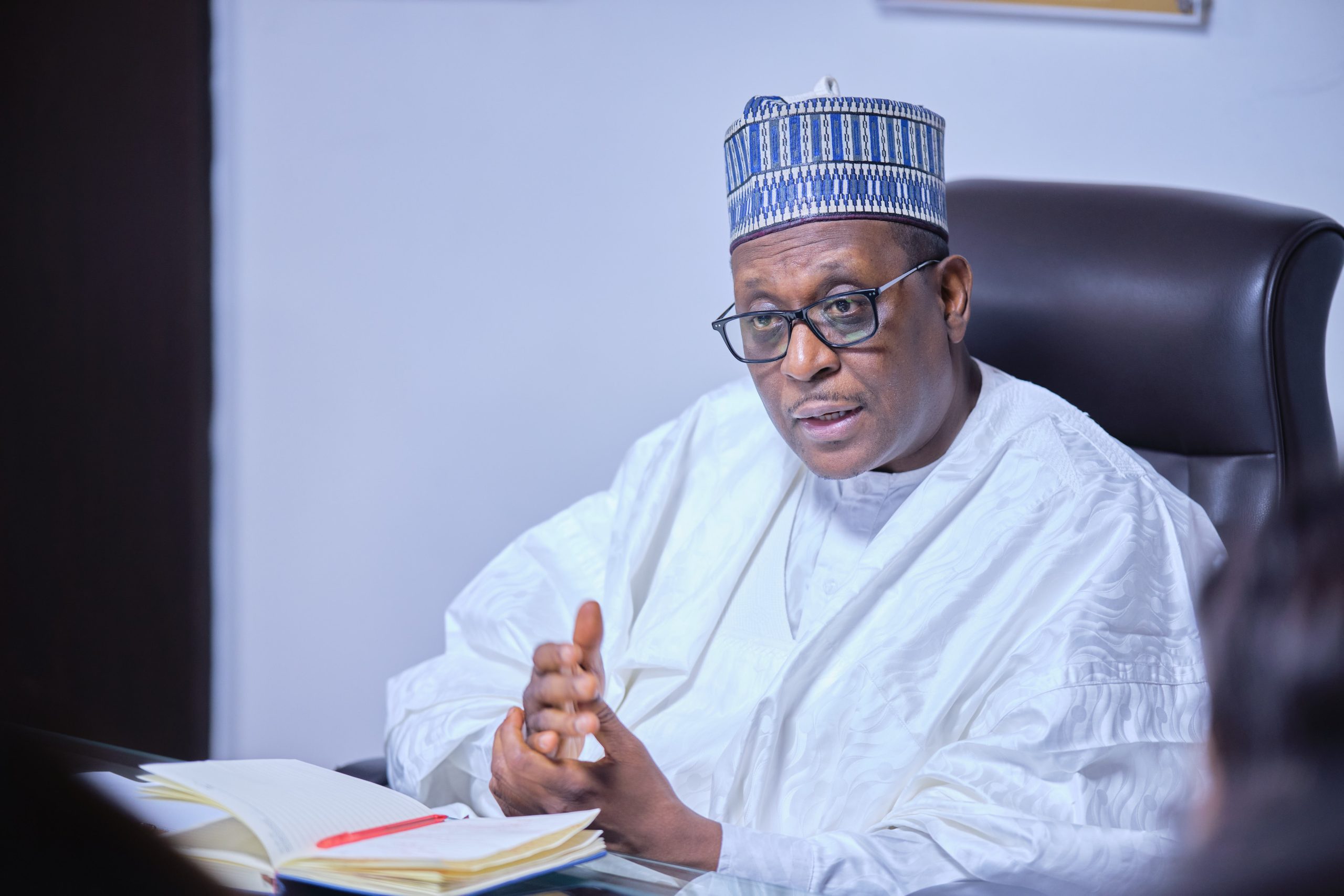
Minister of Health and Social Welfare, Prof. Muhammad Ali Pate, has called on federal, state, and local governments to take greater responsibility for financing and strengthening Nigeria’s healthcare system as foreign aid dwindles.
Speaking yesterday in Abuja at the National Health Financing Policy Dialogue organised by the National Health Insurance Authority (NHIA), Pate warned that households are bearing an unsustainable share of healthcare costs, with out-of-pocket expenditure exceeding 70 per cent.
He expressed concern that only about 10 per cent of Nigerians are covered by health insurance, with wide regional disparities, while counterpart funding for the Basic Healthcare Provision Fund (BHCPF) remains inconsistent, often delayed or unreleased.
Pate also highlighted accountability gaps in the system, noting challenges in tracking funds and linking them to measurable health outcomes. He stressed that high financing costs and regulatory bottlenecks continue to discourage private-sector investment in healthcare.
Despite these challenges, the minister said Nigeria’s fiscal position has improved significantly. He revealed that the country’s consolidated fiscal deficit shrank from 5.4 per cent of GDP in 2023 to 3.0 per cent in 2024, buoyed by a surge in government revenues—from N16.8 trillion in 2023 (7.2 per cent of GDP) to N31.9 trillion in 2024 (11.5 per cent of GDP). He noted that while the federal government recorded strong gains, state governments on aggregate achieved a fiscal surplus, though performance varied widely.
Also speaking, the Minister of Budget and Economic Planning, Senator Abubakar Atiku Bagudu, said the government has introduced mechanisms to attract more investment into the health sector. He acknowledged, however, that the combined resources from both public and private sectors remain far below what is needed to cater to Nigeria’s population of more than 220 million.