






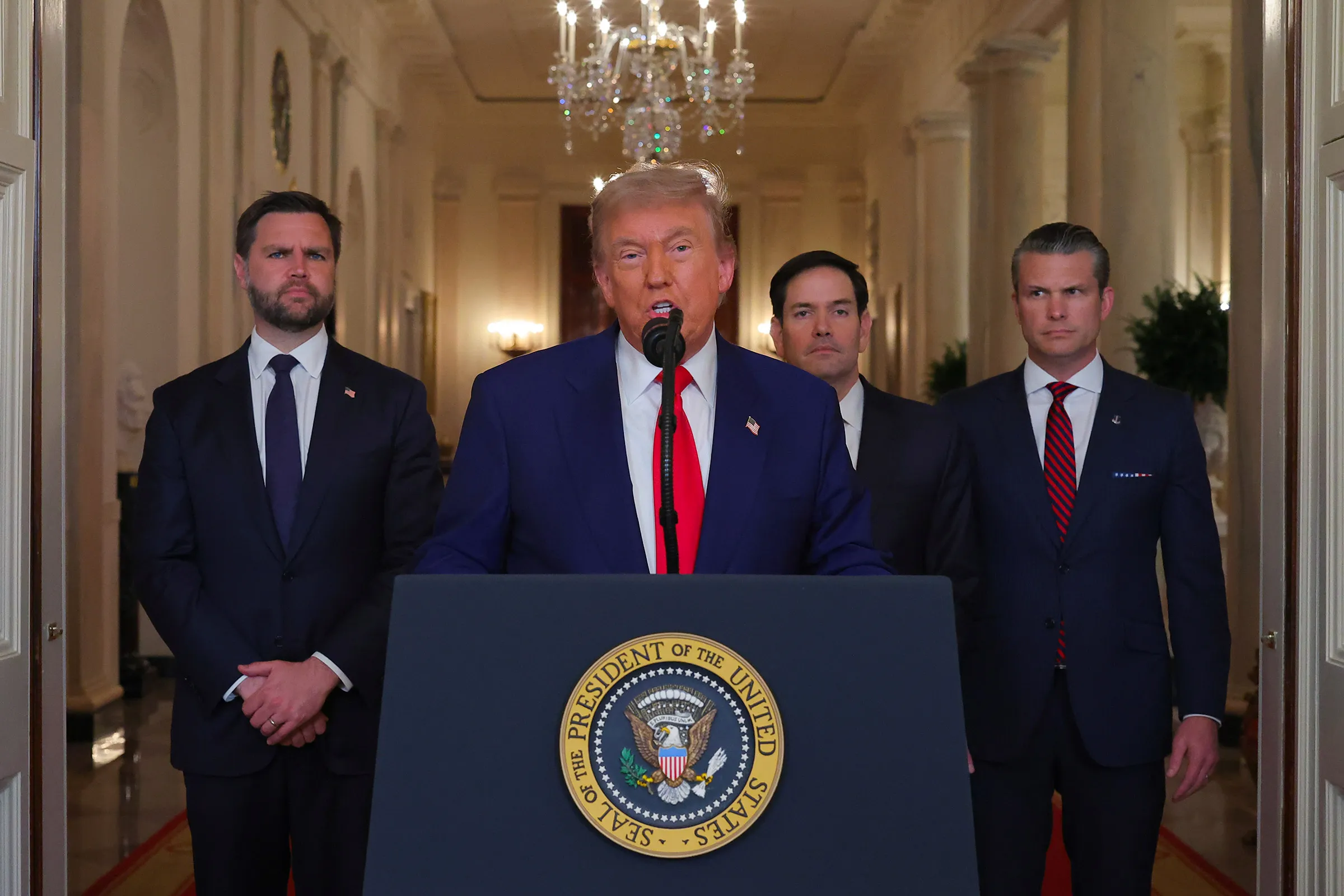
Nigerian exports to the United States will now attract a 15 percent tariff following a new executive order signed by U.S. President Donald Trump on July 31, 2025. The order, which modifies America’s reciprocal tariff structure, places Nigeria among nearly 40 countries penalised for what Washington describes as “unbalanced” trade relationships with the U.S.
The tariff takes effect from August 7 and replaces a previously suspended 14 percent duty imposed in April as part of Trump’s broader push to boost domestic manufacturing and retaliate against what he called “decades of unfair trade practices.”
Talks between both countries failed to yield a compromise during the 90-day suspension window, including a one-month extension, paving the way for the new 15 percent rate.
Under the revised tariff framework, countries with which the U.S. runs a trade deficit—like Nigeria—will face a standard 15 percent duty on all exports to the U.S., while countries with a trade surplus will pay a lower 10 percent. Nigeria remains the second-largest U.S. export destination in Sub-Saharan Africa, holding a trade surplus of $3.29 billion with the U.S., according to the Observatory of Economic Complexity (OEC).
Trump’s order insists the new tariff structure is designed to “restore fairness” and curb what it describes as “systemic trade abuse.”
The policy also introduces a steep 40 percent penalty on transshipments—goods rerouted through low-tariff countries before entering the U.S. market—empowering Customs and Border Protection to investigate and sanction suspected evasions.
But trade pressure on Nigeria may not end there.
Earlier in July, Trump warned of an additional 10 percent tariff on exports from any country aligning with the policies of BRICS, a geopolitical bloc seen by some as counterbalancing U.S. influence. Nigeria formally joined BRICS in January 2025, making it a potential target.
“There will be no exceptions to this policy,” Trump said at the time, suggesting Nigeria’s tariff rate could rise to 25 percent.
Nigeria’s major export to the U.S. is crude oil and petroleum products, which account for around 90 percent of the country’s foreign exchange earnings. While crude oil was reportedly exempt from April’s tariff round, it remains unclear whether the same exclusion applies under the current regime.
Non-oil exports such as cocoa, urea-based fertilisers, leather, and value-added products that Nigeria has been pushing into the U.S. market are likely to face higher landing costs, potentially reducing competitiveness.
Trade experts say the development could significantly affect Nigeria’s export revenues and may require a strategic pivot towards alternative trade partners or regional blocs to cushion the impact.