



In the dynamic financial landscape of Nigeria, individuals are increasingly faced with the decision of whether to invest in cryptocurrencies or to adhere to traditional savings methods. This dilemma is particularly pertinent in an era marked by digital innovation and economic volatility.
The Allure of Cryptocurrency Investments
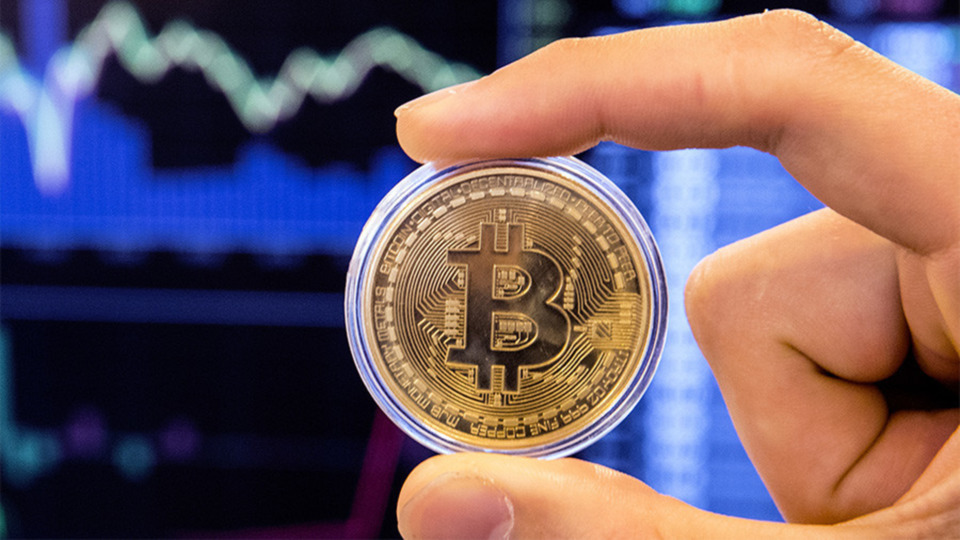
Cryptocurrencies, such as Bitcoin and Ethereum, have garnered significant attention for their potential to yield substantial returns. The decentralized nature of these digital assets offers an alternative to traditional banking systems, appealing to those seeking autonomy over their financial transactions.

In Nigeria, the adoption of cryptocurrencies has been notable. A survey by Luno revealed that eight out of ten Nigerians are willing to allocate a portion of their salaries to cryptocurrency investments over the next five years. This trend underscores a growing confidence in digital currencies as viable financial instruments.
Moreover, cryptocurrencies are perceived as a hedge against inflation and currency devaluation. Given the fluctuating value of the Naira, digital assets offer an alternative means of preserving wealth.
The Stability of Traditional Savings
Conversely, traditional savings accounts provide a sense of security and predictability. Funds deposited in banks are typically insured and accessible, making them a reliable option for individuals with low risk tolerance.
However, the returns on savings accounts are often modest and may not keep pace with inflation. This limitation can erode the purchasing power of saved funds over time, prompting some to explore alternative investment avenues.
Weighing the Options
The decision between investing in cryptocurrencies and maintaining traditional savings hinges on individual financial goals and risk tolerance. For those seeking high returns and willing to navigate market volatility, cryptocurrencies may present an attractive opportunity. Conversely, individuals prioritizing capital preservation and stability may prefer the predictability of savings accounts.
It’s also worth considering a diversified approach, allocating funds to both savings and cryptocurrency investments to balance potential risks and rewards.
Conclusion
As Nigeria’s financial ecosystem continues to evolve, individuals are presented with diverse options for managing their wealth. Whether choosing the innovative path of cryptocurrency investments or the traditional route of savings, informed decision-making is crucial. By assessing personal financial objectives and risk appetite, individuals can tailor strategies that align with their long-term goals.