





…Local authorities blame suspected herders for weekend raids
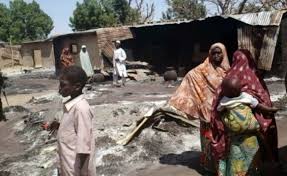
More than 30 people have been reportedly killed in a series of attacks on villages in Gwer West Local Government Area of Benue State over the weekend, marking yet another violent episode in Nigeria’s conflict-prone Middle Belt region.
Chairman of the Gwer West LGA, Mr Ormin Torsar Victor, confirmed the attacks to AFP on Monday, stating that the assaults took place across three communities between Friday and Sunday. He said that no fewer than 20 people were killed in Aondona village on Sunday alone, while additional fatalities were recorded in other neighbouring settlements.
“Children of less than two years are being killed. The worst sight is a baby macheted on its mouth,” said Ruthie Dan Sam, a resident of Aondona, who spoke to AFP. She added that killings also occurred in nearby villages but said she could not confirm the casualty figures.
Mr Victor further disclosed that he and other residents had personally buried five victims in Tewa Biana village, including a father and his two sons, in an area he described as being “very close to a military base.”
While the motive behind the attacks remains unclear, Victor alleged that the raids were carried out by suspected Fulani herders, describing the incidents as “coordinated attacks.”
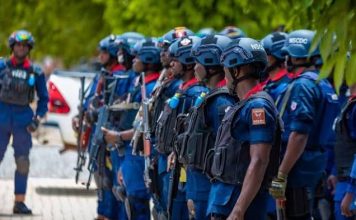
Benue State Police spokesperson, SP Anene Sewuese Catherine, confirmed that two separate attacks occurred in the area but stated that the command had not received any report of 20 casualties. She noted that one of the attacks led to the death of a police officer who repelled the assailants, and that three additional bodies had been recovered.
Benue State, located in Nigeria’s volatile Middle Belt, has long been a flashpoint for violent clashes between nomadic Fulani herders—mostly Muslim—and sedentary farming communities, who are predominantly Christian. Disputes over land use and grazing rights often escalate into deadly confrontations, with both sides trading accusations of aggression and retaliation.
The latest violence adds to the growing humanitarian and security crisis in the region, which has seen repeated attacks despite the presence of security operatives.