





The Yobe State Government has reaffirmed its commitment to achieving at least 80 per cent vaccination coverage by 2026, as part of an intensified effort to close immunisation gaps and protect children against vaccine-preventable diseases.
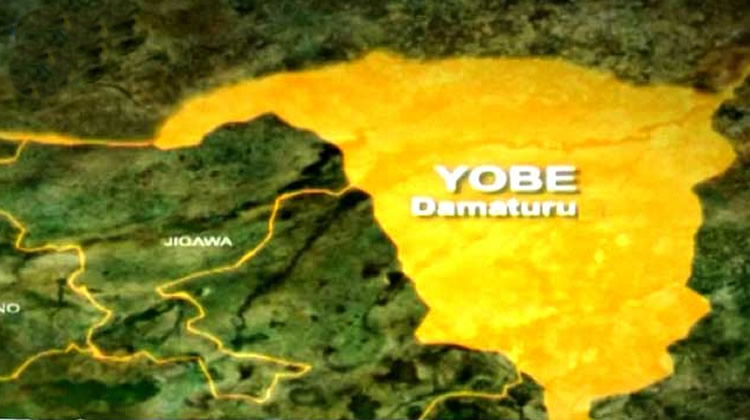
State Commissioner for Health, Dr Mohammed Gana, made the declaration in Damaturu on Tuesday during a one-day media dialogue organised to commemorate the 2025 World Immunisation Day. He said the state is deploying strategic interventions to reach underserved, remote, and vaccine-hesitant communities.
“Unvaccinated children pose a significant public health risk, contributing to recurrent outbreaks of diphtheria, cholera, cerebrospinal meningitis, and vaccine-derived poliovirus,” Dr Gana stated. “To achieve herd immunity and protect our communities, we must reach at least 80 per cent coverage by next year.”
He called on healthcare workers to prioritise fixed immunisation sessions and ensure no community is left behind, particularly zero-dose settlements—areas where children have not received any routine vaccines.
Dr Gana acknowledged ongoing outbreaks in the state, including diphtheria and meningitis (particularly Type C), as well as sporadic cases of cholera and acute watery diarrhoea. He also expressed concern over recent detections of circulating vaccine-derived poliovirus types 2 and 3 in some local government areas.
“These developments have served as a wake-up call, not only to the state health authorities but to national public health stakeholders,” he added.
Providing further insight, the Director of Disease Control and Immunisation at the Yobe State Primary Health Care Management Board, Dr Umar Chiroma, revealed that as of 2024, 17.5 per cent of children in the state were classified as zero-dose — those who had received no form of routine immunisation.
“Gulani and Geidam Local Government Areas were identified at the national level as high-burden zero-dose LGAs,” Dr Chiroma said. He noted that the state is strengthening its healthcare systems and integrating services to ensure better outreach and vaccine access.
Speaking on inter-state collaboration, the Borno State Immunisation Officer, Maina Modu, said Borno is also stepping up efforts to reduce the number of zero-dose children by extending vaccination outreach to hard-to-reach areas.
“Children are also being vaccinated at strategic transit points to catch up on missed or overdue vaccines,” Modu said, noting these initiatives form part of a broader ‘Big Catch-Up’ strategy designed to boost immunisation uptake through community-focused responses.
In his remarks, UNICEF Health Officer, Mr Bashir Elegbede, urged all stakeholders to work collaboratively to reduce the number of zero-dose children by 25 per cent by 2025, and by 50 per cent by 2030, in line with global immunisation targets.
He stressed the need to strengthen immunisation platforms, ensure equitable vaccine access, and involve traditional leaders, community influencers, and development partners in advocacy and service delivery.
“Leaving no child behind requires a united front and sustained investment in routine immunisation,” he said.