








Amid rising concerns over the structural integrity of Lagos’ aging bridges, members of the Dredgers Association of Nigeria (DAN) have firmly denied any involvement in the deterioration of the iconic Eko and Carter bridges, calling instead for a clear distinction between regulated dredging and unregulated reclamation activities.
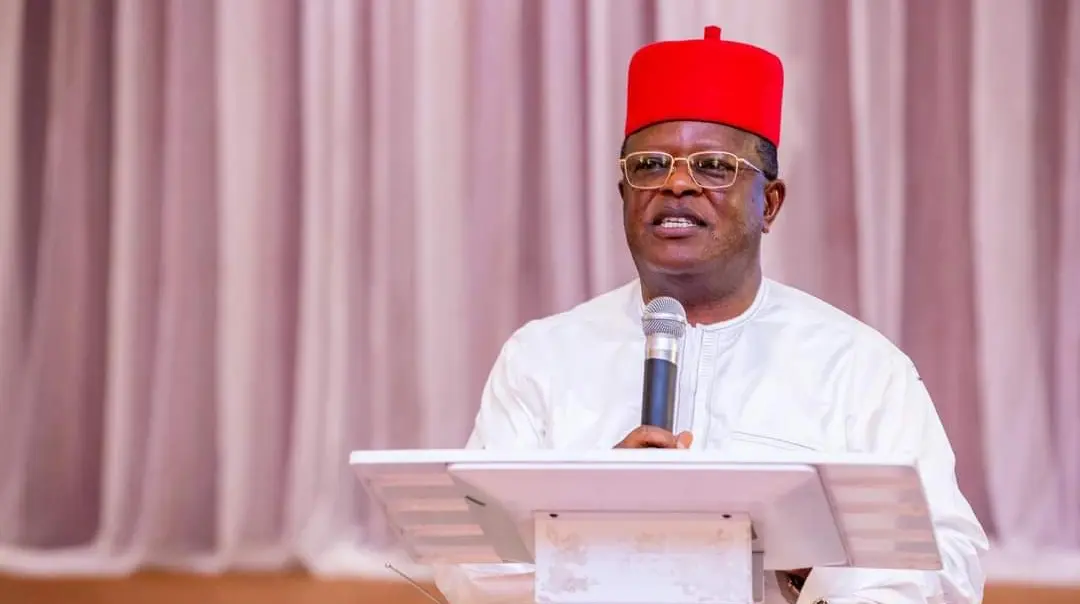
At an emergency meeting held in Lagos on Thursday, the association pushed back against recent remarks by the Minister of Works, Senator David Umahi, who had attributed part of the infrastructure decay to the activities of dredgers. The minister had recently raised alarm over the state of the bridges, blaming dredging operations for their weakening foundations.
In a statement signed by the association’s General Secretary, Richard Ntan, DAN described the minister’s assertions as “misinformed” and potentially misleading to the public. It warned that conflating professional dredging with illegal reclamation work not only undermines the industry but also distracts from identifying the true sources of infrastructure threats.
“There is no direct interaction between our dredging operations and the foundations of these bridges,” the statement read. “Our work is conducted far from such structures—mostly within the creeks and central portions of the Lagos Lagoon—and is governed by environmental regulations and strict safety standards.”
Ntan explained that dredging remains a crucial aspect of Lagos’ economic and environmental sustainability, facilitating navigable waterways for commerce, fishing, and marine transport.
He stressed that while DAN acknowledges the minister’s concerns, it is essential to distinguish between professional dredgers and operators engaged in unregulated reclamation, especially around sensitive zones such as the Third Mainland Bridge.
“These reclamation activities, often carried out without oversight, are the real culprits,” he said. “We urge the Ministry of Works and relevant regulatory agencies to identify and investigate those involved in illegal land reclamation near bridges. Our association is willing to support such efforts.”
DAN reiterated that its members operate under precise and supervised methods that minimise environmental and structural impact, and should not be lumped together with practices that are neither sanctioned nor scientifically guided.
Their response comes as the Federal Government continues its assessment of critical infrastructure nationwide, including the Lagos-Calabar coastal highway project, for which Umahi confirmed on Thursday that N18 billion has been approved as compensation for affected individuals and property owners.
As Lagos residents express growing fears about the safety of its bridges, the dredging industry insists that it is part of the solution, not the problem. In the words of one veteran operator at the meeting: “We dredge to sustain the waterways, not to sink the city.”
The association called for open dialogue with the Ministry to establish clear regulatory boundaries and protect both infrastructure and legitimate businesses from misjudged scrutiny.











 ..,.)