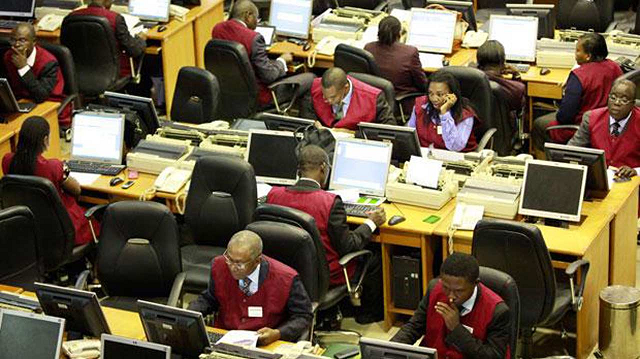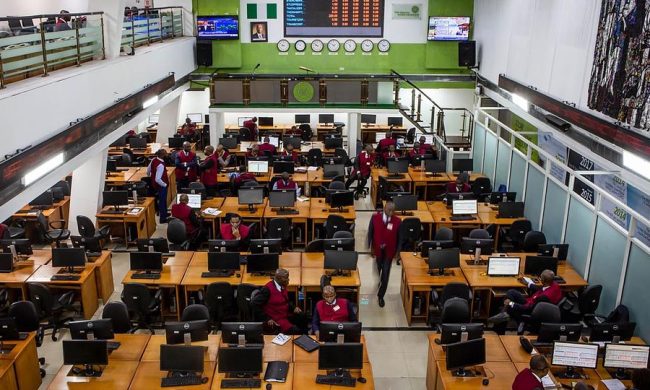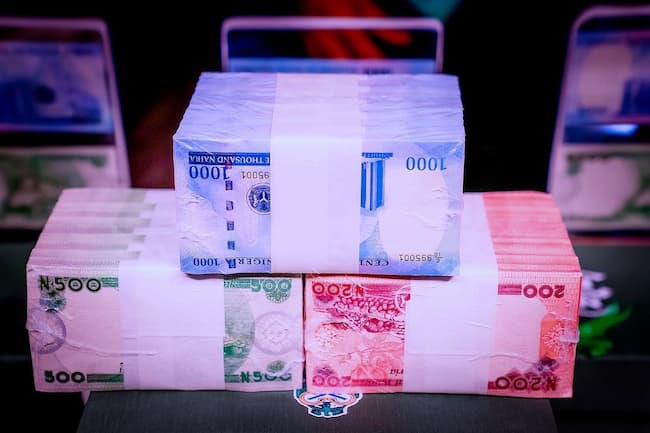
The Nigerian naira depreciated against the US dollar in various foreign exchange markets as strong dollar demand from foreign investors outpaced the CBN’s interventions.
During the past week, the exchange rate fell by N24.75 before closing at N1,517.24 per US dollar on Friday. The official market faced intense pressure due to a surge in demand for dollars.
According to a report from CardinalStone Partners Limited, the drop in the naira’s value was driven by profit-taking actions from FPIs and Nigerian businesses, despite the CBN’s dollar sales to banks. Offshore demand remained strong, even after the CBN intervened by selling over $131.7 million—the second-largest single-day sale this year, AIICO Capital Limited stated.
The week began with the naira trading at N1,510 per dollar, but rising demand pushed it to N1,540-N1,560 by the week’s end. Market turnover hit $320 million, although some transactions were yet to be recorded.
Overall, the naira weakened by 1.659% compared to the previous week, falling from N1,492.49/$ to N1,517.24/$. In the parallel market, the exchange rate further depreciated to N1,570 due to growing demand pressures.
The recent depreciation suggests that the exchange rate stability seen in previous months has been disrupted. Analysts believe the currency market’s outlook will depend on the CBN’s willingness to support the naira amid fluctuating foreign exchange inflows.
According to FMDQ data, total inflows into Nigeria’s FX market fell by 12.9% month-on-month to $4.12 billion in February, down from $4.74 billion in January. Cordros Capital Limited attributed this to a decline in both foreign and local inflows. Foreign inflows dropped by 10.5% to $2.07 billion, largely due to a 12.5% reduction in FPI inflows and a 12.3% dip in foreign direct investment (FDI).
On the local front, inflows fell by 15.1% to $2.06 billion due to a 62.5% decline in individual FX inflows and a 36.3% reduction in the CBN’s FX supply. Additionally, exporter/importer inflows fell by 22.5%.
Cordros Capital projects that FX inflows will remain strong in the short term, but declining yields—caused by inflation adjustments—could make Nigeria less attractive for foreign investors, potentially limiting FX inflows.
Meanwhile, CardinalStone Partners noted that despite the recent depreciation, the naira has been relatively stable since the beginning of the year, gaining 2.5% year-to-date. The report also pointed out that recent naira fluctuations were partly due to Nigeria servicing external debts, including the repayment of a $3.5 billion IMF loan received in 2020 under the Rapid Financing Instrument (RFI). This loan, which Nigeria started repaying in 2023, will see its final payments completed this year.