





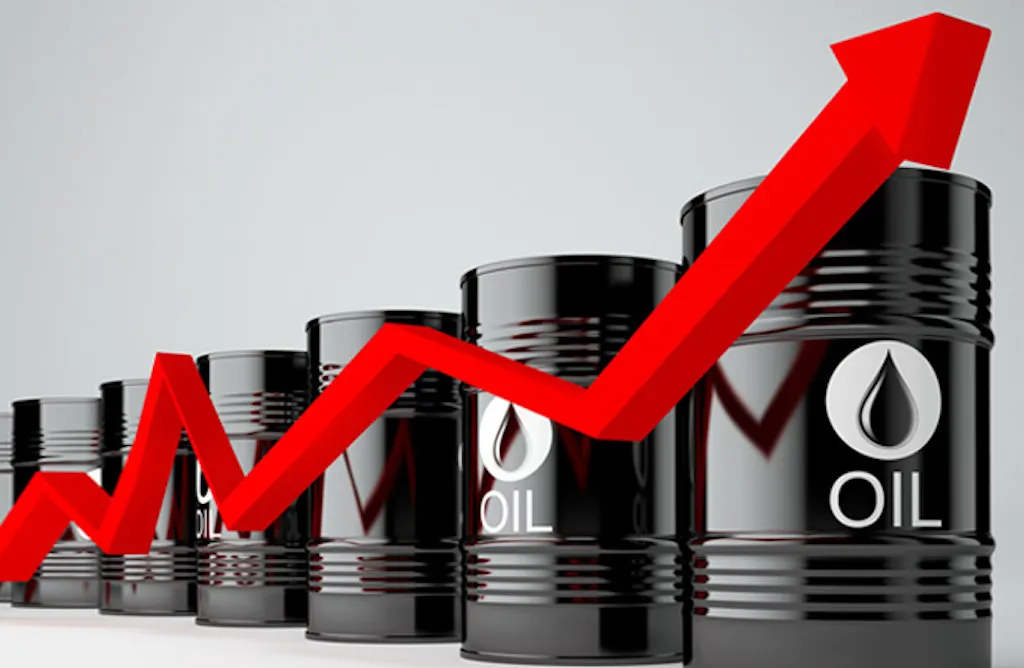
Oil prices rebounded but remained below $70 per barrel due to concerns over supply disruptions caused by sanctions on Iran and Russia. Additionally, uncertainty surrounding US trade tariffs and OPEC+ production plans added pressure on the market.
US Treasury Secretary Scott Bessent reinforced strict sanctions on Russian and Iranian energy sectors, emphasizing the US government’s intent to use sanctions as a geopolitical tool.
As of 9:36 AM local time, Brent crude gained 0.27%, trading at $69.39 per barrel, while WTI crude increased 0.24% to $66.15 per barrel.
The price rise followed statements from Bessent, who criticized previous weak sanctions on Russian energy, arguing that they contributed to prolonging the ongoing war. He stated that the US government would maintain and even strengthen sanctions to apply maximum economic pressure on adversaries.
Last month, the White House announced a new ‘maximum pressure’ campaign targeting Iran’s entire oil supply chain and drone manufacturing industry. “We are going to shut down Iran’s oil sector and its ability to manufacture drones,” Bessent stated.
These developments have heightened concerns about global oil supply and contributed to rising prices.
At the same time, the US government’s trade policies are creating additional economic uncertainty. The recent 25% tariff on imports from Canada and Mexico took effect on March 4, while tariffs on Chinese goods doubled from 10% to 20%.
US President Donald Trump signed an exemption for goods that comply with the US-Mexico-Canada Agreement (USMCA), delaying tariffs on Canadian and Mexican imports until April 2. However, trade experts warn that these tariffs could disrupt global commerce, slow economic growth, and reduce oil demand.