








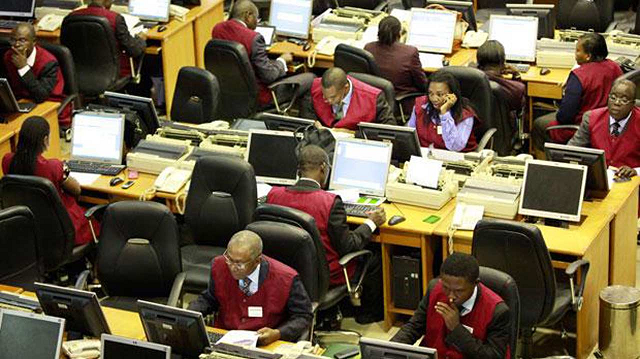
Nigerian banks borrowed a staggering N8.6 trillion from the Central Bank of Nigeria (CBN) through its Standing Lending Facility (SLF) last week due to a liquidity crunch in the financial sector.
Why Banks Are Borrowing More
Persistent cash shortages pushed banks to seek short-term loans from the CBN to cover funding gaps. While there were inflows from Open Market Operations (OMO) bill repayments, they were not enough to offset the liquidity deficit.
The CBN also conducted its routine cash reserve ratio (CRR) maintenance, which further strained liquidity in the banking system. This added pressure to the already negative interbank liquidity levels.
Interest Rates Stay High
Due to the liquidity crisis, short-term borrowing rates remained elevated. The Overnight Policy Rate (OPR) and the Overnight Rate (O/N) hovered around 32%, reflecting the tight financial conditions.
Despite a slight boost from Nigerian Treasury Bills (NTBs) auctions, where the government credited banks with N505 billion, the system remained in deficit.
By midweek, the liquidity shortfall peaked at N1.588 trillion before reducing to N1.22 trillion on Thursday. However, with primary market repayments worth N1.6 trillion, the situation improved slightly.
Outlook for the Banking Sector
Market analysts predict further pressure on liquidity as upcoming government bond auctions are expected to absorb more cash. This means interbank borrowing rates could remain above 30% in the coming weeks.


 through its Standing Lending Facility (SLF)....)