





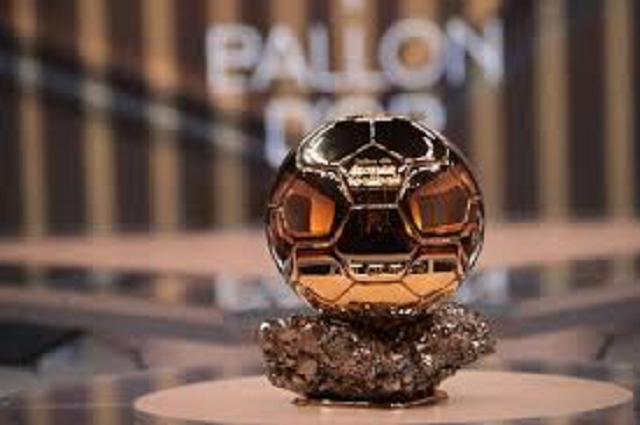
The Ballon d’Or isn’t just another award—it’s football’s version of the Oscars. Golden lights, legendary names, emotional speeches, and that famous golden ball. And in 2025, the ceremony promises to be bigger than ever. With new categories, global rivalries, and young stars rising faster than ever, this year’s edition is shaping up as one of the most unpredictable in recent memory.
So, if you’re counting down to September 22 when Paris once again takes center stage, here are ten things you should know before the curtains rise at the Théâtre du Châtelet.
1. Paris Is Still the Stage Where Dreams Are Crowned
There’s something poetic about the Ballon d’Or staying rooted in Paris. The Théâtre du Châtelet has seen decades of football greatness pass through its doors—Messi, Ronaldo, Modrić, and more. On September 22, 2025, it’ll be the 69th time the ceremony unfolds in the French capital. Paris, a city of romance and history, doubles up as the football world’s cathedral for one night.
And you know what? For the players, walking up those steps is almost as nerve-wracking as scoring a penalty in a Champions League final.
2. It’s Not Just About the Ballon Anymore
When people hear “Ballon d’Or,” they often think of the one golden trophy for the best male player. But the event has grown into a full-blown football festival. This year, there are awards for:
- Men’s and Women’s Ballon d’Or (best players)
- Kopa Trophies (best young players)
- Yashin Trophies (best goalkeepers)
- Gerd Müller Trophies (top scorers)
- Johan Cruyff Trophies (best coaches)
- Club of the Year awards (men and women)
- The Sócrates Award (humanitarian efforts)
And here’s the twist—2025 introduces three new awards for women: the Women’s Yashin, Women’s Gerd Müller, and Women’s Kopa. That’s a huge step for women’s football recognition. Honestly, it’s about time.
3. The Nominee Lists Read Like a Fantasy Football Squad
Take a peek at the men’s list—it’s stacked. Jude Bellingham, Haaland, Mbappé, Vinícius Júnior, and even rising talents like Lamine Yamal. On the women’s side, names like Aitana Bonmatí, Alexia Putellas, Barbra Banda, and Leah Williamson stand tall.
But what’s interesting is how many new faces pop up this year—players who’ve exploded onto the scene over just one season. Désiré Doué, Michael Olise, and Temwa Chawinga aren’t exactly household names yet, but a Ballon d’Or nomination can change that overnight.
4. How Do They Even Pick the Winners?
It’s not a random popularity contest. The voting process is meticulous. Journalists from the top 100 FIFA nations (for men) and top 50 (for women) cast their votes. Each juror ranks ten players, awarding points from 15 down to 1.
The criteria?
- Individual brilliance—those “wow” moments we all replay on YouTube.
- Team achievements—because medals still matter.
- Class and fair play—football’s about respect, not just goals.
If there’s a tie, first-place votes break it. Still tied? Then second-place votes. It’s like extra time, penalties, and sudden death, but for votes.
5. Players Actually Keep Their Trophies (And Can Ask for Extras)
Yes, the winners get to keep their shiny Ballon d’Or forever. Some even request official replicas—imagine having one in your living room and another in your parents’ house. France Football itself keeps a couple of originals for display.
Fun fact: both Pelé and Diego Maradona received honorary Ballon d’Ors because they weren’t eligible back in their playing days. It’s football history correcting itself, late but deserved.
6. UEFA’s Partnership Changed the Game
Until recently, the Ballon d’Or was purely France Football’s baby. But since 2024, UEFA has stepped in as a co-organizer. Their aim? Expand its global influence, make it more accessible, and frankly, give it the glitz of the Champions League anthem.
But don’t worry—the voting system remains independent. UEFA’s role is more about marketing muscle and making the gala feel like a world-class event, not a niche magazine ceremony.
7. Coaches Finally Get Their Spotlight Too
The Johan Cruyff Trophy is now a fixture, and the names on the list are fascinating. Antonio Conte, Luis Enrique, Hansi Flick, Enzo Maresca, Arne Slot—each with a wildly different coaching philosophy. On the women’s side, Sarina Wiegman, Sonia Bompastor, and Nigeria’s own Justine Madugu are contenders.
This is big. For decades, coaches were background characters on Ballon d’Or night. Now they’re part of the main script.
8. Clubs Battle for Bragging Rights
It’s not just individuals—it’s entire institutions being honored. Men’s Club of the Year nominees include Barcelona, PSG, Liverpool, Chelsea, and Brazil’s Botafogo. On the women’s side, Arsenal, Barcelona, Chelsea, Lyon, and Orlando Pride made the shortlist.
This award matters because it reflects consistency across competitions. Clubs crave it. Imagine the bragging rights: “Not only do we win trophies on the pitch—we were the best in the world.”
9. Last Year’s Winners Set the Bar High
Let’s rewind. In 2024, Rodri (Manchester City) took home the men’s Ballon d’Or, while Aitana Bonmatí (Barcelona) cemented her status as the queen of midfield artistry.
Other winners?
- Kopa: Lamine Yamal
- Yashin: Emiliano Martínez
- Men’s Coach: Carlo Ancelotti
- Women’s Coach: Emma Hayes
- Men’s Club: Real Madrid
- Women’s Club: Barcelona
That list shows one thing—dominance by Spain-based talent. Will 2025 continue the Spanish flavor, or will England, Germany, or even Africa steal the show?
10. The Ceremony Is Entertainment in Its Own Right
Sure, it’s about football. But let’s not pretend it’s only about football. The Ballon d’Or is theater. Flashy red carpets, celebrity presenters, emotional speeches, and sometimes awkward translator moments.
This year, the hosts are Dutch legend Ruud Gullit and British journalist Kate Scott. Expect charisma, banter, and maybe a cheeky joke about VAR. And honestly, watching players out of their jerseys—suits, gowns, and all—is a refreshing reminder that even superstars are human.
The Bigger Picture: Why Fans Care So Much
Here’s the thing: fans argue endlessly about the Ballon d’Or. Who deserves it more? Who got robbed? Why didn’t my favorite make the cut? But that’s the magic—it fuels conversations in pubs, on Twitter, and in WhatsApp groups around the world.
Is it always “fair”? Maybe not. But does it capture the essence of football’s storytelling—heroes, villains, underdogs, legends in the making? Absolutely. And in 2025, with new women’s categories, rising stars like Yamal and Caicedo, and powerhouses like Haaland and Mbappé, we’re on the verge of another unforgettable night.
Final Whistle
The Ballon d’Or isn’t just about lifting a golden trophy; it’s about immortalizing a season, a career, a legacy. On September 22, the football world will pause, eyes locked on Paris.
Will Mbappé finally get his crown in Madrid colors? Could Bellingham follow in the footsteps of English greats? Will Aitana Bonmatí defend her throne or pass the torch? We’ll know soon enough. Until then, the debates, the predictions, and the anticipation are all part of the spectacle. Because in football, the story never ends when the whistle blows—it just takes another turn under the spotlight.