







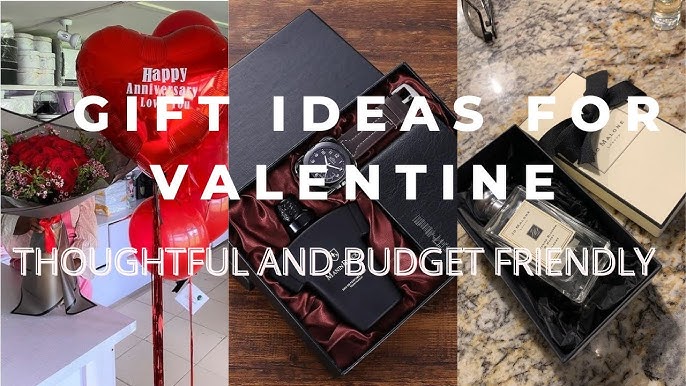
Let’s first be honest about ₦100,000; it’s not a little money. But it’s not a lot of money either. It’s that middle zone where effort becomes visible, where love feels more intentional, and where you can give something that looks premium without destroying your February budget and salary.
This price bracket quietly drives consistent Valentine’s spending. Not the million-naira splurges, or the quick ₦10,000 buys. The middle class—salary earners, entrepreneurs, rising professionals—is the real Valentine engine.
So why is ₦100,000 the sweet spot? What can you buy that’s thoughtful, elevated, and worth the price?
Let’s break it down for you:
1. Luxury Tech (But Still Practical)
You can’t go wrong with tech. It’s modern. It’s useful. And it carries that subtle “I invested in you” energy. Under ₦100,000, solid options include:
- Mid-range smartwatches
- Premium wireless earbuds and earpods
- Portable Bluetooth speakers
- Entry-level help gadgets- pens, magnetic chargers, laptop stands, chargers
- High-quality power banks or accessories bundles
Brands like Samsung, Xiaomi, Oraimo, and JBL offer products in this range that feel polished and gift-worthy. And because tech is functional, it avoids that awkward “where will I even use this?” reaction.
Honestly, tech gifts work because they blend romance with daily life. Every time they use it, they remember you. That’s quite marketing genius—except you’re the brand.
2. A lovely Experience
Now let me explain something important. Nigerians are shifting from pure material gifts to experiences. A well-planned dinner at a top restaurant in Lagos or Abuja can easily sit between ₦40,000 and ₦100,000 for two. Add décor, maybe a surprise cake, and suddenly it feels cinematic.
A one-night staycation in a boutique hotel. Many quality hotels offer Valentine packages within this range—bedroom décor, breakfast included, maybe even spa access. Experiences feel expensive. And perception matters. Plus, in a culture where Instagram stories matter, experience-based gifts give social proof. That’s not shallow—it’s just how social currency works now.
3. Fashion and Accessories That Signal Effort
Fashion in this bracket gets interesting. You’re not buying luxury brand flagship pieces, but you’re buying craftsmanship and polish.
₦100,000 allows for:
- Designer-inspired handbags
- Quality leather shoes
- Gold-plated jewelry
- Statement wristwatches
- Custom-made outfits from reputable tailors
And here’s a subtle truth: middle-class consumers often want gifts that lean toward premium aesthetics. Not loud luxury. Refined, aspirational quality. That’s why this bracket performs so well commercially. It feeds aspiration without crossing into financial recklessness.
4. Curated Hampers
Hampers under ₦100,000 have evolved. They’re no longer random supermarket bundles wrapped in red cellophane.
Today’s curated hampers can include:
- Imported chocolates
- Fine wine or champagne
- Skincare sets
- Personalized notes
- Custom photo frames
- Scented candles
Small businesses on Instagram and local vendors now design themed hampers. The branding matters. Presentation matters. Packaging sometimes carries more emotional weight than the items inside. When it looks thoughtful, it feels thoughtful.
5. Investment-Style Gifts
This is where things get clever. Some people in this bracket gift small gold pieces, silver jewellery, Mutal funds, Fixed deposits, Nigerian Stocks, American stocks or even open an investment account in their partner’s name with a modest initial deposit. It’s romantic, but it’s also forward-thinking.
It says, “I see a future.” And for middle-class professionals who think in terms of savings, real estate, and upward mobility, that message hits differently. It’s not flashy. But it’s mature.
Why ₦100,000 Drives the Most Consistent Valentine Revenue
Lower-income spending can be unpredictable due to cash flow constraints. Ultra-high-end spending is rare because it’s concentrated among a small percentage of the population. But the middle class? That’s a large, active segment with steady salaries, side hustles, and access to credit.
₦100,000 is psychologically manageable. It feels like a serious gesture without being financially irresponsible. It fits into monthly income planning. It works with bonuses. It works with savings. And because so many people operate within this band, businesses design their Valentine’s Da offers around it. Restaurant packages? Around that range. Hotel deals? Same range. Tech bundles? Same range.
It’s not accidental. It’s market reality.
The Quiet Balance Between Love and Financial Sense
Spending on Valentine’s can feel excessive. Yet when done thoughtfully, it strengthens emotional bonds. It communicates effort. It reduces relationship tension. In some cases, it prevents avoidable drama. But here’s the balance: the gift should never create February regret in March. Smart middle-class consumers understand this instinctively. They want quality, they want presentation, they want impact, but they also want stability. And that’s why ₦100,000 sits perfectly in that middle lane. Not cheap. Not reckless. Intentional.
Because at its core, Valentine’s isn’t about the price tag. It’s about signalling care in a way that matches your lifestyle. And for Nigeria’s middle class, this bracket speaks fluently—emotionally and economically. Love, after all, is priceless. But the budget? That still matters.