




The United States government has imposed fresh sanctions on multiple Nigerian individuals and organisations over alleged ties to extremist groups, including Boko Haram and Islamic State of Iraq and the Levant (ISIL), as well as cybercrime-related offences.
The sanctions were published in a 3,000-page update issued on February 10 by the Office of Foreign Assets Control (OFAC), an arm of the United States Department of the Treasury. The updated list was reviewed on Monday and includes more than 20 Nigerian nationals and Nigeria-based entities.
The action effectively freezes all property and interests in property of the designated persons that fall within U.S. jurisdiction and prohibits American citizens and businesses from engaging in transactions with them.
Sanctions Issued Under Executive Order 13224
According to OFAC, the designations were made under counter-terrorism authorities, including Executive Order 13224, which targets individuals and entities determined to have committed, or to pose a significant risk of committing, acts of terrorism.
The sanctions document, titled “Specially Designated Nationals and Blocked Persons List,” serves as an official compliance reference for financial institutions and the general public. It outlines individuals and organisations whose assets have been blocked as part of U.S. efforts to disrupt terrorism financing networks and cyber-enabled threats.
OFAC stated:
“This publication… is designed as a reference tool providing actual notice of actions by OFAC with respect to Specially Designated Nationals and other persons… whose property is blocked, to assist the public in complying with the various sanctions programmes administered by OFAC.”
Among the Nigerians listed is Salihu Yusuf Adamu, also identified as Salih Yusuf, born August 23, 1990. He was flagged for alleged links to Boko Haram. Adamu was previously among six Nigerians convicted in the United Arab Emirates in 2022 for establishing a Boko Haram fundraising network in Dubai. Authorities said the group attempted to transfer $782,000 to Nigeria to support insurgent operations.
Also sanctioned is Khalid al-Barnawi, born in 1976 in Maiduguri, Borno State. His name appears multiple times in the OFAC publication under various aliases, including Abu Hafsat and Mohammed Usman. He was designated as a Specially Designated Global Terrorist (SDGT) for alleged involvement with Boko Haram.
Abu Musab al-Barnawi, also known as Habib Yusuf, was listed with multiple reported birth years between 1990 and 1995. He is identified as a Boko Haram affiliate and was sanctioned under terrorism authorities.
Abu Bakr al-Mainuki, born in 1982 in Mainok, Borno State, was cited for alleged connections to ISIL. He appears under alternative names including Abu-Bilal al-Minuki.
Other individuals designated under terrorism programmes include:
- Surajo Abubakar Muhammad
- Abdurrahman Ado Musa
- Bashir Ali Yusuf
- Ibrahim Ali Alhassan, reportedly residing in Abu Dhabi
In addition, the late Boko Haram figure Abubakar Shekau appears on the sanctions register under multiple aliases.
Beyond terrorism allegations, several Nigerians were sanctioned under OFAC’s CYBER2 programme, which addresses malicious cyber-enabled activities.
Those listed include:
- Nnamdi Orson Benson
- Abiola Ayorinde Kayode
- Alex Afolabi Ogunshakin
- Felix Osilama Okpoh
- Micheal Olorunyomi
- Richard Izuchukwu Uzuh
These individuals were designated for cyber-related offences that U.S. authorities determined to pose security or financial risks.
Nigerian Organisations on the US Sanctions List
The updated OFAC register also includes Nigeria-based organisations. Ansaru, also known as Ansarul Muslimina Fi Biladis Sudan, remains listed as both a Foreign Terrorist Organization (FTO) and SDGT.
ISIS-West Africa (ISIS-WA) is similarly designated under terrorism provisions. Other Nigeria-linked companies identified in the document include:
- Amigo Supermarket Limited
- Kafak Enterprises Limited
- Wonderland Amusement Park and Resort Ltd
These entities were cited under SDGT programmes in connection with already-designated individuals.
Broader Political and Diplomatic Context
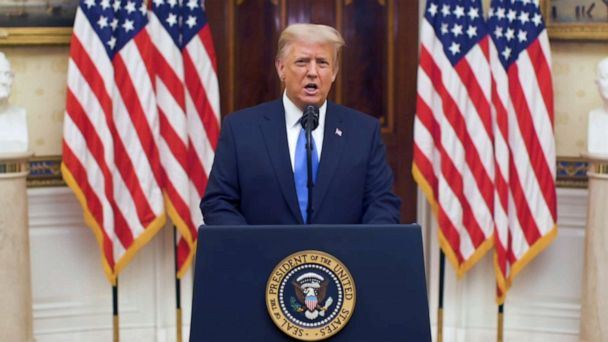
The sanctions announcement follows renewed debate in Washington over Nigeria’s security and religious freedom landscape. In October 2025, former U.S. President Donald Trump stated that Nigeria would again be placed on the U.S. State Department’s “Countries of Particular Concern” watchlist, citing alleged persecution of Christians.
Nigeria was previously designated as a Country of Particular Concern in 2020 during Trump’s first term, but the label was removed in 2021 by former President Joe Biden.
Separately, some U.S. lawmakers have recommended visa restrictions and asset freezes for certain Nigerian political figures and organisations, including former Kano State Governor Rabiu Kwankwaso and the Miyetti Allah Cattle Breeders Association of Nigeria.
Implications of the Sanctions
The designations mean that:
- All property and financial interests of the named individuals within U.S. jurisdiction are blocked.
- U.S. persons are generally prohibited from conducting transactions with them.
- Financial institutions worldwide must screen transactions to ensure compliance with OFAC regulations.
The inclusion of multiple Nigerians in both terrorism and cybercrime categories signals Washington’s sustained focus on disrupting extremist financing networks and transnational cyber operations.
The United States designated Boko Haram as a Foreign Terrorist Organization in 2013. According to the U.S. State Department, the group has been responsible for thousands of deaths across Nigeria and the Lake Chad Basin region since 2009.
Under U.S. law, countries determined to repeatedly provide support for acts of international terrorism may be designated under:
- Section 1754(c) of the National Defense Authorization Act for Fiscal Year 2019
- Section 40 of the Arms Export Control Act
- Section 620A of the Foreign Assistance Act of 1961
The latest OFAC update reinforces the U.S. government’s continued use of financial sanctions as a primary instrument of counterterrorism and cybercrime enforcement.

, as well as cybercrime-related offences.)