






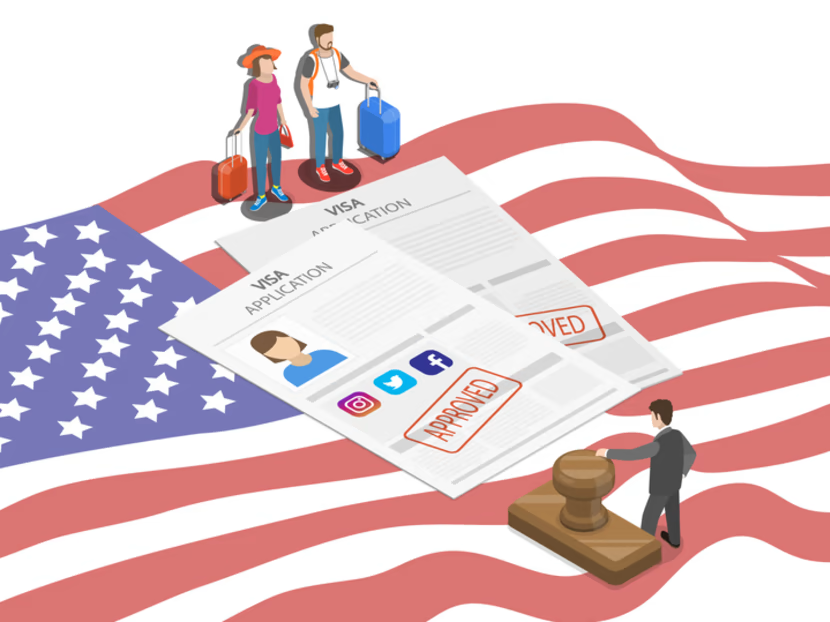
If you’ve ever applied for a U.S. visa, you know the process can feel like running a marathon with paperwork in hand. Now, with the U.S. introducing its five-year social media history requirement, the race just got more complicated. Nigerians hoping to study, work, or even visit the U.S. must now disclose all their social media usernames, handles, emails, and phone numbers used in the last five years.
This new rule has sparked confusion and worry: What if I deleted an account? Do I need to hand over my passwords? Will a controversial tweet from 2019 ruin my chances? To help clear the air, here are the most frequently asked questions (and their answers) about the new rule.
Frequently Asked Questions (FAQs) About the U.S. Five-Year Social Media Visa Rule
Do I need to provide my social media passwords?
No—absolutely not. The U.S. government isn’t asking for access to your accounts. They only want identifiers such as usernames, handles, email addresses, and phone numbers. In other words, they want to know who you were online, not log into your profiles.
Think of it as the difference between telling someone your Instagram handle versus giving them the keys to your account. The former is required; the latter is private and protected.
What if I deleted an account years ago?
Here’s the tricky part: if you remember the handle or username, you should list it, even if the account no longer exists. Deleting an account doesn’t erase the fact that it once belonged to you.
But if you genuinely don’t remember, don’t panic. Applicants aren’t expected to perform digital archaeology. Just be truthful—because omitting information intentionally could be treated as dishonesty, and that’s a bigger problem than forgetting an old profile.
What if I used multiple usernames on the same platform?
You’ll need to list every username you’ve used in the last five years. For example, if you had a personal Twitter handle and later created a professional one, both must be included.
It might feel tedious, but remember: consistency matters. A mismatch between your application and what consular officers find online could cause delays—or worse, denial.
Does this rule apply to all types of U.S. visas?
Yes. Whether you’re applying for:
- a student visa (F-1),
- a work visa (H-1B),
- a tourist visa (B-1/B-2), or
- even an immigrant visa,
…the five-year social media disclosure applies across the board. So whether you’re a Nigerian undergraduate chasing a master’s degree in Boston or a businessperson attending a conference in New York, the rule affects you.
How far back do I need to go?
The rule is clear: five years only.
For example:
- If you opened a Facebook account in 2010 but haven’t used it since 2016, you don’t need to list it.
- But if you posted, liked, or logged in any time in the last five years, it must go on your form.
It’s about activity within the last five years, not the entire lifespan of your online presence.
Can I make my profiles private before applying?
Yes—you’re free to adjust your privacy settings. But here’s the catch: privacy doesn’t equal invisibility. Even if your account is private, you still have to list the username. Consular officers don’t need full access to check if the account exists and to evaluate what they can. So don’t think switching everything to “private” means you can skip disclosure.
Will my posts or opinions affect my visa chances?
This is where many applicants feel nervous. The U.S. government says they’re primarily looking for red flags such as:
- links to terrorism or extremist groups
- content promoting violence or hate speech
- evidence of illegal activity
But let’s be honest: controversial posts, especially about politics or foreign policy, could also raise eyebrows. A fiery tweet from 2020 may not automatically disqualify you, but it could prompt further scrutiny. The safest approach? Be consistent, be truthful, and avoid anything that could look like a security risk.
What does this mean for Nigerians applying for U.S. visas?
For many Nigerians, social media isn’t just about entertainment. It’s where people build their personal brands, share business ventures, and connect with study or job opportunities abroad. The irony is that the same platforms boosting your career can now affect your visa prospects.
That’s why it’s important to prepare ahead:
- Make a list of your accounts.
- Review what’s public.
- Be ready to explain any changes or inactive profiles.
Final Word
The five-year social media visa rule may feel intrusive, but it’s part of the reality of today’s U.S. immigration system. Think of it as another layer in the already long process—like financial proof or interview questions. So, while it might seem daunting, it’s manageable. Gather your accounts, be honest, and remember: the goal isn’t to punish applicants for harmless posts—it’s to weed out security risks.
And if you’re still anxious? Just imagine the alternative: showing up at the embassy, fumbling when asked about your online life, and watching your visa slip away because of an account you “forgot” about. Better safe than sorry.