


KEY POINTS
- Unilever Nigeria Plc reported a profit after tax of ₦32 billion for the 2025 financial year, a 113% increase from the ₦15 billion recorded in 2024.
- The company’s turnover reached ₦214 billion, representing a 43% growth compared to the ₦150 billion achieved in the previous year.
- Gross profit surged by 62%, totaling ₦90 billion for the period ended December 31, 2025.
- Managing Director Tobi Adeniyi attributed the performance to a strategic focus on “power brands” and a “play-to-win” corporate culture.
MAIN STORY
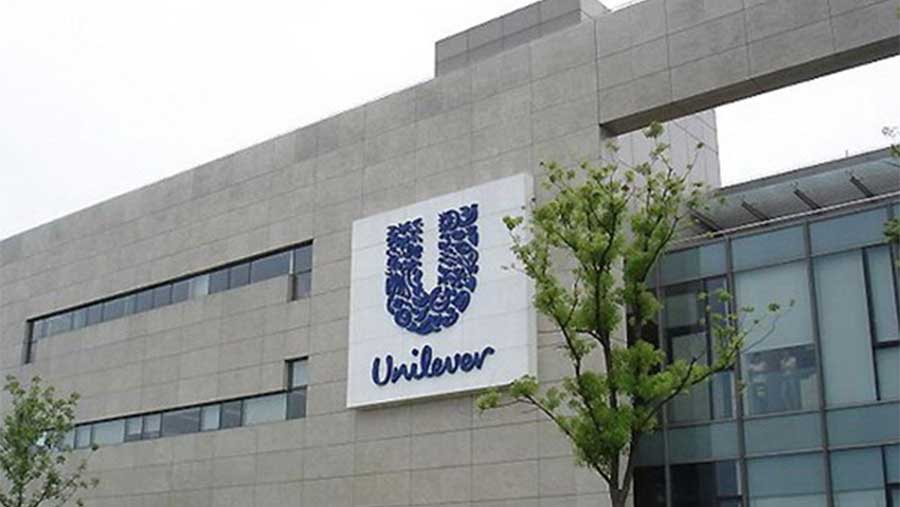
Unilever Nigeria Plc disclosed on Monday in its audited financial results that its annual profit more than doubled during the 2025 fiscal year. The company recorded ₦32 billion in profit after tax, a significant leap from the ₦15 billion reported in 2024.
This bottom-line growth was supported by a robust turnover of ₦214 billion, up from ₦150 billion. The firm also saw its gross profit increase to ₦90 billion, reflecting a 62% rise over the review period.
Managing Director Tobi Adeniyi stated that the strong performance was the result of a deliberate strategy to build a “sharper and faster” organisation. He explained that the company has focused its resources on its iconic power brands to leverage structural tailwinds across its various product categories.
Adeniyi noted that by embedding accountability and speed into its operations, Unilever Nigeria is now better positioned to serve the millions of Nigerian households that consume its products daily.
THE ISSUES
The primary driver behind Unilever’s 2025 success appears to be “Portfolio Optimization” and operational discipline. While many firms struggled with high inflationary pressures and volatile exchange rates in 2025, Unilever’s 62% increase in gross profit suggests an effective cost-management strategy and the ability to maintain margins across its essential consumer goods.
However, the 43% turnover growth also reflects the broader inflationary environment in Nigeria, where higher shelf prices contributed to increased revenue. For the company, the ongoing challenge will be maintaining this “future-ready” portfolio as consumer purchasing power remains under pressure from the energy-driven economic shocks of early 2026.
WHAT’S NEXT
- Shareholders are awaiting the dividend announcement following the doubling of the company’s profit after tax.
- The company is expected to roll out new innovations within its power brand portfolio to maintain market desirability at scale.
- Analysts will monitor Unilever’s Q1 2026 performance to see how the recent 34% spike in national gas and transport costs affects the company’s distribution expenses.
- Potential further operational simplification measures may be introduced to continue the trend of building a “future-ready” business model.
WHAT’S BEING SAID
- “Our strong full-year performance reflects a business that is sharper, faster, and built to win,” stated Tobi Adeniyi, Managing Director.
- “These iconic brands continue to anchor our growth and benefit from structural tailwinds,” Adeniyi added.
- “We have strengthened our ‘play-to-win’ culture, where excellence in innovation and execution is non-negotiable,” the Unilever MD noted in the report.
BOTTOM LINE
The Bottom Line is that Unilever Nigeria has successfully navigated the “Inflationary Wave” of 2025. By doubling its profit and significantly increasing its turnover, the company has demonstrated that a focused portfolio of household essentials can thrive even in a high-cost environment. The 2025 results provide a solid capital buffer as the firm enters the more volatile economic climate of 2026.