


Key points
- UN Secretary-General António Guterres calls for full implementation of the Declaration on the Rights of Indigenous Peoples.
- Indigenous Peoples highlighted as key custodians of biodiversity, climate action, and cultural heritage.
- Warning issued over worsening inequalities, poverty, and health challenges affecting Indigenous communities globally.
Main story
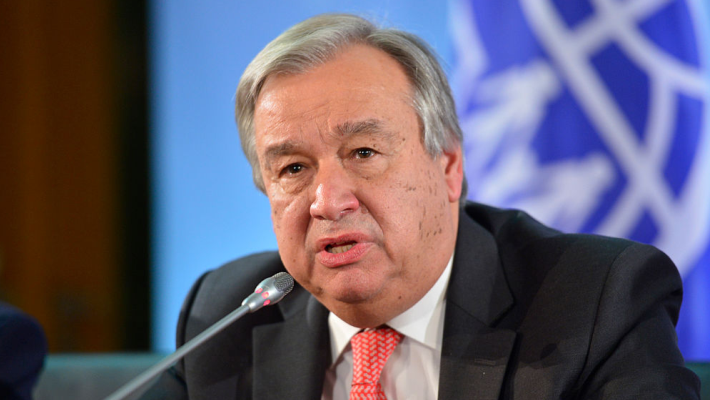
The United Nations Secretary-General, António Guterres, has called on Member States to fully honour their commitments under the Declaration on the Rights of Indigenous Peoples, stressing the urgent need to protect Indigenous communities and their rights worldwide.
Guterres made the appeal on Monday during the opening of the 25th session of the Permanent Forum on Indigenous Issues (UNPFII) at the UN headquarters in New York, where about 1,000 participants are gathered to deliberate on Indigenous rights and development.
He described Indigenous Peoples as “great guardians of nature,” highlighting their role as custodians of biodiversity and frontline contributors to global climate action.
“From the Amazon to Australia, and Africa to the Arctic, you are the great guardians of nature, a living library of biodiversity conservation, and champions of climate action,” he said.
The UN chief emphasised the need for governments and the UN system to ensure the full, meaningful, and direct participation of Indigenous Peoples in decision-making processes, backed by sustained financing.
He also called for urgent action to protect Indigenous leaders and human rights defenders, noting the increasing risks, violence, and displacement they face globally.
The issues
Discussions at the forum revealed persistent inequalities affecting Indigenous Peoples, who represent about six per cent of the global population but account for nearly 19 per cent of those living in extreme poverty.
Concerns were also raised about systemic discrimination, loss of ancestral lands, environmental degradation, and limited access to quality healthcare.
Speakers warned that Indigenous communities continue to experience shorter life expectancy, higher rates of chronic illness, and rising suicide rates, often linked to displacement, pollution, and climate change impacts.
What’s being said
Forum Chair, Aluki Kotierk, who was re-elected by acclamation, stressed that Indigenous health is deeply connected to land, culture, language, and spirituality.
“For Indigenous Peoples, health and well-being are more than just physical and mental health. It is interconnected with our culture, spirituality, languages, our lands and our environment,” she said.
UN General Assembly President Annalena Baerbock also warned that land loss, marginalisation, and inequality have led to higher rates of disease and mortality among Indigenous populations, with life expectancy gaps of up to 20 years in some regions.
She added that Indigenous women face particularly severe risks, including high maternal and infant mortality rates.
Baerbock described the situation as both a moral and development failure, noting that Indigenous well-being is central to achieving the Sustainable Development Goals (SDGs).
What’s next
The UNPFII session will continue deliberations on economic development, culture, environment, health, and human rights, with renewed calls for stronger global accountability mechanisms and inclusion of Indigenous voices in policy-making.
Bottom line
The UN has intensified calls for global action to protect Indigenous Peoples, warning that without urgent reforms and genuine inclusion, decades of progress on rights, health, and development could be undermined.