By Boluwatife Oshadiya
Key Points
- U.S. military operations in Iran cost $25 billion so far
- Majority of spending allocated to munitions
- Conflict began February 28, with fragile ceasefire in place
- Lawmakers push for transparency on war expenditure
Main Story
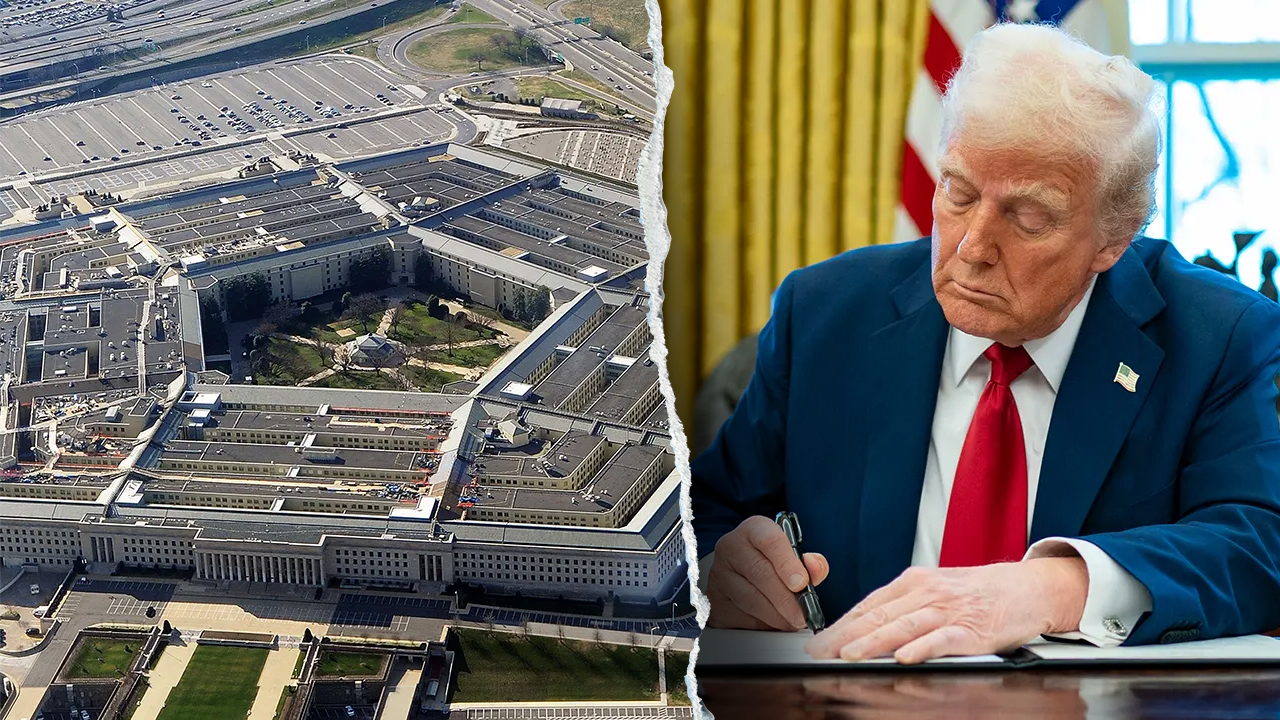
The United States has spent approximately $25 billion on its ongoing military operations in Iran, according to a senior Pentagon official, marking the first official estimate of the war’s total cost.
Jules Hurst, who is currently performing the duties of comptroller at the Department of Defense, disclosed the figure during testimony before the House Armed Services Committee. He noted that a significant portion of the expenditure was directed toward munitions.
However, Hurst did not clarify whether the estimate includes projected costs for rebuilding or repairing military infrastructure across the Middle East damaged during the conflict.
The disclosure comes amid growing scrutiny from U.S. lawmakers over the financial implications of the war. Representative Adam Smith, the ranking Democrat on the committee, welcomed the revelation, noting that legislators had repeatedly sought clarity on the cost of the conflict.
Earlier projections by the administration of President Donald Trump had estimated that the first six days of the war alone cost at least $11.3 billion, highlighting the rapid escalation in military spending.
The conflict began on February 28, when U.S. forces launched coordinated strikes against Iranian targets. Although a ceasefire is currently in place, tensions remain high, with both sides maintaining a significant military presence in the region.
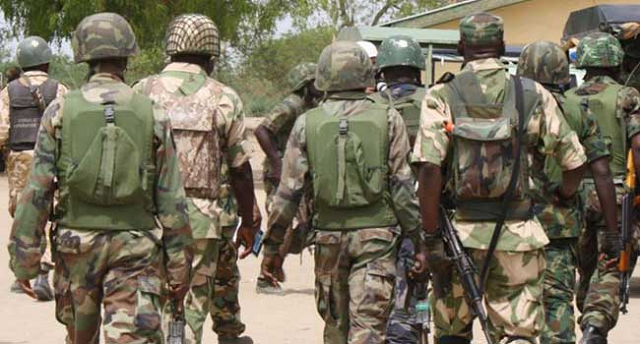
The Pentagon has since deployed tens of thousands of additional troops to the Middle East, including maintaining three aircraft carriers to reinforce its strategic position.
What’s Being Said
“I’m glad you answered that question. Because we’ve been asking for a hell of a long time, and no one’s given us the number,” Rep. Adam Smith said during the hearing.
Defence Secretary Pete Hegseth defended the expenditure, stating:
“What would you pay to ensure Iran does not get a nuclear bomb? What would you pay?”
What’s Next
With a fragile ceasefire holding, attention is expected to shift toward diplomatic negotiations and potential de-escalation. However, analysts warn that continued military presence and unresolved tensions could sustain elevated defence spending in the near term.