







Across history, societies that have thrived are those that understood a simple but powerful truth: the strength of a people is rooted in what sustains them. From the aftermath of the Black Death to the more recent disruptions caused by the COVID-19 pandemic, global crises have consistently exposed the fragile link between health, food systems, and economic stability.
For Africa, this connection is even more critical. As the continent with the world’s fastest-growing population, its future will largely depend on how effectively it nourishes its people and harnesses its vast agricultural potential. At the centre of this conversation is the growing scientific understanding of the gut-brain axis, a system that reveals how nutrition shapes not only physical health but also cognitive capacity, productivity, and societal progress.
In a continent richly endowed with arable land, human capital, and natural resources, the persistence of food insecurity and poor nutrition raises urgent questions about policy priorities and development strategy. Strengthening agriculture and improving food quality are no longer optional, they are foundational to building a resilient, innovative, and globally competitive Africa.
Against this backdrop, the following insights examine why a healthy gut and a robust agricultural sector are central to shaping Africa’s future.
1. Food quality directly determines human productivity
Food is more than sustenance, it is the primary source of human energy. The quality of nutrition consumed directly influences physical strength, mental alertness, and overall productivity.
A population sustained on nutrient-deficient diets cannot operate at optimal capacity. Poor nutrition leads to fatigue, reduced cognitive performance, and diminished economic output. Conversely, access to safe and nutritious food enables individuals to perform at their peak, thereby contributing meaningfully to national development.
2. The Gut-Brain axis shapes cognitive capacity and decision-making
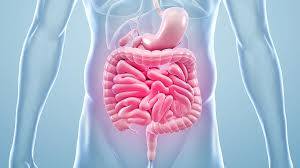
Scientific research highlights a profound connection between the gut and the brain. The gut-brain axis facilitates constant communication between these systems, influencing mood, behaviour, and cognitive function.
Gut microbes produce essential chemicals that affect brain performance and immune responses. When nutrition is poor, this balance is disrupted, impairing mental clarity, emotional stability, and decision-making.
3. Strong agriculture ensures food security for a growing population
Africa’s population is expanding rapidly, with projections indicating that one in four people globally will be African within the next few decades.
Without a strong and efficient agricultural system, this growth risks triggering food shortages, rising prices, and social instability, patterns historically observed during periods of crisis. A resilient agricultural sector is therefore essential to sustaining population growth and maintaining stability.
4. Agriculture is key to unlocking Africa’s youth potential
With over 60 per cent of its population under the age of 24, Africa possesses one of the largest youth populations in the world.
Agriculture presents a vast and largely untapped opportunity for employment across the value chain, from production and processing to logistics and export. However, without targeted investment, innovation, and incentives, this potential remains underutilised, leaving millions of young people unemployed or underemployed.
5. Healthy diets strengthen immunity and reduce disease burden
The gut plays a central role in regulating the immune system. Nutrient-rich diets support beneficial gut microbes, which help the body defend against infections and diseases.
In contrast, poor nutrition weakens immune responses, increases vulnerability to illness, and places additional strain on already fragile healthcare systems. Improving food quality is therefore critical to enhancing public health outcomes.
6. Agricultural development drives economic independence
Despite its vast natural resources, Africa remains heavily dependent on food imports, exposing economies to global price volatility and foreign exchange pressures.
By fully utilising its arable land and agricultural potential, the continent can reduce import dependence, stabilise domestic markets, and build more resilient and self-sufficient economies.
7. Nutrition and stability enable societal transformation
When populations are trapped in survival mode struggling to meet basic needs they are less able to think beyond immediate challenges.
Access to affordable, nutritious food fosters stability, enhances mental clarity, and encourages innovation. Historically, periods of stability following crises have often led to significant societal advancements. A well-nourished population is better equipped to identify problems, develop solutions, and drive sustainable progress.
The relationship between a healthy gut and a strong agricultural sector extends beyond biology, it is deeply economic, social, and strategic. By prioritising agricultural development and improving food quality, Africa can cultivate a healthier, more productive population capable of driving innovation and long-term growth.