Key points
- President Bola Tinubu signs ₦68.32 trillion 2026 Appropriation Bill into law.
- 2025 budget implementation extended from March 31 to June 30, 2026.
- Capital expenditure takes nearly 50% of budget, prioritising infrastructure and growth.
Main story
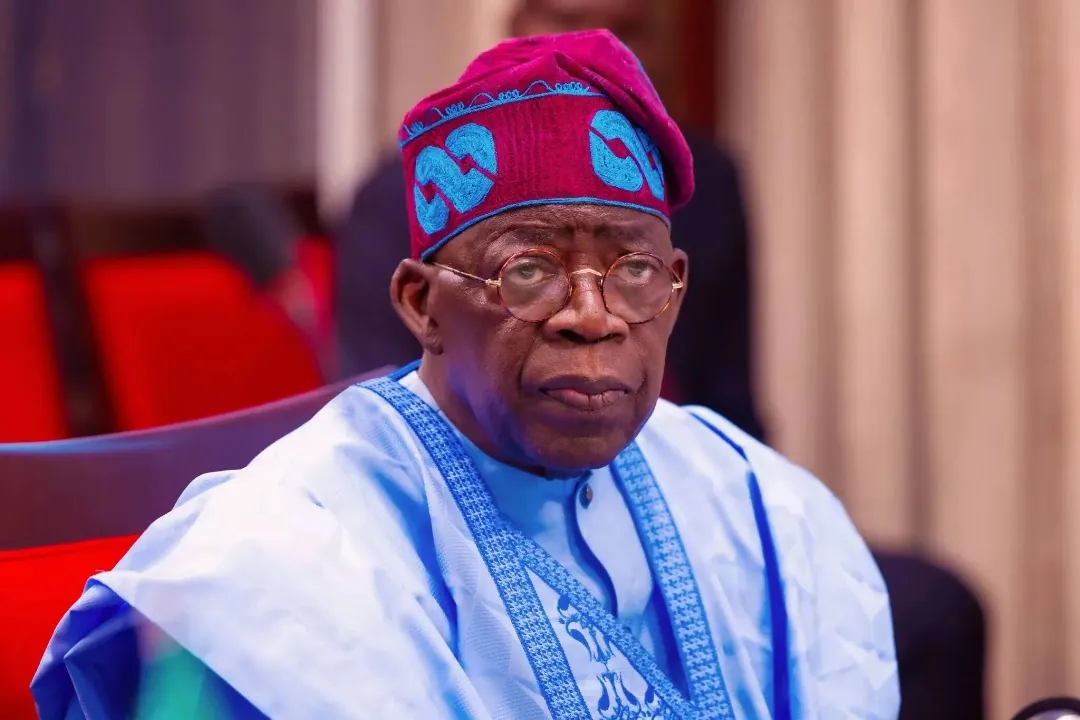
President Bola Ahmed Tinubu has signed the 2026 Appropriation Bill into law, approving a total expenditure of ₦68.32 trillion for the fiscal year. He also assented to legislation extending the implementation period of the 2025 budget from March 31, 2026, to June 30, 2026.
According to a statement issued by the Special Adviser to the President on Information and Strategy, Bayo Onanuga, the extension is aimed at ensuring the full utilisation of capital allocations and completion of ongoing development projects across the country.
The 2026 budget allocates ₦4.799 trillion for statutory transfers, ₦15.8 trillion for debt servicing, ₦15.4 trillion for recurrent expenditure, and ₦32.2 trillion for capital projects under the Development Fund. Capital expenditure accounts for about 50 per cent of the total budget.
The issues
Nigeria’s rising debt servicing obligations and the need for efficient budget implementation remain key fiscal challenges. The extension of the 2025 budget highlights concerns around project completion timelines and the capacity of Ministries, Departments, and Agencies (MDAs) to fully utilise allocated funds within stipulated periods.
What’s being said
The Presidency said the budget reflects a strategic balance between statutory obligations, debt servicing, recurrent spending, and capital investment aimed at boosting productivity and improving living standards.
Tinubu directed MDAs to ensure transparency, discipline, and efficiency in the use of public funds, stressing value for money and timely delivery of projects.
He also commended the National Assembly for its swift consideration and passage of the budget, while reaffirming the importance of collaboration between the executive and legislature in driving national development.
The President further pledged to deepen fiscal reforms, improve revenue generation, and prioritise investments that stimulate economic growth, create jobs, and strengthen social protection systems.
What’s next
With the 2026 Appropriation Act taking effect from April 1, federal ministries and agencies are expected to commence full budget implementation. Government will also monitor capital project execution, especially those carried over from the 2025 fiscal cycle, to ensure completion before the extended deadline.
Bottom line
The signing of the ₦68.32 trillion 2026 budget signals continuity in Nigeria’s fiscal reforms, with a strong emphasis on capital investment, infrastructure delivery, and economic stability amid ongoing debt and implementation challenges.