By Boluwatife Oshadiya, Economic Affairs Correspondent | May 29, 2026
Key Points
- Tinubu says Nigeria’s economy is gradually recovering after major fiscal reforms
- President blames past subsidy regime and forex distortions for economic instability
- Government highlights rising market capitalisation, infrastructure projects and investor confidence
Main Story
President Bola Tinubu says Nigeria’s economy has stabilised and is gradually returning to a path of recovery following sweeping reforms implemented by his administration over the past three years.
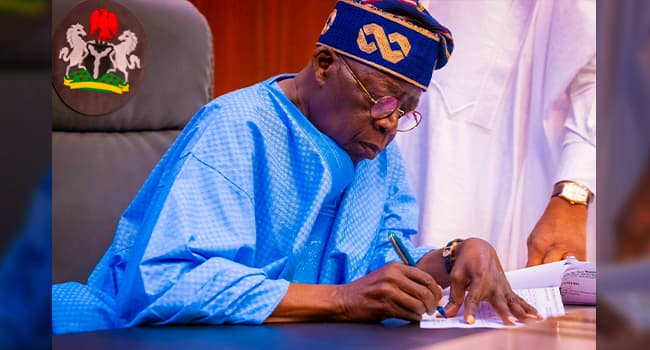
Speaking in a nationwide address on Friday to commemorate the third anniversary of his administration, Tinubu said the government inherited severe fiscal and structural challenges in 2023, including unsustainable fuel subsidies, exchange-rate distortions, rising debt-servicing costs and declining investor confidence.
The president said Nigeria previously spent as much as ₦18.4 billion daily on petrol subsidies, describing the arrangement as fiscally unsustainable and damaging to public finances.
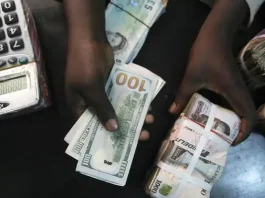
Tinubu also criticised the former multiple exchange-rate system, saying it encouraged speculative activities and rent-seeking practices that reportedly cost the country trillions of naira over several years.
The president defended his administration’s decision to remove fuel subsidies and unify the foreign exchange market, despite the economic hardship and inflationary pressures that followed the reforms.
According to him, the difficult measures were necessary to prevent deeper fiscal instability and reposition the economy for long-term growth.
Tinubu stated that the reforms were beginning to yield results, pointing to improvements in public revenue, rising investor confidence and increased activity in the Nigerian capital market.
He said the Nigerian stock market had recorded significant growth since 2023, with the All Share Index rising sharply alongside market capitalisation.
The president also highlighted ongoing infrastructure projects nationwide, including the Lagos-Calabar Coastal Highway, Sokoto-Badagry Super Highway, Abuja-Kaduna-Zaria-Kano Road and sections of the East-West Road currently under construction or rehabilitation.
Nigeria has faced persistent inflationary pressures since the removal of petrol subsidies and exchange-rate liberalisation in 2023. Food prices, transportation costs and electricity tariffs have increased significantly, placing pressure on households and businesses despite government assurances that reforms would produce long-term gains.
What’s Being Said
“Together, we chose reform over ruin and decisiveness over hesitation. We chose long-term national recovery over short-term comfort,” Tinubu said.
“The rising cost of living triggered by our measures placed enormous pressure on families, workers and businesses,” the president acknowledged.
“Today, I can say with confidence that Nigeria has stabilised and is moving forward again,” Tinubu declared.
What’s Next
- The Federal Government is expected to continue implementing fiscal and monetary reforms aimed at improving investor confidence and stabilising inflation
- Several major highway and rail modernisation projects are expected to progress into advanced construction phases over the coming months
- Economic analysts will closely monitor inflation trends, exchange-rate stability and foreign investment inflows as indicators of reform performance
Bottom Line
The Bottom Line: Tinubu’s administration is increasingly framing economic hardship as the unavoidable cost of structural reform. The success or failure of that argument will ultimately depend on whether ordinary Nigerians begin to experience measurable improvements in living standards and economic opportunity.