



Keypoints
- President Bola Tinubu has authorized a N3.3 trillion repayment plan to clear legacy debts accumulated in the power sector between 2015 and 2025.
- The intervention aims to resolve financial liabilities across the entire value chain, specifically targeting gas suppliers and generation companies (GenCos).
- 15 power generation companies have already signed settlement agreements totaling N2.3 trillion.
- The federal government has raised N501 billion for the initial phase, with N223 billion already disbursed to beneficiaries.
Main Story
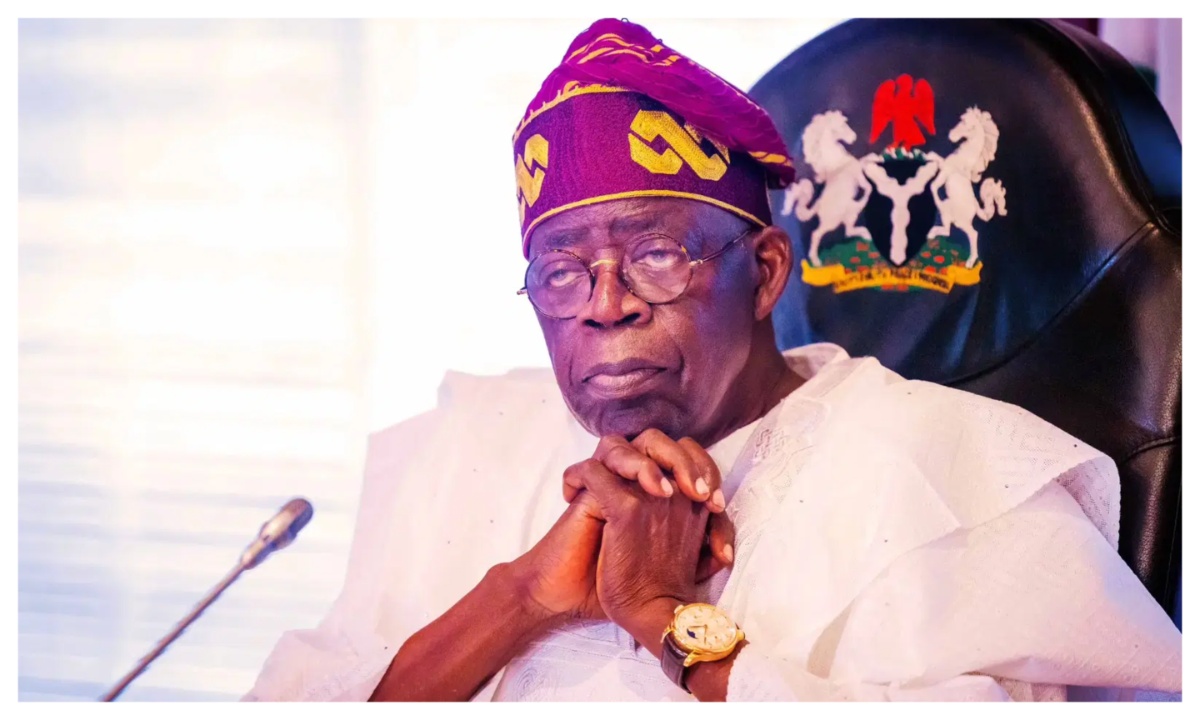
In a major move to stabilize the national grid, President Bola Tinubu has approved a N3.3 trillion financial settlement to clear outstanding debts that have plagued the power sector for over a decade.
According to a statement by Presidential Spokesperson Mr. Bayo Onanuga, the repayment plan follows a comprehensive review of liabilities incurred between February 2015 and March 2025. The presidency reported that this verified sum serves as a full and final settlement intended to restore transparency and credibility to the sector’s financial framework.
The Special Adviser to the President on Energy, Olu Arowolo-Verheijen, explained that the initiative is designed to do more than just pay off old bills; it is a strategic effort to inject liquidity into the system.
She detailed that by ensuring gas suppliers and GenCos are paid, power plants will be able to operate more efficiently and sustainably. The report highlighted that these reforms are part of a broader strategy that includes improved metering and the implementation of service-based tariffs, all aimed at ensuring that electricity supply quality matches the costs paid by consumers. It was further mentioned that the government is prioritizing supply to small businesses and industries to stimulate job creation.
The Issues
The primary challenge addressed by this reform is the chronic lack of liquidity that has historically prevented power plants from maintaining consistent operations. These “legacy debts” created a cycle of underfunding where gas suppliers refused to provide fuel to GenCos due to unpaid invoices, leading to frequent grid instability. Additionally, the presidency identified the need to restore investor confidence, as the decade-long debt overhang had deterred new capital from entering the Nigerian energy market.
What’s Being Said
- “This programme is not just about settling legacy debts; it is about restoring confidence across the power sector,” stated Olu Arowolo-Verheijen, Special Adviser to the President on Energy.
- Arowolo-Verheijen added that the goal is “more reliable power for homes, stronger support for businesses, and a system that works better for all Nigerians.”
- President Bola Tinubu commended stakeholders for their support in resolving these “longstanding issues” and advancing the ongoing reforms.
- Mr. Bayo Onanuga noted that the settlement would “boost investor confidence, attract new investments, and create jobs across the sector.”
What’s Next
- The government has confirmed that Series II, the next phase of the repayment programme, is scheduled to commence within the current quarter.
- Disbursal of the remaining portion of the N501 billion already raised will continue as more companies finalize their settlement agreements.
- Market observers will monitor whether this liquidity injection leads to a measurable decrease in national grid collapses and an increase in daily generation capacity.
Bottom Line
The N3.3 trillion settlement represents the most significant financial intervention in the Nigerian power sector to date, aimed at breaking the cycle of debt that has historically hindered the country’s industrial growth and domestic energy reliability.