





President Bola Tinubu has directed a comprehensive review of deductions and revenue retention practices by Nigeria’s major revenue-generating agencies, in a bid to improve public savings, enhance spending efficiency, and unlock resources for economic growth.
The directive, issued at Wednesday’s Federal Executive Council (FEC) meeting in Abuja, targets agencies including the Federal Inland Revenue Service (FIRS), Nigeria Customs Service (NCS), Nigerian Upstream Petroleum Regulatory Commission (NUPRC), Nigerian Maritime Administration and Safety Agency (NIMASA), and the Nigerian National Petroleum Company Limited (NNPC Ltd).
Minister of Finance and Coordinating Minister of the Economy, Wale Edun, told journalists after the meeting that the President specifically ordered a reassessment of NNPC’s 30 per cent management fee and 30 per cent frontier exploration deduction under the Petroleum Industry Act. The Economic Management Team, chaired by Edun, is to present actionable recommendations to FEC on the optimal path forward.
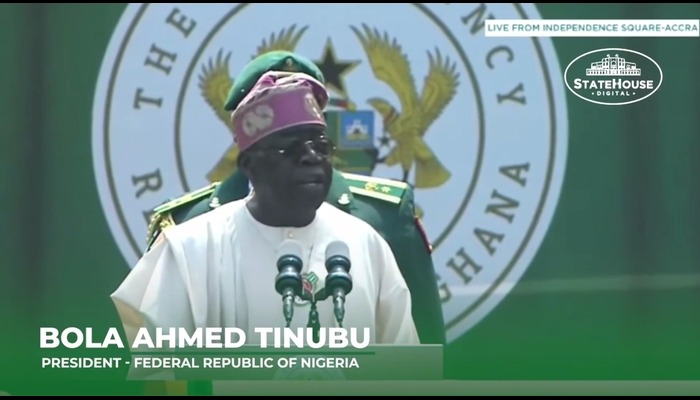
Tinubu said the move aligns with ongoing reforms aimed at dismantling economic distortions, restoring policy credibility, and bolstering investor confidence. He reaffirmed his administration’s commitment to achieving a $1 trillion economy by 2030, with a minimum annual growth rate of 7 per cent from 2027, describing the target as “not just economic, but a moral imperative” for lifting millions out of poverty.
Citing the July 2025 International Monetary Fund Article IV report, which endorsed Nigeria’s reform trajectory, the President stressed the importance of investment-led growth in critical sectors including infrastructure, oil and gas, health, and manufacturing.
He highlighted the Renewed Hope Ward Development Programme, a grassroots initiative covering all 8,809 wards nationwide, designed to empower economically active citizens through micro-level poverty reduction strategies in partnership with states, local governments, and the private sector.
On the fiscal outlook, Tinubu noted that public investment accounts for just five per cent of Gross Domestic Product due to low savings. He stressed the need to “optimise every available naira” amid global liquidity constraints. Edun added that macroeconomic indicators are improving, with a more stable exchange rate, moderating inflation, rising revenues, and debt-to-GDP ratios now within manageable levels.
The finance minister also disclosed that the Council approved two of his memoranda — a $125 million Islamic Development Bank loan for infrastructure projects in Abia State, covering 35 kilometres of roads in Umuahia and 126 kilometres in Aba, and a plan to refinance N4 trillion in outstanding electricity sector obligations. The electricity debt resolution will be implemented in phases, with the first phase expected within three to four weeks, coordinated by the Debt Management Office.
Tinubu urged governors to accelerate growth by prioritising productivity-enhancing investments, strengthening food security, and deepening collaboration with local governments to tackle poverty, ensuring no Nigerian is left behind.