KEY POINTS
- President Bola Tinubu as approves deployment of 65 ambassadors and high commissioners to various countries and international organisations.
- 31 non-career and 34 career diplomats are assigned to diplomatic missions worldwide.
- Foreign Affairs Ministry to commence induction programme pending host country approval.
MAIN STORY
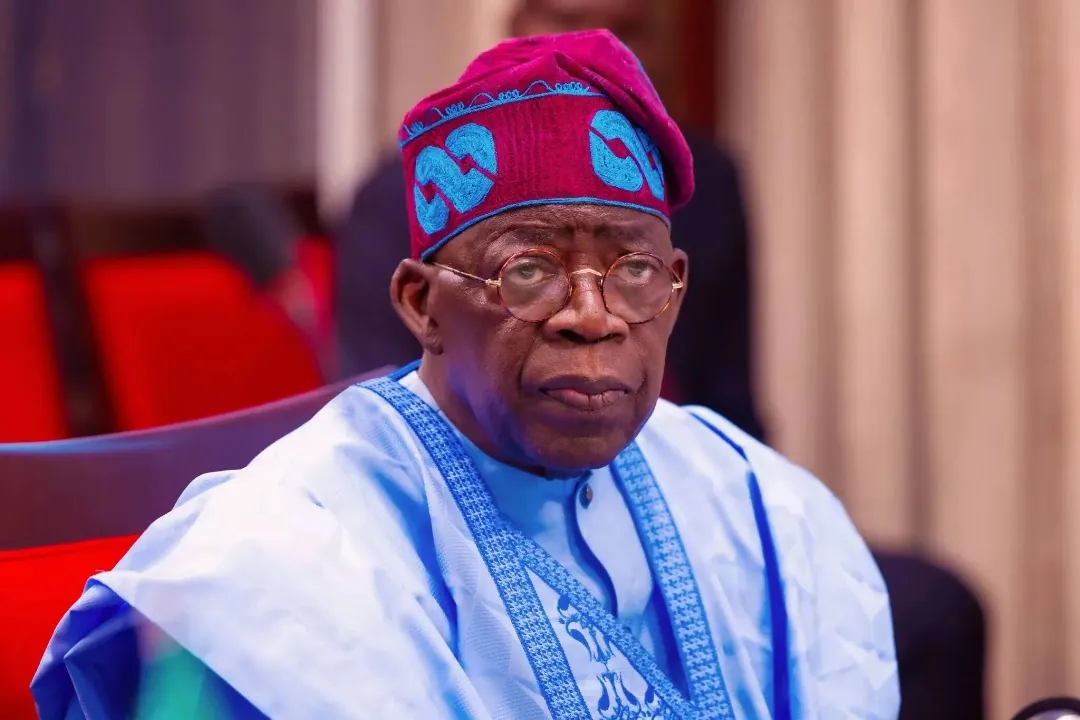
President Bola Ahmed Tinubu has approved the posting of 65 ambassadors-designate and high commissioners to Nigerian diplomatic missions across several countries and international organisations, including the United Nations.
The Special Adviser to the President on Information and Strategy, Bayo Onanuga, disclosed this on Friday, stating that the list comprises 31 non-career ambassadors and 34 career diplomats assigned to various duty posts.
According to Onanuga, the Nigerian Senate had confirmed all the nominees in December 2025 following their screening by the Senate Committee on Foreign Affairs.
He added that the Ministry of Foreign Affairs (Nigeria) has been directed to commence an induction programme for the envoys ahead of their formal deployment.
The diplomats are expected to assume their duties after receiving agrément, the formal approval required from their respective host countries.
THE ISSUES
The appointments form part of Nigeria’s efforts to strengthen its diplomatic presence and representation across strategic global locations.
Observers note that the mix of career diplomats and non-career appointees reflects the administration’s approach to combining professional diplomatic expertise with political and administrative experience.
The envoys are expected to promote Nigeria’s foreign policy objectives, enhance bilateral relations and attract investment to the country.
WHAT’S BEING SAID
Onanuga said the Ministry of Foreign Affairs had already received agrément from the United Kingdom for High Commissioner-designate Aminu Dalhatu and from France for Ambassador-designate Ayodele Oke.
He added that nominations for the remaining envoys have been formally communicated to their respective host countries and are currently awaiting approval.
Among the notable appointments are Jimoh Ibrahim as Nigeria’s Permanent Representative to the United Nations, Lateef Kayode Are to the United States, Femi Fani-Kayode to Germany, and Abdulrahman Bello Dambazau to China.
WHAT’S NEXT
Following the induction programme, the ambassadors-designate will proceed to their respective missions once agrément is granted by host governments.
Their postings are expected to strengthen Nigeria’s diplomatic engagements and advance strategic partnerships in trade, security, and international cooperation.
BOTTOM LINE
The deployment of 65 ambassadors and high commissioners signals Nigeria’s renewed effort to deepen diplomatic relations globally while advancing its foreign policy and economic interests.