






By Boluwatife Oshadiya, April 29, 2026
Key Points
- President Tinubu removes Saidu Mohammed as NMDPRA CEO
- Rabiu Umar nominated as new chief executive
- Appointment subject to Senate confirmation
- Move aimed at strengthening petroleum sector regulation
Main Story
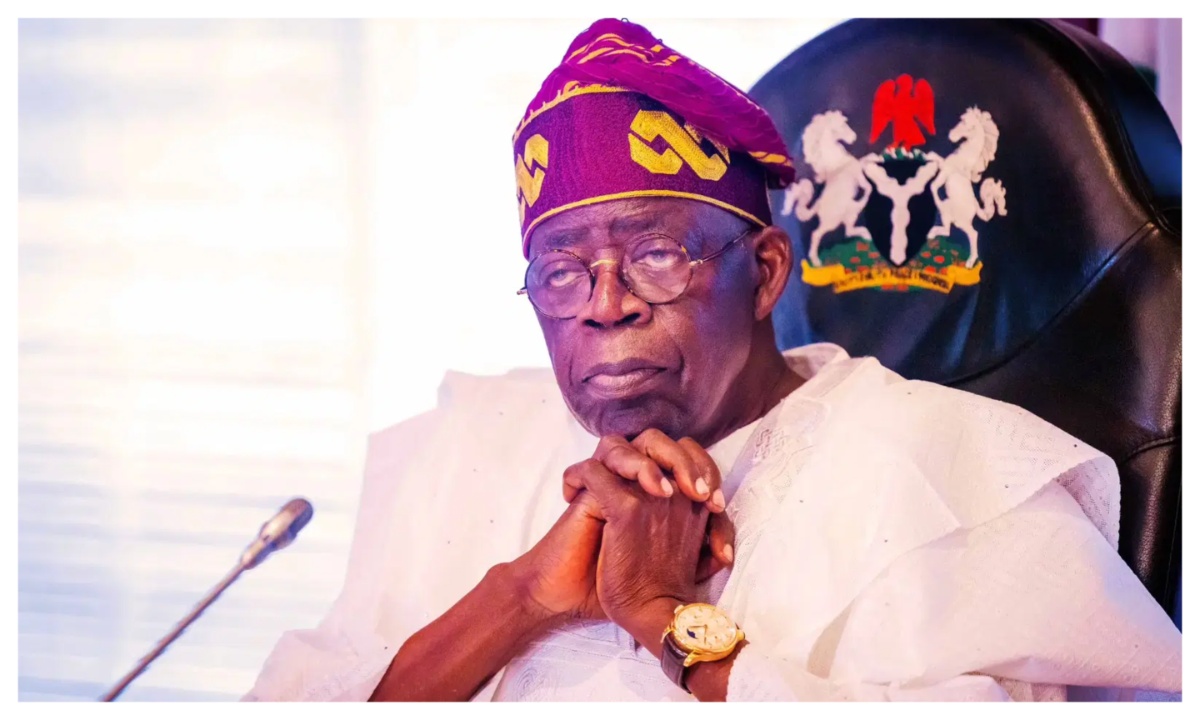
President Bola Ahmed Tinubu has approved the removal of Mr Saidu Mohammed as the Chief Executive of the Nigerian Midstream and Downstream Petroleum Regulatory Authority (NMDPRA), replacing him with Mr Rabiu Umar, pending Senate confirmation.
The decision was disclosed in an official statement issued by Presidential Spokesperson, Bayo Onanuga, in Abuja, citing provisions of the Petroleum Industry Act (PIA) 2021.
According to the Presidency, the leadership change is part of broader efforts to enhance regulatory efficiency and strengthen governance within Nigeria’s midstream and downstream petroleum sectors.
Rabiu Umar, the nominee, brings over 25 years of experience spanning the energy, manufacturing, and infrastructure sectors. He is recognised for his expertise in strategic leadership, operational transformation, and execution of large-scale industrial projects.
He holds a degree in Accounting from Bayero University and has completed executive training at Harvard Business School.
Pending Senate confirmation, the most senior official within the NMDPRA will assume leadership in an acting capacity to ensure continuity of operations.
What’s Being Said
The Presidency stated that the appointment aligns with the administration’s Renewed Hope Agenda, particularly in driving energy sector reforms and improving regulatory performance.
President Tinubu commended the outgoing chief executive for his service and contributions to the sector, wishing him success in future endeavours.
What’s Next
The Senate is expected to review Umar’s nomination in the coming weeks. If confirmed, he will assume full leadership of the NMDPRA at a critical time for Nigeria’s oil and gas sector, amid ongoing reforms under the Petroleum Industry Act.
Industry stakeholders will be closely monitoring the transition for signals on regulatory direction, fuel market stability, and investment climate improvements.