Hello, my fellow Risk-Managers, Tightrope-Walkers, and Exhausted Citizens. Welcome back to our weekly sanctuary. Today is Thursday, June 4, 2026. If you spent your morning staring at a grocery receipt like it was a forensic crime scene, or if you logged onto social media only to be hit by a wave of collective anger, panic, and deep exhaustion, pull up a plastic chair. You are in the safest room on the internet.
Today, we are addressing the literal pressure cooker that is the modern Nigerian experience. We aren’t compartmentalizing our struggles anymore. If you check X, Instagram, or Facebook this week, nobody is talking about things in isolation. The timeline has completely fused our realities: The bitter inflation, the terrifying insecurity, and the soaring cost of merely existing have combined into one giant, heavy weight.
Let’s look at this combined storm with deep empathy, a bit of raw honesty, and the community solidarity we need to survive it.
There was a time when inflation was just an abstract economic term we blamed on global supply chains. In June 2026, inflation has a face, and it’s staring at us from the dashboard of every transport vehicle.
Following the persistent global energy ripples, the domestic pump price of petrol has crossed an average of N1,360 per litre. Think about what that means for a second. The National Bureau of Statistics recently pointed out that the average intercity bus fare has climbed past N9,607 per passenger.
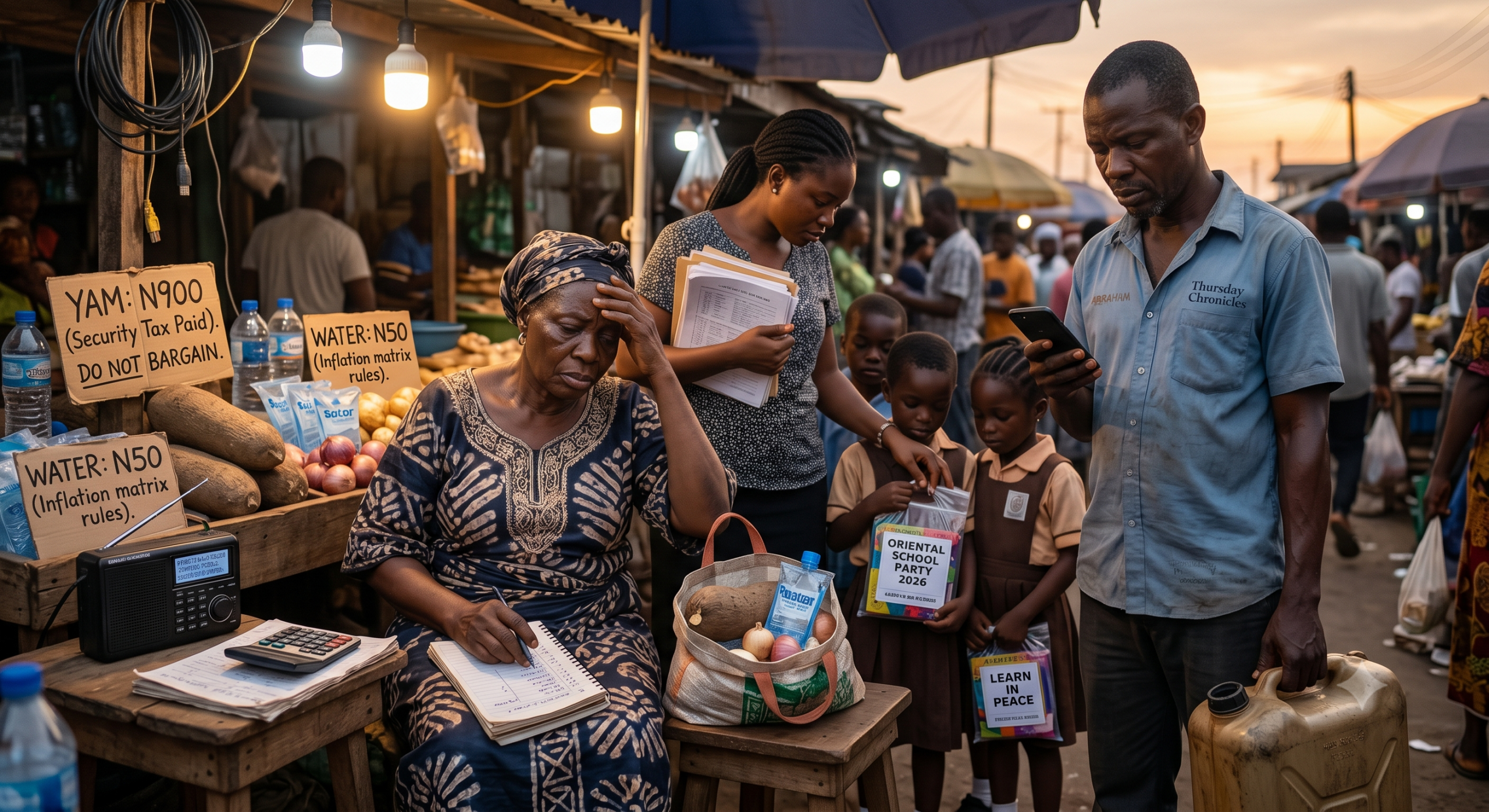
But this isn’t just a “commuter problem.” This is where the hard economy marries insecurity in a very toxic union. The trucks bringing tomatoes from the North or plantains from the West aren’t just paying for N1,360 petrol; they are navigating highway gauntlets where safety is completely un-guaranteed. Every active hotspot, every highway threat, and every detour taken to avoid criminal syndicates adds a invisible “security premium” to the food. By the time a single tuber of yam reaches the local market square, it carries the cost of fuel, the cost of transport, and the literal cost of surviving the road. The mathematical reality is simple: We aren’t just paying for the food; we are paying for the danger it took to harvest and transport it.
The anger on the timeline this week isn’t just about empty pockets; it’s about a profound sense of violation. Following the horrific school invasions in Oyo State and neighboring regions, the conversation online has shifted from general worry to deep, protective rage.
We saw teachers’ unions, civil society groups, and everyday parents taking to the streets and social media to voice their frustration. When schools in several local governments are forced to shut down just to keep children safe, the economic burden takes a psychological toll.
“I am working two jobs to pay a school fee that increases every term due to inflation, yet I have to spend my workday praying that the school gate doesn’t become a frontline.”
This is the emotional core of the current anger. The social contract feels stretched to its absolute limit. It is one thing to look at a restaurant menu and decide a steak is too expensive; it is an entirely different, heartbreaking reality to look at a school calendar and calculate if the environment is secure enough for your child to learn their ABCs.
How are Nigerians coping with this dual onslaught of hard economics and security anxiety? We have collectively become the smartest, most analytical populace on earth.
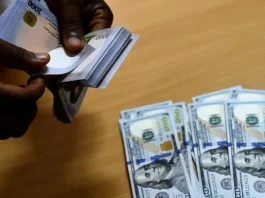
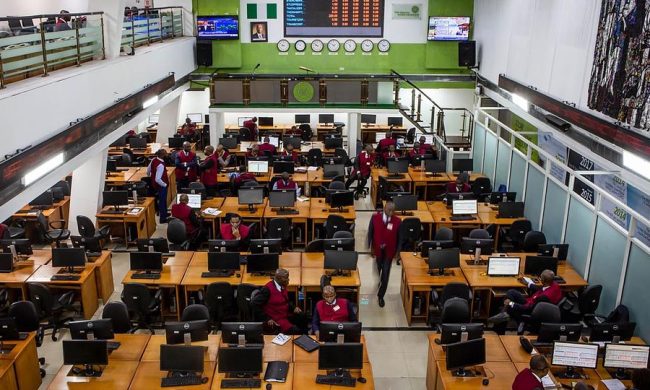
If you scroll through your feeds right now, the humor is sharp but defensive. Everyday citizens have become accidental fund managers. People are aggressively debating CBN Treasury Bill yields and the Debt Management Office’s latest FGN Savings Bond offers at 14.777% just to find a way to shield their meager savings from being entirely eaten by the inflation matrix.
We are seeing the rise of “survival geometry”—people using private WhatsApp and Telegram channels to form hyper-local bulk-buying syndicates. Neighbors are split-funding single bags of rice and sharing transport costs to avoid middleman markups. We are hurting, and the anger is incredibly valid, but we refuse to let the chaos paralyze our ingenuity.
In behavioral science, what the country is collectively experiencing right now is called Systemic Burnout. When a populace is forced to simultaneously run a financial audit on their grocery list and a security risk-assessment on their daily commute, the brain remains in a constant state of fight-or-flight.
The anger circulating on our timelines isn’t “toxic negativity”—it is a completely normal, healthy human response to an unsustainable level of pressure. Acknowledging this pain isn’t weakness; it is the first step toward collective resilience.
Key Take-Home Points for the Modern Citizen
Communalized Spending is Mandatory: If you are still trying to navigate this inflated economy as an isolated island, you are overpaying. Pool resources with trusted friends, family, or neighbors for food logistics and transport.
Practice “Digital Concealment”: In times of heightened economic tension and opportunistic insecurity, lower your digital profile. Do not advertise financial breakthroughs, high-end purchases, or real-time travel routes on open social media pages.
Verify Before You Forward: In periods of high anxiety, the timeline becomes flooded with old security videos rebranded as fresh events, or fake financial panic. Protect your mental health by verifying news before you hit share.
Demand Localized Solutions: Whether it’s supporting the neighborhood estate security association or advocating for transparent community policing, security in 2026 is fundamentally local.
Lessons to Carry into the Weekend
Give Yourself Grace: If you look at your savings account and feel a sense of panic, remember that you are navigating an unprecedented global and domestic economic storm. Survival is a massive win.
Keep the Empathy Tank Full: Everyone around you is carrying a hidden layer of stress. Your driver, your gatekeeper, your colleague—be gentle with your words. A little kindness is the only thing not affected by transport costs.
Invest in “Portability”: Focus on building digital skills or assets that are independent of physical infrastructure. In a volatile environment, what you carry in your mind is your most secure asset.
Refuse to Normalize the Chaos: Cry if you must, vent on the timeline if you need the release, but never let the current reality become your definition of “normal.” Keep holding onto the expectation of a better, safer, and fairer land.
As we close this heavy but necessary edition of the Chronicles, take a deep breath. The geometry of our current existence is incredibly difficult, and the math is refusing to math. But remember: your character, your brilliance, and your capacity to look out for your neighbor are the ultimate currencies that no market fluctuation can devalue.
See you next Thursday, hopefully with a cooler timeline, friendlier transport fares, and a breeze of true safety blowing through our communities.