





Main story
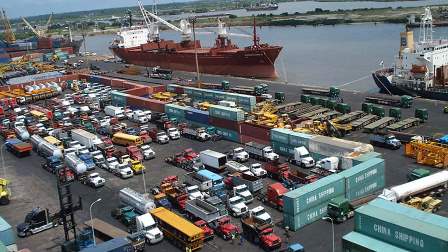
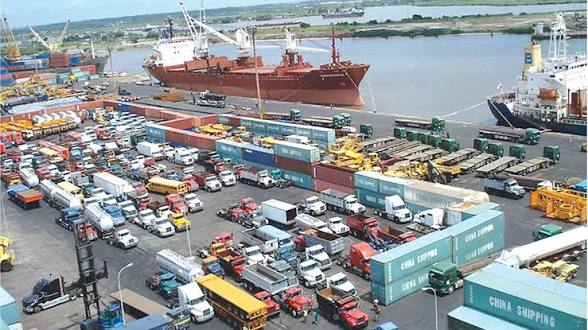
Terminal operators at the Lagos ports may be required to temporarily adjust or cede portions of their operational space as the Federal Government commences large-scale reconstruction and modernisation projects aimed at upgrading critical port infrastructure.
An industry investigation by Shipping Position Daily, indicates that the Lagos port rehabilitation programme, estimated to cost over $1 billion, will be executed alongside ongoing cargo operations, meaning construction activities will take place within active terminal environments rather than through full port shutdowns.
This approach is expected to trigger logistical adjustments, including possible reorganisation of yard space, relocation of stacking areas, and restricted access to sections of terminals as contractors carry out major civil works.
Stakeholders familiar with the development say such arrangements are common in brownfield port redevelopment projects, where upgrades must be implemented without halting commercial operations.
The reconstruction is part of broader reforms aimed at improving cargo handling efficiency, reducing congestion, enhancing vessel turnaround time, and strengthening Nigeria’s competitiveness in regional maritime trade.
However, concerns are emerging within the industry over the operational implications for terminal operators, who may have to work within reduced space and manage increased congestion during the transition period.
Despite these concerns, some operators say they have yet to receive formal communication on the extent of any operational adjustments.
The Group Head of Corporate Communications at SIFAX Group, Muyiwa Akande, said the company had not received any official memo regarding changes to operational space linked to the modernisation project.
“For now, we have not been informed. No memo has been sent to that effect. So we will continue to carry out our operations as usual,” he said.
Similarly, the General Manager of PTML Terminal, Tunde Keshinro, declined detailed comment but indicated that current operations were not expected to be affected at this stage.
The issues
- Nigeria’s Lagos ports have long suffered from congestion, ageing infrastructure, and inefficient cargo evacuation systems, making them a priority for government-led modernisation.
- However, upgrading active ports presents a structural challenge: reconstruction must occur in already congested environments where cargo handling cannot stop.
- This creates a delicate balance between maintaining trade flow and executing major infrastructure upgrades.
Key concerns raised by stakeholders include:
- Reduced operational yard space during construction phases
- Potential delays in cargo clearance and vessel turnaround
- Increased coordination demands between operators and government agencies
- Risk of congestion spillover within already strained port access routes
Industry observers note that while such disruptions are temporary, their impact could be significant if not carefully managed.
What’s being said
Stakeholders familiar with the project say temporary operational adjustments are standard practice in live port redevelopment globally, especially in brownfield environments where ports cannot be closed.
They argue that although terminal operators may face short-term constraints, the long-term benefits of improved efficiency, deeper berths, and modernised cargo systems outweigh the disruptions.
Some operators, however, stress the importance of early communication and coordination to prevent operational uncertainty.
They note that lack of formal notice could complicate planning, especially in areas such as yard allocation, equipment deployment, and cargo scheduling.
What’s next
The Federal Government is expected to continue consultations with terminal operators and relevant maritime agencies as the modernisation project advances.
Phased implementation is anticipated, with construction activities likely structured to minimise disruption while ensuring continuity of cargo operations.
Attention is also expected to shift toward broader port reforms, including possible development focus on eastern ports such as Warri and Port Harcourt to ease pressure on Lagos facilities.
Further updates on operational guidelines, timelines, and stakeholder coordination are expected as implementation progresses.
Bottom line
The Lagos port modernisation programme marks a major infrastructure push aimed at repositioning Nigeria’s maritime sector, but it comes with short-term operational trade-offs for terminal operators. While temporary space adjustments and logistical disruptions appear inevitable, the success of the project will depend on how effectively authorities manage communication, coordination, and continuity of trade during the transition period.