





Football has always lived with argument. A foul, handball, offside, or red card can change the game. For years, referees had to make these calls very fast, with only one look. That created drama, but it also created mistakes. VAR came in to reduce the biggest errors, not to remove debate from the sport.
Under the Laws of the Game, VAR is used only for four match-changing areas: goal or no goal, penalty or no penalty, direct red cards, and mistaken identity. The system is meant to step in only for a “clear and obvious error” or a “serious missed incident.”
Why VAR Changed the Mood of Matches
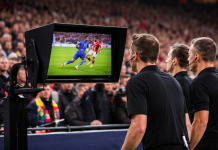
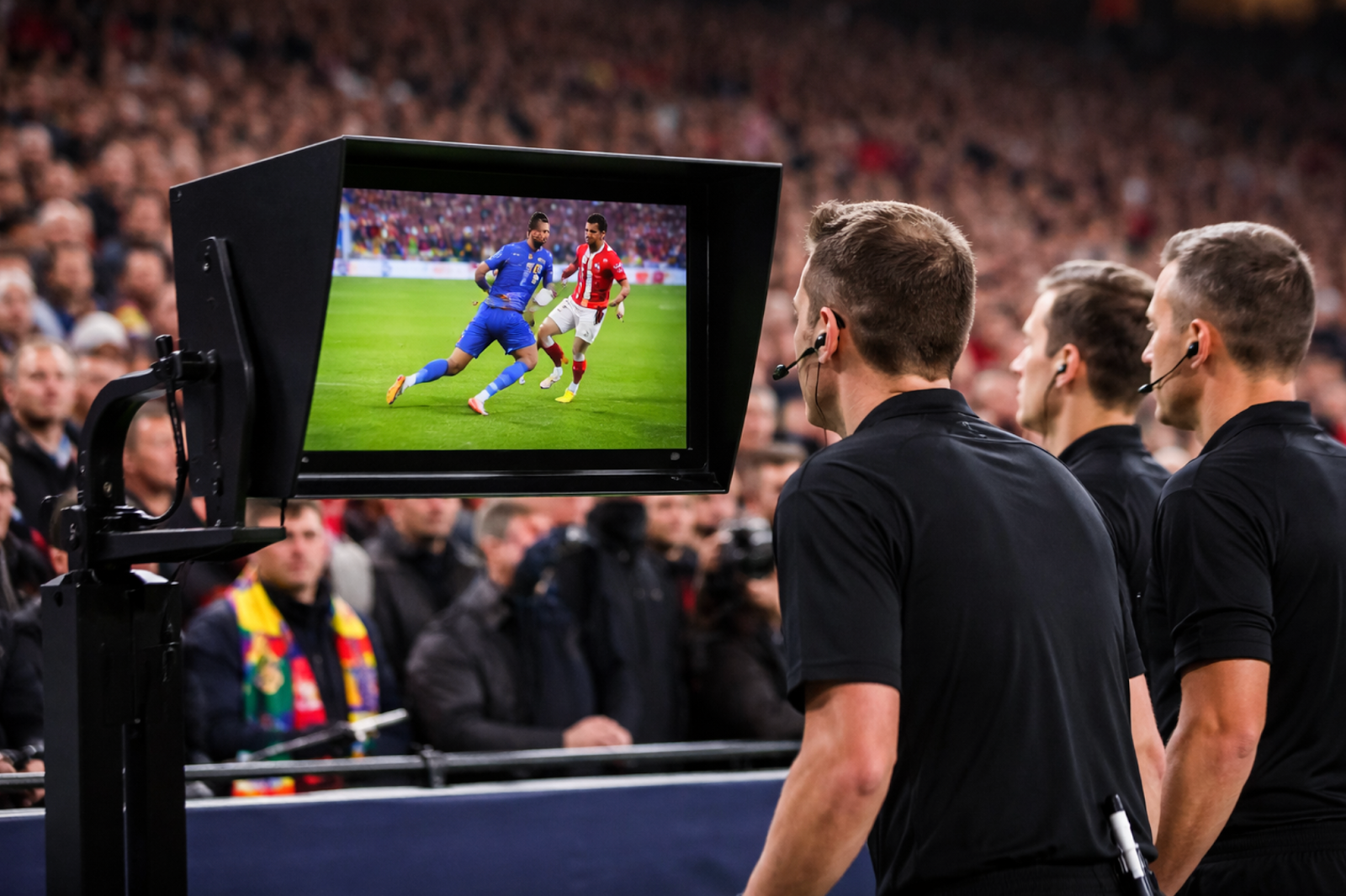
Before video review, a bad decision often became part of football folklore. People complained, then moved on. Now the process is different. A match can pause. Players wait. Fans stare at the screen. The referee touches the earpiece or walks to the monitor. At that moment, everyone feels that the result might shift at bet mocambique.
That pause changed the emotional rhythm of football. A goal is no longer always a simple goal. Many fans now celebrate, then stop, then wait for the check. This is one of the biggest cultural effects of VAR. It added a layer of caution to moments that used to feel immediate.
What VAR Is Supposed to Do
VAR is not there to re-referee every touch or every collision. Many people get this wrong. The system is only for big incidents and clear mistakes. The on-field referee still makes the final decision, even after a review. In many cases, the referee can also go to the review area to look at the footage directly.
That sounds simple in theory. In practice, it is harder. Football has many grey areas. One referee may see enough contact for a penalty. Another may not. One angle may look clear. Another may create doubt. Technology gives more information, but it does not always give one a perfect answer.
The Four Main Review Areas
The four review categories matter because they shape expectations. All goals are automatically checked. Penalty incidents can be checked too, whether one was given or missed. Direct red card incidents can be reviewed, and VAR can also fix mistaken identity if the wrong player is punished. This means VAR has a strong effect on match results. A goal can disappear. A penalty can appear late. A red card can change the final half hour.
The Referee Still Holds the Power
A lot of fans talk as if VAR makes the decision by itself. That is not how VAR works. VAR gives advice, but the referee makes the final decision. This matters because people often blame both the referee and VAR. Fans blame the technology, but they also blame the human judgment behind it. VAR did not remove subjectivity. It only gave officials more tools.
How Match Results Can Change
The impact on results is obvious. A tight game can turn on one review. A late equalizer can be ruled out for offside in the buildup. A missed handball can become a penalty after the screen check. A dangerous tackle can become a red card after replay. This matters more in close matches than open ones. In a 4–0 game, one call may not define the result. In a 1–0 game, one call can decide everything. That is why controversial reviews feel so intense. Fans know they are not arguing over a detail. They are arguing over the whole direction of the match.
Slow Motion Can Make Things Look Worse
Replay helps, but it can also be wrong. A challenge shown in slow motion may look more violent than it felt at full speed. A tiny touch can look heavy. A natural movement can look suspicious. That is why the speed and angle of replay matter so much. This is one reason controversial moments never fully go away. The camera does not simply reveal the truth. It frames it. And different frames can lead to different feelings.
“Clear and Obvious” Is Still a Judgment Call
The phrase “clear and obvious” sounds firm, but it still depends on human interpretation. The Premier League has even stressed a high bar for intervention on subjective decisions, with the referee’s call meant to stand unless the error is clear from the evidence. That is where many arguments begin. Fans may ask, “If the video had to be watched five times, was it really obvious?” Others may say the error was visible right away. The same footage can create two opposite reactions.