

KEY POINTS
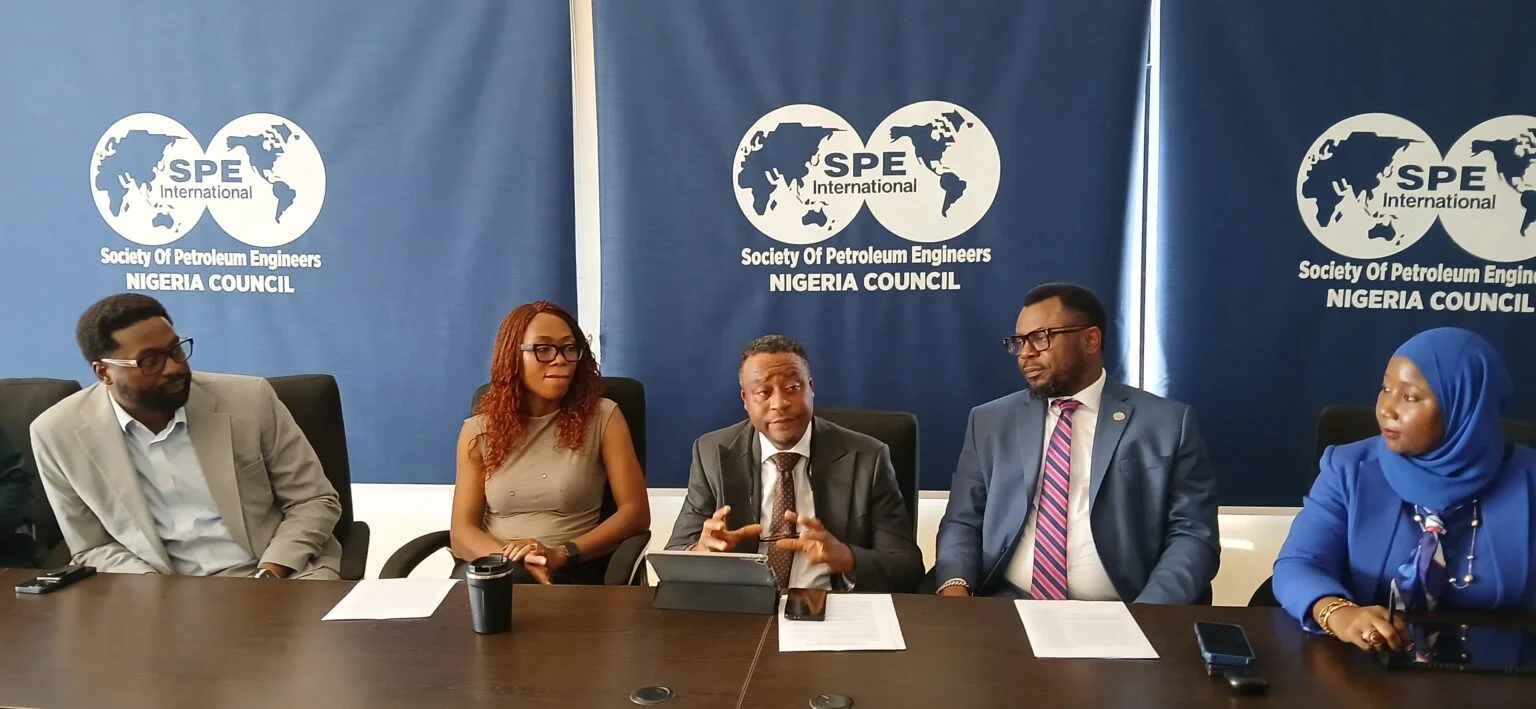
- SPE Nigeria Council Chairman, Mr. Francis Nwaochei, has called for strategic coordination and disciplined execution to reposition Nigeria as a dominant force in the global oil market.
- The 2026 Oloibiri Lecture Series and Energy Forum (OLEF) will hold on April 9 in Abuja, focusing on moving Nigeria’s production from aspiration to implementation.
- Nwaochei noted that while global instability creates vulnerabilities, it also presents a unique opportunity for resource-rich nations like Nigeria to lead through intelligent operations.
- The council emphasized that exceeding the three-million-barrel-per-day target is achievable only through innovation, disciplined capital deployment, and smarter institutional coordination.
MAIN STORY
The Chairman of the Society of Petroleum Engineers (SPE) Nigeria Council, Mr. Francis Nwaochei, has underscored the urgent need for structural alignment to achieve Nigeria’s ambitious oil production goals. Speaking ahead of the 2026 Oloibiri Lecture Series and Energy Forum (OLEF), Nwaochei argued that “easy production is no longer an option.” He maintained that hitting the three-million-barrels-per-day mark is fundamental to Nigeria’s fiscal stability, foreign exchange management, and global credibility.
The upcoming forum, themed around harmonizing digitalization and policy frameworks, aims to provide a “working forum” rather than a ceremonial conference. Nwaochei highlighted that the current geopolitical climate and supply chain disruptions have exposed energy vulnerabilities worldwide, offering Nigeria a strategic window to assert leadership. However, he cautioned that this potential would only be realized if the industry overcomes slow approval processes, overlapping mandates, and unclear fiscal terms that currently deter vital capital.
A significant focus of OLEF 2026 will be the “three pillars” of financing, policy alignment, and asset optimization. Nwaochei specifically pointed toward unlocking value from idle wellbores and strengthening indigenous operators through technology partnerships. He also noted the transformative impact of the downstream segment, led by the Dangote Refinery and modular refineries, which are expected to reshape domestic fuel supply and pricing structures if supported by critical investments in pipelines and storage.
WHAT’S BEING SAID
- “Global instability underscores the importance of disciplined planning in our petroleum industry. But it also presents Nigeria with a unique opportunity to lead,” stated Mr. Francis Nwaochei, Chairman of SPE Nigeria Council.
- On the necessity of reform: “When approval processes are slow or mandates overlap, investment momentum weakens. Unclear fiscal terms deter capital.”
- Regarding the forum’s objective: “OLEF 2026 is structured as a working forum designed to produce concrete recommendations capable of shaping regulatory reviews, investment strategies and national planning.“
WHAT’S NEXT
- The 2026 Oloibiri Lecture Series and Energy Forum (OLEF) is scheduled to take place on April 9 at the PTDF Tower in Abuja.
- Stakeholders expect the forum to address the implementation of Nigeria’s petroleum industry framework and fiscal stability to boost investor confidence.
- Industry analysts will be looking for concrete recommendations from the forum regarding the optimization of idle wellbores and improved financing for indigenous operators.
BOTTOM LINE
The Bottom Line is that Nigeria’s path to three million barrels requires a shift from aspiration to intelligent implementation. SPE Nigeria insists that balancing digital innovation with transparent policy and disciplined execution is the only way to ensure a competitive and resilient energy future.






%20Nigeria%20Council,%20Mr.%20Francis%20Nwaochei,%20has%20underscored%20the%20urgent%20need%20for%20structural%20alignment%20to%20achieve%20Nigeria's%20ambitious%20oil%20production%20goals.%20Speaking%20ahead%20of%20the%202026%20Oloibiri%20Lecture%20Series%20and%20Energy%20Forum%20(OLEF),%20Nwaochei%20argued%20that%20"easy%20production%20is%20no%20longer%20an%20option."%20He%20maintained%20that%20hitting%20the%20three-million-barrels-per-day%20mark%20is%20fundamental%20to%20Nigeria's%20fiscal%20stability,%20foreign%20exchange%20management,%20and%20global%20credibility.)