Key points
- BloombergNEF’s New Energy Outlook 2026 reports that solar will become the world’s largest source of electricity by 2032.
- Global electricity demand is projected to rise 29% by 2035 and 69% by 2050, driven by electrification, population growth, and data centers.
- Data center power consumption alone is expected to more than double globally to 1,114 terawatt-hours.
- Battery storage capacity is projected to expand 17-fold, growing from 223 gigawatts in 2025 to 3.8 terawatts by 2035.
- The report finds that electricity will meet two-thirds of all new energy demand over the next 24 years.
Main Story
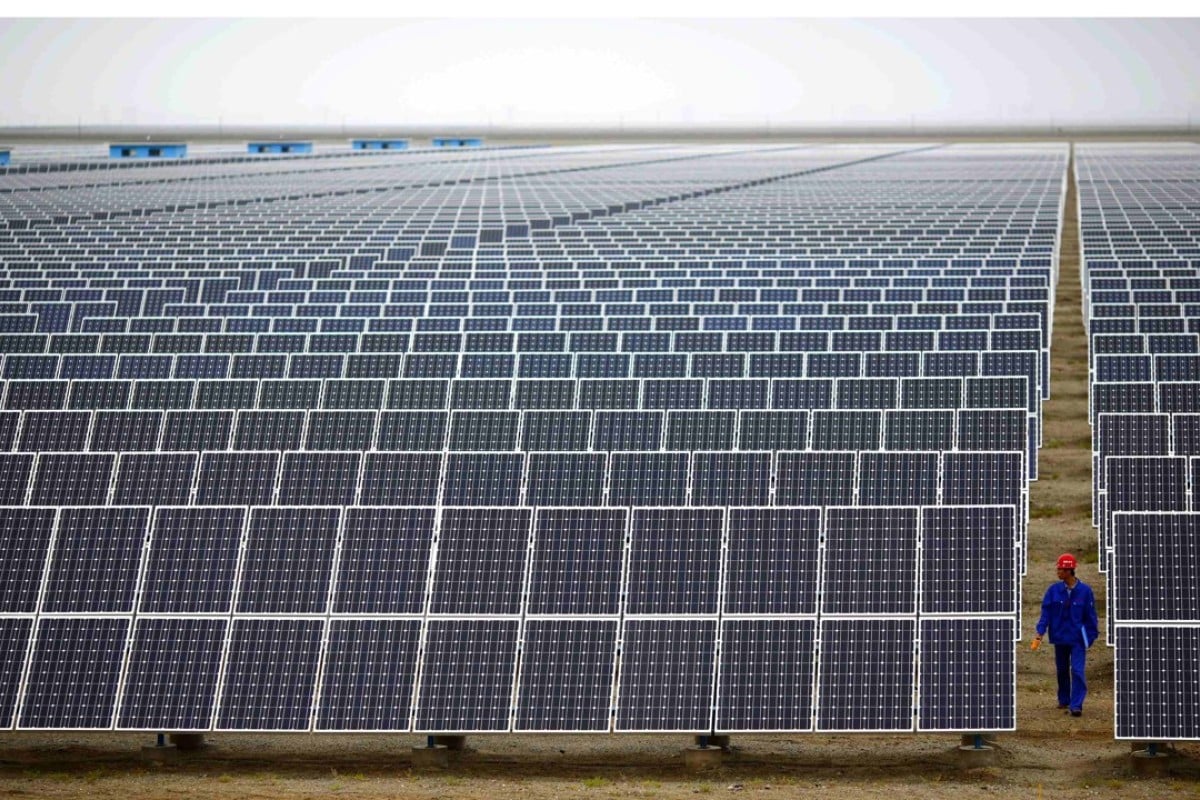
Solar will become the world’s largest source of electricity by 2032, according to BloombergNEF’s New Energy Outlook 2026.
BloombergNEF said rising electricity demand driven by electrification, data centres, population growth and higher incomes is reshaping global energy systems.
The organisation added that countries adopting low-carbon technologies can reduce reliance on imported fossil fuels and strengthen energy security. The report finds electricity will meet two-thirds of new energy demand over the next 24 years, with natural gas supplying another 25%.
The report indicated that global electricity demand is projected to rise 29% by 2035 and 69% by 2050, with data centre consumption alone more than doubling to 1,114TWh.
BloombergNEF said solar growth is driven by overcapacity, technology advances and falling prices, while battery storage is expected to expand 17-fold from 223GW in 2025 to 3.8TW by 2035.
Energy economists noted that the rapid expansion of electric vehicles, industrial automation, and digital infrastructure has placed the global energy market in a race to deploy the most efficient, least-cost power generation technologies.
The Issues
- Integrating a massive influx of variable solar power requires grid operators to deploy unprecedented levels of battery storage to maintain system flexibility.
- The exponential growth of data centers poses an immediate localized strain on transmission networks before long-term renewable installations come online.
- Overcapacity and falling technology prices compress margins for equipment manufacturers even as they accelerate global adoption rates.
What’s Being Said
- “We’re living in another moment of crisis, but unlike in past decades, today there are real options for countries to react,” said David Hostert, chief economist at BloombergNEF.
- Hostert added that “through clean power and electrification we can strengthen energy security and reduce harmful emissions along the way.”
- “As EVs, data centers, population growth and industrial activity spur electricity demand, the world is in a race to meet rising energy demand with the most efficient, least-cost technologies,” said Matthias Kimmel, head of energy economics at BloombergNEF.
- Kimmel noted that “NEO shows that solar becomes the world’s largest generator overall by 2032, while storage jumps 17-fold to 3.8 terawatts by 2050, underscoring how clean technologies are increasingly critical to energy security, system flexibility and meeting the world’s growing power needs.”
What’s Next
- Utility companies and national grids will scale up capital allocations toward utility-scale battery storage installations to handle solar generation profiles.
- Technological research firms will focus on efficiency upgrades for solar photovoltaic cells to maintain competitiveness amid market overcapacity.
- Policymakers will re-evaluate long-term energy security frameworks to prioritize domestic clean energy infrastructure over imported fossil fuels.
Bottom Line Driven by technological advances, market overcapacity, and surging data center demands, solar power is on track to overtake all other generation sources globally by 2032, requiring a parallel 17-fold expansion in battery storage to keep pace with global electrification.