Key points
Senate plans to pass the ₦58.47 trillion 2026 Appropriation Bill on March 31.
Committees to continue budget defence and harmonisation during Sallah recess.
Budget proposal focuses on economic stability, infrastructure, security and social investment.
Main story
The Nigerian Senate has set March 31 as the target date for the passage of the ₦58.47 trillion 2026 Appropriation Bill following a brief adjournment of plenary for the Sallah break.
Senate leadership indicated that standing committees will continue working during the recess to conclude ongoing budget defence sessions and align their reports with the Senate Committee on Appropriations.
The move is part of efforts to ensure that all legislative processes relating to the budget are completed before lawmakers reconvene at the end of the recess.
The budget proposal, presented earlier by Bola Ahmed Tinubu to a joint session of the National Assembly, outlines government priorities centred on economic stability, infrastructure expansion, improved security, and social investment programmes.
Following the presentation, the Senate passed the bill for first and second readings, paving the way for detailed scrutiny by relevant committees.
The issues
Timely passage of the national budget remains a critical issue in Nigeria’s fiscal management, as delays often affect government planning, project execution, and overall economic stability.
Legislators have increasingly emphasised early budget passage in recent years to ensure smoother implementation of government programmes and capital projects.
What’s being said
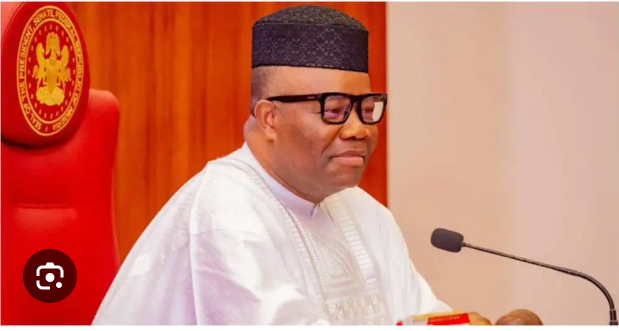
President of the Senate, Godswill Akpabio, said the Senate leadership is working to ensure that the budget is passed immediately after the legislative break.
“I hope the Leader will put pressure on the Committee on Appropriations to harmonise the report of the 2026 Appropriation Bill by that date,” he said.
“This is so that when we resume, we can try our best to pass the budget without requiring further concurrence or harmonisation.”
Akpabio added that coordination between both chambers of the National Assembly is key to achieving the timeline.
“The House of Representatives has already adjourned to conclude budget processes and will also reconvene on March 31. On that day, we hope to pass the national budget in tandem with the Senate,” he said.
What’s next
The Senate Committee on Appropriations is expected to complete the harmonisation of committee reports and prepare the final document for consideration when lawmakers reconvene on March 31.
Bottom line
The Senate’s plan to pass the 2026 budget by March 31 signals an effort by the National Assembly to maintain a predictable fiscal calendar and accelerate the implementation of government development priorities.