By Boluwatife Oshadiya | March 31, 2026
Key Points
- Senate approves $6bn external borrowing request submitted by President Bola Tinubu
- $5bn facility to be sourced from Abu Dhabi Bank for budget deficit and debt obligations
- Additional $1bn loan targets port infrastructure upgrades via UK Export Finance and Citibank
Main Story
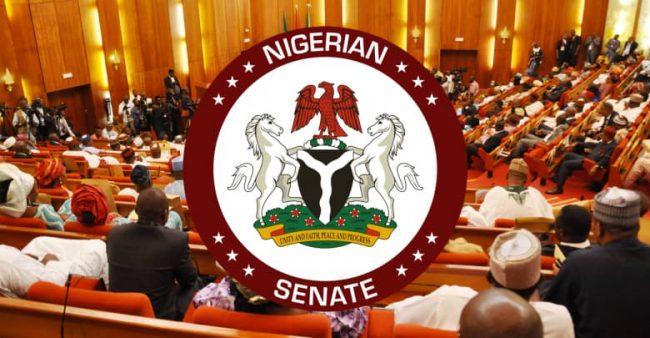
Nigeria’s Senate has approved President Bola Tinubu’s request to secure $6 billion in fresh external loans to finance budget deficits and critical infrastructure, following expedited legislative consideration on Tuesday.
The approval came after the Senate Committee on Local and Foreign Debts, chaired by Aliyu Wamakko, presented its report during plenary presided over by Senate President Godswill Akpabio. The request was transmitted by the President earlier in the day and fast-tracked through committee review.
According to official correspondence read on the Senate floor, the Federal Government plans to secure $5 billion from Abu Dhabi Bank to support deficit financing and service existing debt obligations. A separate $1 billion facility, to be arranged through UK Export Finance and Citibank London, will fund the rehabilitation of Nigeria’s major ports, including Lagos Port Complex and Tin Can Island Port.
The administration says the port upgrade projects are designed to improve operational efficiency, enhance safety standards, and support Nigeria’s non-oil export diversification strategy amid ongoing efforts to position the country as a regional trade hub.
The approval follows a broader fiscal strategy that has seen increased reliance on borrowing. In late 2025, the National Assembly approved a ₦1.15 trillion domestic borrowing plan to support the 2025 budget, which currently stands at ₦59.99 trillion—significantly higher than the initial ₦54.74 trillion proposal.
What’s Being Said
“The facilities are critical to closing the fiscal gap and financing priority infrastructure that will stimulate economic growth,” said a Presidency official in the loan request communication.
“Nigeria’s ports require urgent upgrades to remain competitive in global trade,” the President noted in his letter to the Senate.
What’s Next
- Disbursement timelines will depend on final agreements with lending institutions
- Implementation of port rehabilitation projects is expected to begin within the 2026 fiscal cycle
- Debt sustainability metrics will remain under scrutiny amid rising borrowing levels
The Bottom Line: Nigeria’s fiscal strategy is increasingly anchored on external borrowing to sustain spending and infrastructure development, raising medium-term concerns around debt sustainability and revenue generation capacity.