KEY POINTS
- A delegation of five Russian lawmakers is currently in the United States, marking the first such visit since the 2022 invasion of Ukraine.
- The visit is hosted by Republican Congresswoman Anna Paulina Luna, a close ally of President Donald Trump and a critic of extensive U.S. aid to Ukraine.
- Vyacheslav Nikonov, deputy chairman of the State Duma’s foreign affairs committee, confirmed that U.S. sanctions against him were temporarily lifted to facilitate the trip.
- Discussions focus on establishing a joint parliamentary group and a potential reciprocal visit by U.S. lawmakers to Moscow in May 2026.
MAIN STORY
A significant shift in diplomatic engagement is unfolding in Washington as Russian and U.S. legislators attempt to reopen frozen communication channels.
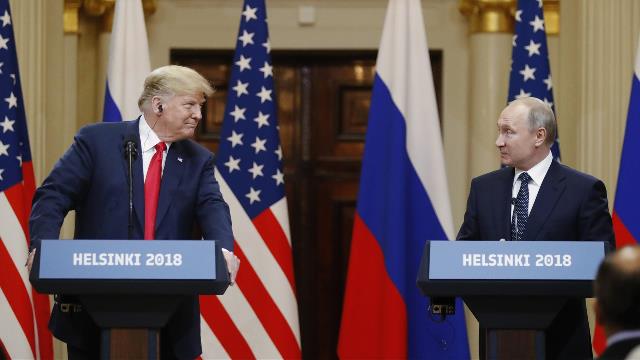
Vyacheslav Nikonov, representing the ruling United Russia party, revealed that the delegation intends to meet with administration officials on Friday to discuss the normalization of strained relations.
This visit represents a departure from the strict “isolation policy” maintained by Western allies over the past four years, signaling a pivot toward direct dialogue under the current U.S. administration.
The move has been framed by the Kremlin as a vital step toward stability. Spokesman Dmitry Peskov noted that while the State Duma and Federation Council hold secondary roles in Russia’s executive-heavy power structure, parliamentary diplomacy serves as a “soft power” tool to test the waters for higher-level negotiations.
For host Anna Paulina Luna, the engagement aligns with a broader strategy of reconsidering U.S. involvement in the Ukraine conflict in favor of de-escalation and bilateral talks.
THE ISSUE
The primary challenge addressed by this visit is the “Diplomatic Blackout” that has existed between the two nuclear powers since 2022. This “Communication Void” increased the risk of miscalculation during military tensions. To resolve this, the U.S. government utilized a “Sanctions Waiver” to allow blacklisted individuals like Nikonov to enter the country. While critics argue this undermines solidarity with Ukraine, proponents suggest that building a “Legislative Bridge” is a necessary precursor to any eventual peace settlement or arms control discussions.
WHAT’S BEING SAID
- “Meetings with administration officials are planned for Friday… [discussions focused on] creating a joint parliamentary group,” stated Vyacheslav Nikonov.
- “The trip is an important step towards normalizing strained relations,” noted Kremlin spokesman Dmitry Peskov.
- “Western countries have sharply curtailed political contacts with Russia in solidarity with Ukraine,” highlighted the dpa report on the historical context.
- “The possibility of a reciprocal visit to Moscow in May is on the table,” Nikonov added regarding future plans.
WHAT’S NEXT
Following Friday’s meetings with administration officials, the Russian delegation is expected to brief the State Duma on the receptiveness of the U.S. Congress to a formal joint committee. If the “May Reciprocal Visit” is approved, a bipartisan group of U.S. lawmakers could travel to Moscow for the first time in years. Diplomatic observers will be watching closely to see if these parliamentary talks lead to a relaxation of specific economic sanctions or a formal framework for a Ukraine ceasefire. Meanwhile, European allies are expected to hold emergency sessions to discuss whether they will maintain their isolation policy or follow Washington’s lead in reopening dialogue.
BOTTOM LINE
The bottom line is that the “Iron Curtain” of 2022 is beginning to show cracks. By hosting Russian lawmakers in Washington, the U.S. is signaling that it is ready to move from a policy of isolation to one of direct engagement. For the global political landscape, this visit is the clearest sign yet that the terms of the Russia-Ukraine conflict are being renegotiated in the halls of parliamentary power.