








KEY POINTS
- RIMSON President Dr. Abbas Idriss notes that while a conflict involving Iran could drive oil prices up to $150 per barrel and increase Nigerian revenue, a resulting global recession could cause Nigeria to “suffer economically.”
- The society warns that Middle East instability may lead to the proliferation of arms and divert Nigerian resources away from infrastructure and toward security spending.
- A conflict in the Middle East could disrupt the flow of remittances, which are vital to the Nigerian economy, leading to “decreased household incomes and increased poverty.”
- Disruptions to international trade routes are expected to increase costs for imported goods, fueling domestic inflation.
- RIMSON is calling for a “proactive risk management culture” rather than a reactionary one to mitigate these global threats.
MAIN STORY
The Risk Managers Society of Nigeria (RIMSON) has detailed the potential consequences of the large-scale offensive launched by the United States and Israel against Iran. In a statement released Tuesday in Abuja, RIMSON President Dr. Abbas Idriss warned that the escalating regional conflict has significant implications for Nigeria’s oil revenue, internal security, and diplomatic relations.
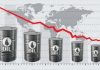
A primary concern is the global energy market. Dr. Idriss stated that oil prices are expected to rise as high as $150 per barrel, noting that the Dangote refinery has already responded by increasing pump prices. However, he cautioned that if the war leads to reduced global demand, the economic impact on Nigeria would be negative. Furthermore, the conflict complicates Nigeria’s foreign policy and geopolitical dynamics, particularly as Iran supports certain groups within the West African region.
The society also raised alarms regarding security and humanitarian issues. Dr. Idriss highlighted that increased instability could lead to an influx of refugees and a proliferation of arms, exacerbating Nigeria’s existing struggles with terrorism and banditry. Additionally, the crisis threatens to trigger investor risk aversion, leading to a decrease in Foreign Direct Investment (FDI) and a reduction in remittances from Nigerians living in the Middle East.
DETAILED RISK FACTORS
- Oil prices hitting $150 per barrel could create higher revenue but poses a risk of global recession.
- Instability encourages a diversion of resources from development to security and promotes the proliferation of arms.
- Disrupted international trade routes are expected to lead to increased import costs and domestic inflation.
- Conflict in the Middle East threatens vital financial flows, potentially affecting household incomes and poverty levels.
- Nigeria must navigate complex geopolitical dynamics and regional stability influenced by Iran’s regional support.
- A global conflict could lead to decreased Foreign Direct Investment (FDI) as investors perceive Nigeria as a risky environment.
WHAT’S BEING SAID
- “The price of oil is expected to rise to up to $150 per barrel. Dangote has already responded by increasing the pump price. Others will surely follow,” stated Dr. Abbas Idriss, RIMSON President.
- On resource allocation: “Increased instability in the Middle East may lead to a focus on security spending, which can divert resources from economic development.”
- Regarding risk culture: “This further amplifies RIMSON’s call for a proactive risk management culture that is far more beneficial than the reactionary one.”
WHAT’S NEXT
- RIMSON is urging the Federal Government to carry out measures to manage, retain, and transfer risks as appropriate.
- Stakeholders will be watching for the intensity of the conflict and the resilience of the Nigerian economy in the face of supply chain disruptions.
- Nigeria may need to prepare for potential refugee influxes and social service pressures if the conflict spills over into broader regional instability.
BOTTOM LINE
The Bottom Line is that while $150 oil could offer a short-term fiscal boost, the broader risks to Nigeria’s security, supply chains, and household welfare are severe. RIMSON insists that Nigeria must adopt an intelligence-led, proactive risk management strategy to survive the interplay of global energy markets and regional security dynamics.




 has detailed the potential consequences of the large-scale offensive launched by the United States and Israel against Iran. In a statement released Tuesday in Abuja, RIMSON President Dr. Abbas Idriss warned that the escalating regional conflict has significant implications for Nigeria’s oil revenue, internal security, and diplomatic relations.)