







The House of Representatives has taken a significant step toward enhancing the independence of Nigeria’s foremost anti-graft agency, the Economic and Financial Crimes Commission (EFCC), by passing for second reading a bill to amend the EFCC (Establishment) Act, 2004.
The amendment bill, sponsored by Yusuf Gagdi, representing Pankshin/Kanke/Kanam Federal Constituency of Plateau State, seeks to strengthen the institutional autonomy of the EFCC and align its operations with global anti-corruption standards.
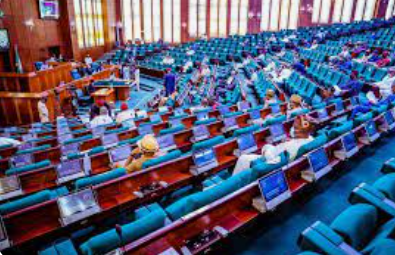
During Thursday’s plenary, presided over by the Deputy Speaker, Benjamin Kalu, Gagdi argued that the amendment was necessary to modernise the EFCC’s legal framework and empower it to effectively tackle evolving patterns of financial and economic crimes.
He noted that since the establishment of the EFCC Act in 2004, the landscape of financial crimes had expanded beyond conventional fraud to include cybercrime, cryptocurrency-related offences, illicit financial flows, terrorism financing, and real estate-linked money laundering.
“The EFCC operates under outdated provisions that do not adequately address these emerging realities,” Gagdi said. “Furthermore, the existing law does not provide sufficient safeguards for the Commission’s independence, leaving it vulnerable to political influence and external interference.”
A key highlight of the proposed amendment is the plan to limit the President’s unilateral power to remove the EFCC Chairman. Under the current law, the President can dismiss the Chairman at will, but the new proposal stipulates that such a decision must be ratified by a two-thirds majority of both chambers of the National Assembly.
Citing Section 3(2) of the existing Act, Gagdi stressed that the current framework grants the President sweeping powers that could undermine the Commission’s credibility and objectivity. He maintained that the amendment would restore public confidence in the EFCC and safeguard it from political manipulation.
“The bill presents a decisive step towards strengthening Nigeria’s anti-corruption framework,” he said. “It aims to ensure that the EFCC operates as an independent, professional, and transparent institution responsive to modern financial crime realities. This reform will also bolster Nigeria’s global reputation and promote good governance and economic stability.”
Supporting the motion, Chairman of the House Committee on Financial Crimes, Ginger Onwusibe, described the proposed amendment as long overdue, observing that the principal Act no longer reflects the complexities of contemporary financial offences.
The bill was subsequently referred to the House Committee on Financial Crimes for further legislative action.