Key Points
- The conversation at the REA has moved from basic involvement to how major institutions like First Bank can lead the market.
- Success stories include the ₦100 billion facility by Lotus Bank, alongside growing participation from FCMB and Stanbic IBTC.
- These efforts fall under the Distributed Access through Renewable Energy Scale-up (DARES) initiative, a $750 million World Bank-backed project.
- A core focus is designing bridge financing structures to unlock real scale for solar developers.
Main Story
A significant shift is occurring in Nigeria’s energy financing landscape as local tier-1 banks move from passive interest to active leadership in infrastructure development.
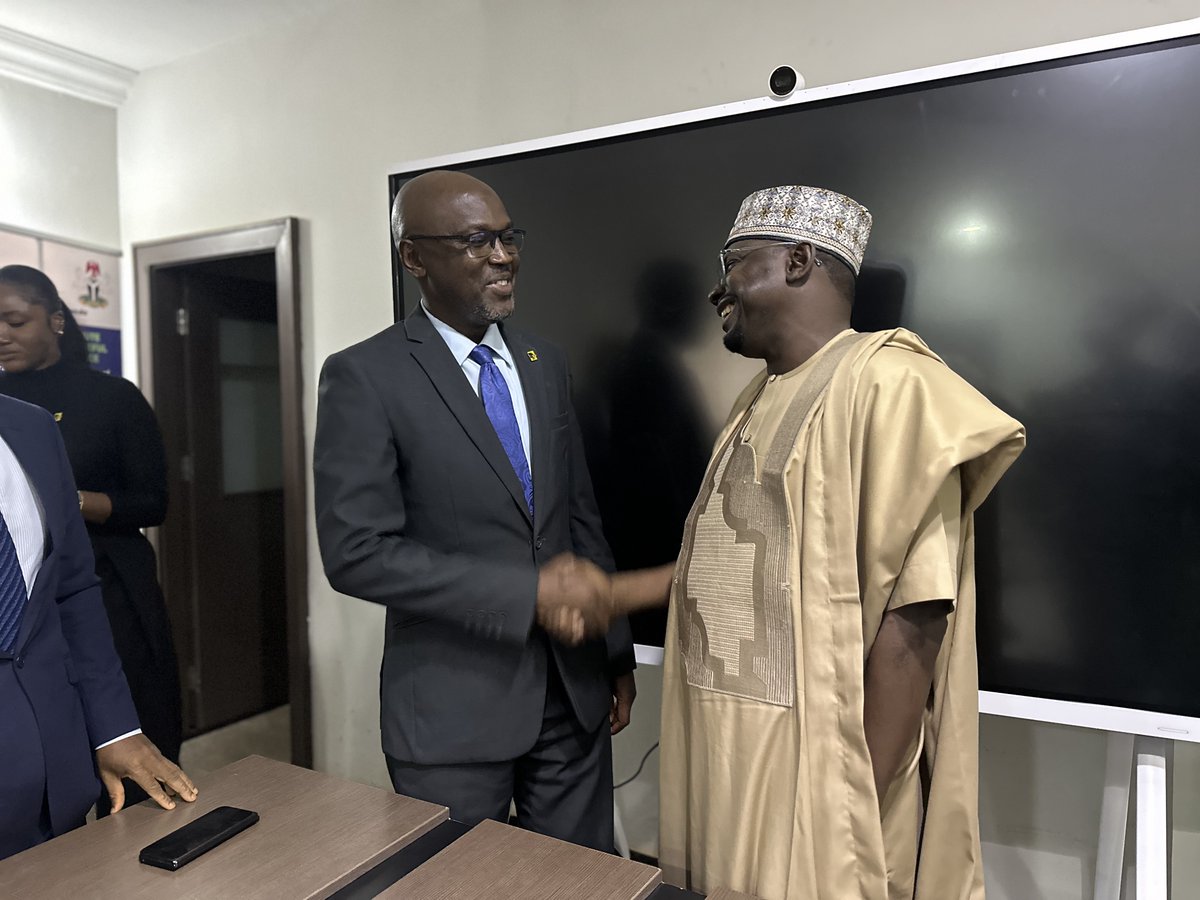
Dr Abba Aliyu, Managing Director of the Rural Electrification Agency (REA), recently met with the leadership of First Bank of Nigeria to discuss their positioning within the growing renewable energy ecosystem.
During the high-level talks, Dr Aliyu stated that the message from the REA was straightforward, noting that this was the moment for Nigerian financial institutions to step forward as true drivers of infrastructure financing within their own market.
He emphasised that moving from pilot projects to national impact required financing models to evolve as quickly as the technology itself.
By integrating local banks into the DARES framework, the agency aims to provide electricity to over 17.5 million Nigerians, which officials described as one of the largest publicly funded renewable energy projects globally.
The Issue
The primary bottleneck for renewable energy service companies (RESCOs) has historically been the “debt financing gap.” While international grants provide a foundation, the lack of bespoke, local “bridge financing” has slowed the transition from small-scale solar home systems to large-scale mini-grids. Without evolved financing structures that cater to the unique risk profiles of renewable infrastructure, the industry risks staying in a perpetual “pilot phase” rather than achieving the desired national scale.
What’s Being Said
- “Always a good sign when the conversation shifts from ‘how do we get involved?’ to ‘how do we lead?'” stated Dr. Abba Aliyu following the meeting.
- He encouraged teams to think boldly about what leadership looks like, particularly in designing bridge financing structures that can unlock real scale for developers.
- There is a clear opportunity for Nigerian financial institutions to position themselves as the primary drivers of infrastructure within the domestic market.
What’s Next
- The industry is watching to see how First Bank positions itself within this growing ecosystem.
- More tier-1 banks are expected to announce dedicated renewable energy desks and credit lines in the coming months.
- The focus remains on whether these institutions can quickly deploy capital to meet the DARES program’s target of reaching 5.2 million people by mid-2026.
Bottom Line
The REA is no longer just looking for partners; it is looking for leaders. By successfully courting the country’s largest financial institutions, the agency is attempting to turn renewable energy from a niche development sector into a mainstream, bankable infrastructure asset class.