








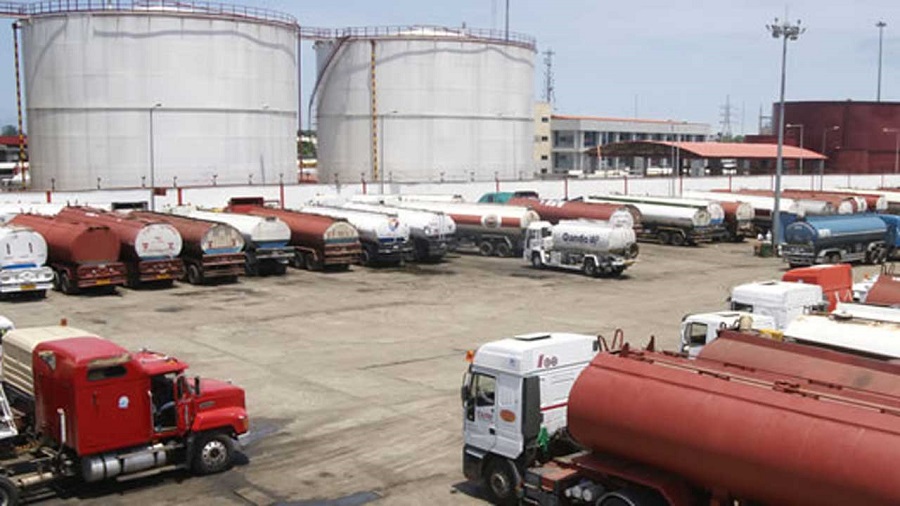
Private petroleum depots operating across Lagos and other major fuel distribution centres have increased the ex-depot price of Premium Motor Spirit (PMS), with rates climbing to as high as ₦800 per litre within a span of days.
Market intelligence from petroleumprice.ng indicates that average depot prices surged sharply over a 48-hour period, placing renewed pressure on fuel marketers and heightening fears of an imminent rise in pump prices across the country.
In Lagos, the Dangote Petroleum depot, which typically offers the most competitive pricing, adjusted its PMS price to ₦703 per litre on Friday, a slight increase from ₦702.50 recorded earlier in the week. While the change at Dangote was marginal, other private depots implemented more aggressive upward revisions.
Eterna and Integrated depots raised their ex-depot prices to ₦800 per litre, compared with ₦726 per litre offered earlier in the week by Shellplux and AIPEC. The adjustment represents an increase of ₦74 per litre within two days.
Aiteo and Lister depots followed a similar trend, selling petrol at ₦780 per litre, up from the ₦750–₦760 range previously recorded. The price escalation was even more pronounced in Warri, a critical petroleum logistics hub.
Data showed that Matrix Energy and several other depots sold PMS at ₦800 per litre earlier in the week, with prices climbing further to ₦805 per litre by Friday. Market participants attributed the faster response in Warri to tighter supply routes and higher transportation costs, as marketers reposition volumes ahead of potential scarcity.
The recent spike comes barely weeks after the Dangote Petroleum Refinery implemented a sharp reduction in its petrol gantry price, cutting the ex-depot rate from ₦828 to ₦699 per litre effective December 11, 2025. The adjustment marked the refinery’s 20th price change this year and had helped moderate prices following the removal of fuel subsidies.
Industry operators have linked the latest increases to the temporary shutdown of the refinery’s petrol unit, which had emerged as a major domestic supplier and helped ease reliance on costly imports.
Commenting on the development, petroleumprice.ng Chief Executive Officer, Jeremiah Olatide, described the price increase as a strategic response by fuel importers seeking to recover losses incurred during December.
According to him, the aggressive price reduction by the Dangote Refinery forced many importers to sell PMS below landing costs, eroding margins across the supply chain.
He noted that marketers are also factoring in potential supply tightness in January due to ongoing upgrade works at the refinery, which could temporarily constrain local output.
Olatide added that some depot operators have begun holding back volumes in storage, waiting for favourable pricing conditions should supply disruptions materialise. However, he cautioned that such strategies may be short-lived, as the Dangote Refinery could respond decisively once operations normalise.
Additional pressure on depot prices has come from external factors. Brent crude closed at $60.20 per barrel on Friday, while the naira weakened further at the parallel market, trading around ₦1,495 to the dollar. These dynamics have increased replacement costs for imported fuel.
Industry watchers warn that depot price movements often precede retail adjustments, raising the likelihood that pump prices could exceed ₦700 per litre in several cities if current trends persist.
Since the full deregulation of Nigeria’s downstream petroleum sector, petrol pricing has been driven by market fundamentals, including crude oil prices, exchange rate movements, logistics costs and supply availability. The temporary disruption at the Dangote Refinery has once again highlighted the fragility of domestic supply dynamics.










, with rates climbing to as high as ₦800 per litre within a span of days.)