KEY POINTS
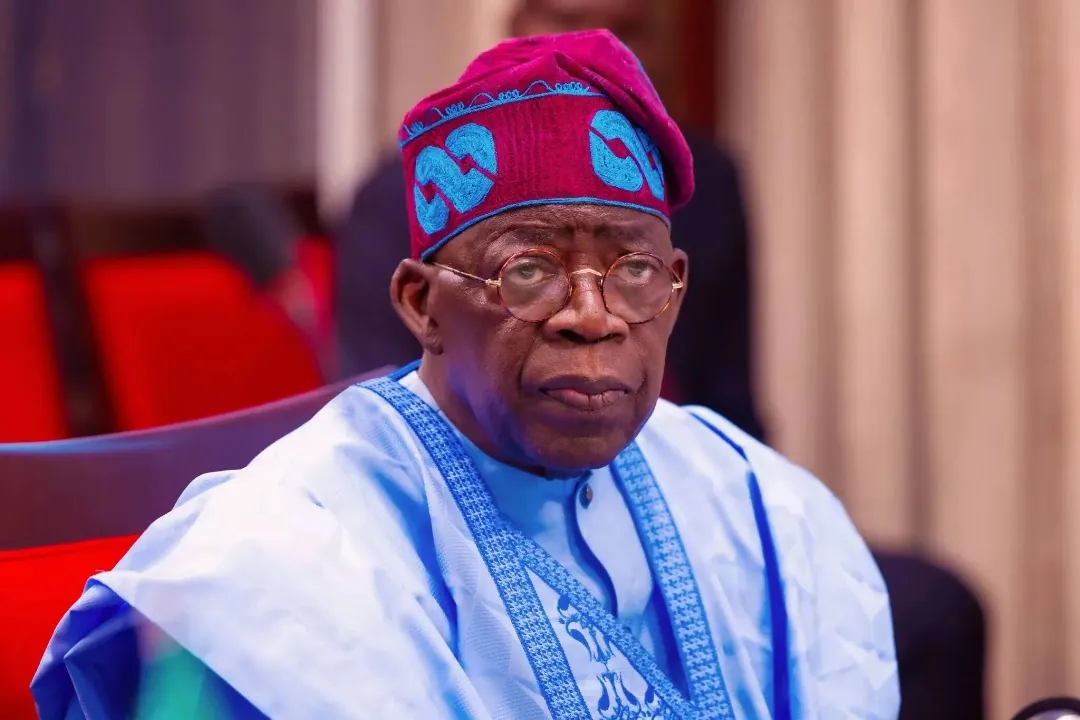
- President Bola Ahmed Tinubu has approved the expansion of the Presidential Initiative on Compressed Natural Gas (PiCNG) to now include Electric Vehicles (EV).
- The initiative has been officially renamed the Presidential Initiative on Compressed Natural Gas and Electric Vehicles (PiCNG & EV).
- The expanded body will now lead Nigeria’s clean mobility strategy, coordinating the rollout of both gas-driven vehicles and EV charging infrastructure nationwide.
- The President directed the immediate establishment of a coordinated process for rapid deployment of vehicle conversion kits at costs that are not burdensome to Nigerians.
MAIN STORY
Nigeria is doubling down on its transition away from traditional fossil fuels by integrating electric mobility into its national energy strategy.
In a directive issued on March 27, 2026, President Tinubu repositioned the PiCNG to anchor the development of EV charging networks and related green investments alongside its existing gas infrastructure mandate.
This move aims to leverage Nigeria’s abundant gas resources while simultaneously preparing the nation for a global shift toward electrification.
To ensure accessibility, the initiative is partnering with CreditCorp Nigeria and other financial institutions to design cost-effective financing structures for vehicle conversions.
While permanent infrastructure continues to scale, the President has ordered the accelerated deployment of Mobile Refuelling Units (MRUs) to provide immediate CNG access.
This hybrid approach is designed to lower transportation costs, strengthen energy security, and conserve foreign exchange by reducing the nation’s reliance on imported petrol.
THE ISSUE
The primary challenge addressed by this expansion is the “Infrastructure Synchronization Gap.” Previously, gas-driven and electric mobility efforts were largely siloed, leading to fragmented investments. By merging these mandates under PiCNG & EV, the government is attempting to resolve the “Range Anxiety” and “Conversion Cost” barriers simultaneously.
The integration ensures that whether a commercial driver chooses a CNG conversion or an EV upgrade, they will have access to a unified network of technical support and affordable financing through CreditCorp.
WHAT’S BEING SAID
- “The inclusion of electric vehicles further strengthens the government’s agenda for affordable, efficient, and environmentally responsible mobility,” stated the State House release.
- “PiCNG & EV will lead and coordinate Nigeria’s clean mobility strategy, covering gas-driven vehicles and electric vehicles nationwide,” the official mandate noted.
- “The President directed the rapid deployment of vehicle conversion kits… at a cost that is not burdensome to Nigerians,” highlighted the Presidential directive.
- “Gas remains a competitive and strategic fuel for transportation, leveraging Nigeria’s abundant resources to lower costs,” the initiative reaffirmed.
WHAT’S NEXT
The Executive Chairman of PiCNG & EV is expected to announce the first phase of the National EV Charging Rollout within the coming weeks. Simultaneously, CreditCorp Nigeria will unveil the specific financing terms for “Conversion Kit Loans” aimed at transporters and private vehicle owners. The deployment of Mobile Refuelling Units (MRUs) will increase in major metropolitan areas to bridge the gap as Mother and Daughter Stations are being constructed. Finally, a nationwide sensitization campaign will be launched to educate Nigerians on the long-term cost savings of switching to gas or electric power.
BOTTOM LINE
The bottom line is that Nigeria is no longer just betting on gas; it’s building a multi-fuel future. By merging CNG and EV into a single presidential mandate, the Tinubu administration is attempting to future-proof the nation’s transport sector. For the average Nigerian, this means more choices for cheaper fuel and a government-backed path toward modern, clean mobility.