

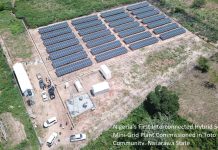



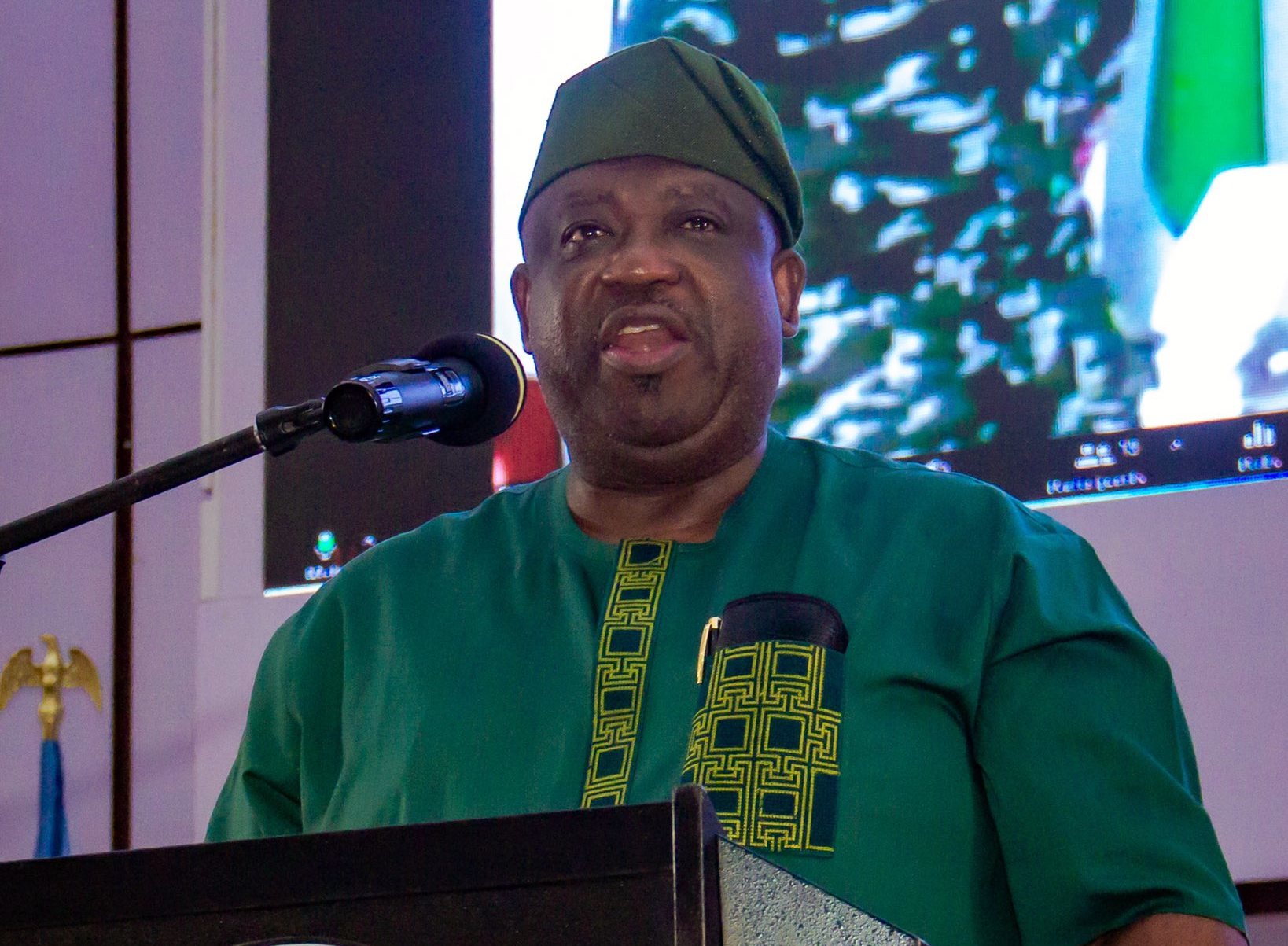
The Plateau State Government has launched a strategic offensive against chronic water shortages by transitioning to solar-powered motorized water treatment and supply schemes. On Tuesday, February 17, 2026, the Commissioner for Water Resources and Energy, Hon. Bashir Lawandi Datti, reaffirmed the administration’s commitment to ending water scarcity, specifically highlighting the recent flag-off of a pilot solar-powered plant in the Mado community, Tudun Wada ward.
Valued at over ₦200 million, the project serves as a “mini-scheme” model that Governor Caleb Mutfwang plans to replicate across other underserved local government areas to bypass the frequent power outages that have historically grounded state water pumps.
The push for solar energy in the water sector is part of a broader ₦13.7 billion infrastructure overhaul. Beyond the Mado pilot, the government is currently partnering with international firms to rehabilitate major dams and four-decade-old treatment plants, such as the Yakubuku-1N Laminga facility in Jos.
By integrating solar technology, the state aims to reduce the high operational costs of diesel generators and gas-powered pumps, which previously contributed to a 50% increase in water utility overheads. This green energy shift also aligns with the state’s Nigeria Solar for Health Project, which has already begun powering 25 primary healthcare centers with renewable energy.
To address the immediate needs of residents in high-scarcity areas like Jos North, the Ministry has deployed interim water trucking services while the permanent solar infrastructure is under construction. Commissioner Datti noted that public feedback has been a “positive driver” for these interventions, as the administration treats water access as a fundamental human right essential for public health and agro-allied development.
With the current momentum, the state envisions a decentralized water system where each local government area operates its own autonomous, solar-driven grid, ensuring a steady supply of potable water regardless of the national power grid’s stability.