Keypoints
- President Masoud Pezeshkian told French President Emmanuel Macron that “excessive demands” and a “lack of political will” from Washington caused the collapse of peace talks in Islamabad.
- The high-stakes negotiations lasted 21 hours but ended without a final agreement on April 12, primarily over issues regarding nuclear rights and the Strait of Hormuz.
- Despite the diplomatic failure, Pezeshkian emphasized that diplomacy remains Iran’s preference, provided national sovereignty is respected.
- In response to the stalemate, President Donald Trump has implemented a “full naval blockade” on Iranian ports as of Monday, April 13.
Main Story
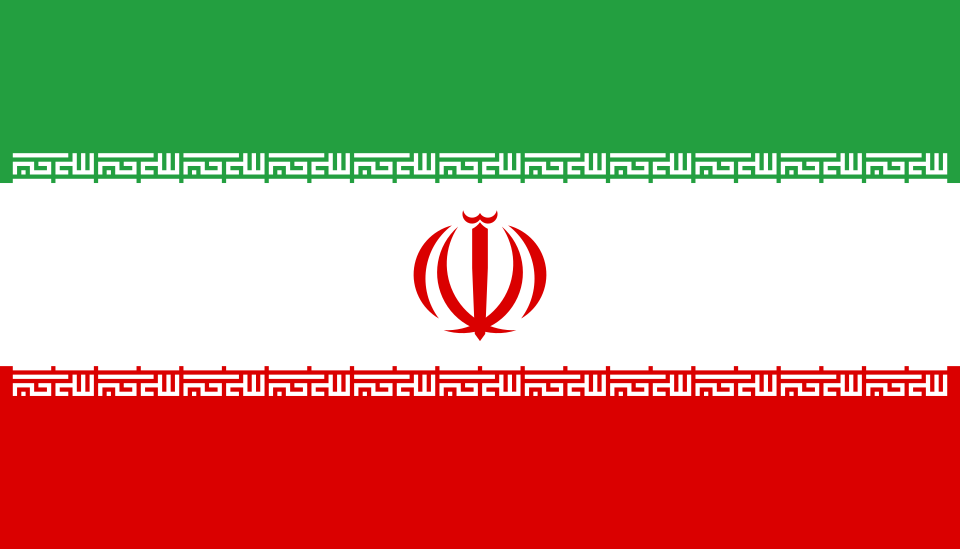
In a strategic phone conversation with Emmanuel Macron, Iranian President Masoud Pezeshkian placed the blame for the failed Islamabad summit squarely on the United States.
According to reports from the state-run broadcaster PressTV, Pezeshkian explained that while technical understandings were reached at the expert level, the “totalitarianism” and unreasonable conditions of senior U.S. officials prevented a deal. He maintained that the Iranian delegation entered the talks with “good faith and seriousness” but could not compromise on the country’s national dignity.
President Macron, acting as a mediator for European interests, reportedly urged Pezeshkian to use the current two-week ceasefire to return to a “precise and binding agreement.”
The French leader emphasized the necessity of ensuring freedom of navigation in the Strait of Hormuz, a strategic waterway that has become a flashpoint in the conflict. While Pezeshkian signaled that a path to an agreement still exists, he observed that international pressure must be coordinated to stop what he described as U.S. and Israeli aggression in Lebanon and the wider region.
The Issues
The primary challenge for the 2026 peace process is the irreconcilable “red lines” held by both parties: the U.S. demands an unconditional halt to Iran’s nuclear enrichment and free passage in the Strait, while Iran demands the unfreezing of $27 billion in assets and war reparations. Authorities must solve the problem of the navial blockade, which began on Monday and threatens to turn the “fragile ceasefire” into a renewed military engagement. Furthermore, the trust deficit is at an all-time high, with both sides accusing the other of using the Islamabad talks as a stalling tactic rather than a genuine effort for peace. To prevent a total regional war, mediators must now find a way to bridge the gap between U.S. “maximum pressure” and Iran’s “sovereign defiance” before the April 22 ceasefire deadline.
What’s Being Said
- “The excessiveness and lack of political will of senior U.S. officials have prevented the agreement from being finalised,” stated Masoud Pezeshkian.
- U.S. Vice President J.D. Vance described the Islamabad outcome as a “setback for Tehran,” noting that the U.S. remains firm on its red lines regarding nuclear ambitions.
- President Donald Trump warned that any Iranian boats approaching the American naval blockade “would be destroyed,” even as he claimed the other side “wants to work a deal.”
- Emmanuel Macron stressed that the Lebanon issue must be included in the ceasefire framework to ensure broader Middle East stability.
What’s Next
- Pakistan is expected to propose a second round of emergency talks to be held before the current ceasefire expires on April 22.
- The U.S. Navy’s blockade of Iranian harbours is anticipated to create immediate friction with commercial shipping, potentially leading to a sharp spike in global oil prices.
- Iran’s Revolutionary Guard (IRGC) may unveil “new forms of warfare” or military capabilities if the blockade significantly impacts domestic energy security.
- A joint UK-France summit on Hormuz shipping security is likely to be convened to discuss an alternative protection framework for commercial tankers.
Bottom Line
The failure of the Islamabad talks has shifted the 2026 conflict from the negotiating table back to the high seas. While Pezeshkian keeps the door to diplomacy slightly ajar, the implementation of the U.S. naval blockade suggests that “maximum pressure” has returned as the primary language of the standoff.