







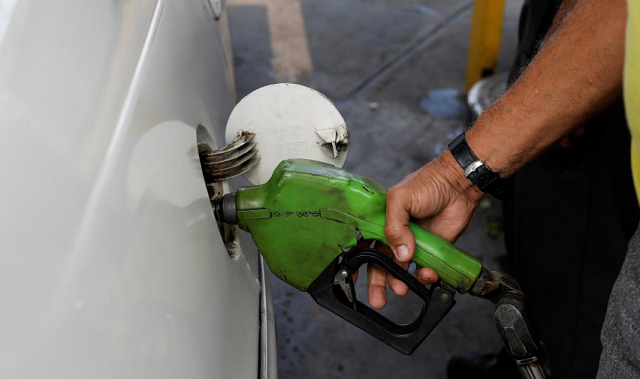
Oil marketers across Nigeria say the recent increase in the pump price of petrol is taking a toll on their businesses, with many struggling to raise sufficient capital to replenish stocks amid declining consumer demand.
Marketers say the higher cost of sourcing petrol has significantly eroded their working capital, forcing some operators to pool resources to remain in business and sustain supply. They also report a sharp slowdown in consumption following the price increase, with demand weaker than levels recorded during the festive period in December.
The National Publicity Secretary of the Independent Petroleum Marketers Association of Nigeria (IPMAN), Mr Chinedu Ukadike, said the rising cost of petroleum products has made it increasingly difficult for independent marketers to operate effectively.
According to him, the amount of capital required to purchase between 40,000 and 45,000 litres of petrol has risen substantially, placing pressure on operators’ finances.
“The purchasing power required is now much higher. It takes significantly more naira to buy 40,000 or 45,000 litres of petrol,” Ukadike said. “This is definitely impacting our businesses. Many marketers are running out of capital, and raising enough funds to buy products has become very difficult. Some operators are now combining resources just to keep their businesses running and continue serving Nigerians.”
Another oil marketer, Mr Ibrahim Gambo, corroborated this view, noting that higher pump prices have led consumers to adjust their fuel consumption patterns.
“Yes, consumption has reduced,” Gambo said. “Demand is noticeably slower compared to December, which is usually a peak period due to festivities, travel and increased commercial activities. With higher pump prices, consumers are cutting back on discretionary travel, conserving fuel and, in some cases, switching to alternatives such as compressed natural gas (CNG) where available.
“Commercial operators are also reducing trips to manage costs, so fuel volumes in January and beyond are softer than what we saw in December.”
Industry concerns have been heightened by rising global crude oil prices, which recently climbed to around $70 per barrel amid escalating geopolitical tensions, including threats of military action by the United States against Iran. Analysts have warned that oil prices could remain elevated due to heightened geopolitical risks, restrictions on Russian oil exports and sustained demand from China, despite earlier expectations of global oversupply.
Oil marketers have cautioned that these developments could push the pump price of both imported and locally refined petrol towards N1,000 per litre in the coming days.
Last week, Dangote Petroleum Refinery announced an increase in its gantry price of petrol from N699 to N799 per litre. Following the adjustment, the refinery said MRS Oil Nigeria Plc filling stations supplied by Dangote would sell petrol at N839 per litre, ending the temporary price support introduced during the festive season.
Shortly after, the Nigerian National Petroleum Company (NNPC) Limited raised its pump prices to N839 per litre in Abuja and N835 per litre in Lagos.
Gambo explained that recent gains by the naira against the dollar have not been sufficient to ease petrol prices, as multiple cost drivers remain elevated.
“While the exchange rate has shown some improvement, petrol pricing is influenced by many other factors beyond foreign exchange,” he said. “Most petrol currently in the market was imported when the naira was much weaker, so marketers are still recovering higher landing costs. Global crude oil prices and refined product prices remain volatile, while logistics expenses such as shipping, insurance, port charges, financing, security risks and high interest rates have also increased.”
Ukadike similarly attributed the latest petrol price increases to the rise in crude oil prices from between $50 and $60 per barrel to about $70 per barrel, driven by geopolitical tensions. He stressed that under Nigeria’s deregulated downstream petroleum market, the government no longer controls fuel pricing.
In defending its price adjustment, Dangote Petroleum Refinery said the increase reflects a return to what it described as sustainable pricing levels, following the end of the festive season. The refinery said it had absorbed higher costs during the holidays to ease the burden on households and stabilise the downstream market during a period of elevated consumer spending.
The refinery also stated that it has the capacity to supply up to 75 million litres of petrol daily, exceeding Nigeria’s estimated daily consumption of about 50 million litres.
However, analysts note that while higher crude oil prices pose challenges for consumers and marketers, prices above Nigeria’s 2026 federal budget benchmark of $64.85 per barrel could boost government revenues, strengthen foreign exchange reserves and support exchange rate stability.