






Home Blog Page 593

ABCHealth Welcomes TGI Group Into Health Coalition

TGI Supports 49th MAN AGM, 50th Anniversary

The Tropical General Investment Group (TGI Group) has become a member of the African Business Coalition for Health. This was announced in a joint press release by both organisations on Monday May 15,2023, 2023 in Lagos, Nigeria.


TGI Group is an international organisation operating in several continents including Africa, Middle East and Asia, owning over a hundred leading brands in a number of emerging markets in key sectors including fast moving consumer goods, agricultural inputs, industrial chemicals, homecare products and pharmaceuticals.

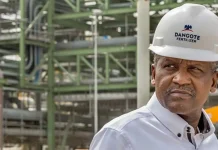
The organisation is a responsible business fully focused on supporting global action on the Sustainable Development Goals. Speaking on TGI Group’s membership into the Coalition, Alhaji Aliko Dangote, Chairman and President, Dangote Industries Limited and Co-Founder of ABCHealth, said that the task to make Africa and Africans healthier rests on everyone. We all have a role to play and for those with
resources, mobilizing such resources and making sustainable impact should be a priority in health; ‘There is a vital relationship between health, economic growth and development in Africa.

Healthy populations live longer and are more productive – therefore, improving access to quality health services is an important aspect of development. As a Coalition, ABCHealth is working to make this happen and we are happy that TGI Group has joined our ranks to make
our dreams of a healthy Africa a reality.’
Aigboje Aig-Imoukhuede, Co-Founder and Chairman of ABCHealth stated that TGI Group’s entry into the Coalition is a clear indication that the coalition that ABCHealth is building across the continent enables responsible business leaders and philanthropists to have a platform that
helps them make sustainable, large scale investments in health that transform African economies and people. He said; “We are confident of the impact this Coalition will bring to bear on the continent.

It is our firm belief that with governments and businesses working together, combining political will with business knowledge, Africa’s health sector can be built to the point where it will deliver affordable health to Africans in an equitable manner.”
Group Managing Director of TGI Group, Rahul Savara, in his remarks on the membership stated that the Group has always been a champion of strategic alignments to solve problems, especially in issues bordering existentiality and sustainability. “We are delighted to be joining a
strong team of people and businesses who have done a lot for health in Africa in their individual capacities, but also recognize that more can be done as a collective.

We are strong believers in creating local, Africa-centric solutions to African problems. For us to achieve the Africa of our dreams where there is prosperity and growth across board, beaming the spotlight on healthcare is non-negotiable. Businesses have a responsibility to society and philanthropists abound, therefore, a collaboration across the continent is a welcome development”, he said.
Mories Atoki, CEO of ABCHealth said; ‘Africa’s healthcare systems demand significant investments to meet the needs of their growing populations, changing patterns of diseases and the internationally-agreed development goals. Thankfully, critical stakeholders in both the private and public sectors across Africa are showing increasing interest in terms of enhancing health outcomes and improving livelihoods. TGI Group joining the Coalition is a deepening oftheir commitment to improving health outcomes and also a strong indicator that businesses
understand their roles are partners for development. We use this opportunity to call on more businesses to join our Coalition and to be part of the move to ensuring quality health and healthcare for all Africans.’
NNPC Confirms Increase In Fuel Price

NNPC

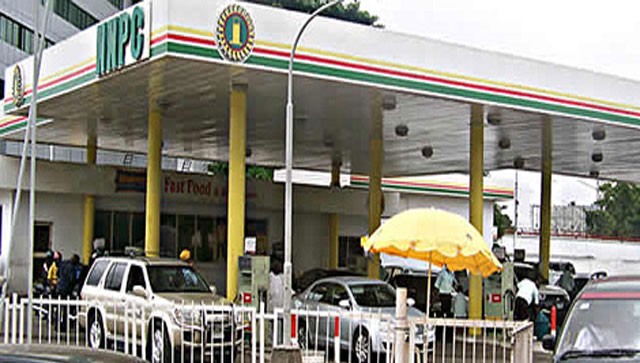
The price adjustment for gasoline has now been officially announced by the Nigerian National Petroleum Company (NNPC) Limited. Recall that the business had previously published a new price template that set the per-litre pump price of gasoline in different states between N488 and N555.

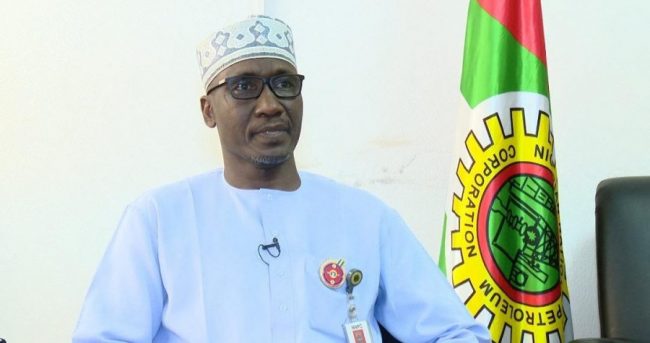
Garba Deen Muhammad, the NNPC’s chief corporate communications officer, confirmed the raise in a statement on Wednesday and assured Nigerians that the business will continue to provide them with goods.

“NNPC Limited wishes to inform our esteemed customers that we have adjusted our pump prices of PMS across our retail outlets, in line with current market realities,” the statement reads.

“As we strive to provide you with the quality service for which we are known, it is pertinent to note that prices will continue to fluctuate to reflect market dynamics.

“We assure you that NNPC Limited is committed to ensuring a ceaseless supply of products.

“The company sincerely regrets any inconvenience this development may have caused.

“We greatly appreciate your continued patronage, support, and understanding during this time of change and growth.”

As of right moment, the retail price of petrol from NNPC in Lagos State is N488 per litre. The NNPC is now Nigeria’s only supplier of gasoline as part of its position as an energy security provider, and it is now anticipated that other marketers would adopt the NNPC rates and alter their own pump prices as of today.

According to the pricing pattern, the cost of gasoline in Abuja and other North-Central States including Nasarawa, Plateau, Kwara, Kogi, Benue, and Niger has now increased from between N189 and N194 to N537 per litre.

The cost of PMS was increased for Lagos and other South West States including Oyo, Ogun, Ekiti, Ondo, and Osun from between N184 and N189 per litre to between N488 and N500.

In the South East where states such as Abia, Imo, Anambra, Enugu and Ebonyi, the price was increase from between N184 and N189 per litre to N515 to N520.

Similarly, in the North -West, the price of PMS was raised from N194 per litre to N540 while for the North-East, it moved from N199 to N550 per litre.

The NNPC Ltd had shortly after the announcement by President Bola Tinubu said the decision to remove the subsidy on Premium Motor Spirit (PMS) by the President is a welcome development.

The Group Chief Executive Officer (GCEO) of the NNPC, Mr. Mele Kyari during a press briefing shortly after the pronouncement by President Tinubu said the subsidy burden which has been placed on the NNPC Limited is affecting the company’s cashflow and threatening its sustainability plans due to the federal government’s inability to refund the subsidy claims.

He added that NNPC as a limited liability company cannot continue to bear the burden of subsidy on behalf of the federation if it must deliver dividends to its shareholders and be profitable.

He said, “We welcome the decision of the president to announce the removal of subsidy on PMS and this has been the major challenge for NNPC operations.

“We have been funding subsidy from the cash flow of the NNPC since government is unable to defray the cost of subsidy for the federation. We believe that this will free resources for the NNPC to continue to do the great work that this company is doing for our country and it allows us to continue to function as a commercial entity.”

Kyari assured that the company has over 30 days of PMS storage and supply and appealed to Nigerians not to indulge in panic buying.

He stated further that the company is in discussion with the Nigeria Midstream and Downstream Petroleum Regulatory Authority (NMDPRA) to develop a framework of the implementation of the removal of the PMS subsidy as announced by the President.

He further added that the company as the supplier of last resort as mandated by the Petroleum Industry Act (PIA) will continue to ensure availability of PMS and other petroleum products.

Tinubu had in his inaugural speech at the Eagles Square abolished fuel subsidy in Nigeria, saying it is no longer sustainable.

He had said, “On fuel subsidy, the budget I met before I assumed office and what I heard is that there is no provision for subsidy. Fuel subsidy is gone.”

The Federal Government had in the last few months been taking steps to stop the payment of fuel subsidy.

In the 2023 budget, the federal government had made provisions of N3.36trn for fuel subsidy payment to cover the first six months of this year.

This is in line with the 18-month extension announced in early 2022 by the government.

The immediate past administration of former President Muhammadu Buhari had set up a Subsidy Removal Committee which comprises the Ministry of Finance, Budget and National Planning, Ministry of Petroleum Resources, Nigerian National Petroleum Company (NNPC) Limited, the downstream and upstream regulators, Central Bank of Nigeria (CBN) and the Chief Economic Adviser to the President.

The 2023 Fiscal Framework and Appropriation Act as well as the Petroleum Industry Act (PIA) have made the provision that government should exit fuel subsidy by June 2023.

Kyari had during the inauguration of Dangote Refinery last week stated that the lingering challenge of Petroleum Motor Spirit subsidies is becoming unbearable as the burden is clearly getting out of the capacity of the state to bear.

He gave the monthly fuel subsidy burden at about N400bn monthly, adding that something needs to be done urgently to stop the spending.

Jumia Releases Financial Results For Q1 2023

Jumia Releases Financial Results For Q1 2023

Pan-African e-commerce platform, Jumia Technologies has released its Q1 2023 earnings report, providing insights into its financial performance and growth trajectory.

Jumia’s first quarter 2023 results showcased a significant reduction in losses and a commendable effort towards profitability. The company’s operating loss decreased by a remarkable 54 per cent year-over-year, reaching its lowest quarterly level in over four years at $31 million.

According to Jumia, the substantial reduction in losses can be attributed to its successful cost-reduction initiatives, with all operating costs decreasing sequentially and on a year-over-year basis.

Another highlight of Jumia’s Q1 2023 results is the remarkable 70 per cent reduction in marketing and advertising expenses. This disciplined approach to marketing investments has led to an improvement in marketing efficiency ratios, with sales and advertising expenses per order decreasing by 58 per cent and as a percentage of GMV improving by 451 basis points. Despite the significant cut in marketing expenditures, Jumia still managed to achieve growth in revenue. While overall revenue experienced a slight decline of three per cent year-over-year, it demonstrated a substantial 24 per cent increase on a constant currency basis. Marketplace revenue, particularly commissions, experienced significant growth, increasing by 40 per cent year-over-year. This growth was driven by commission take-rate increases implemented in mid-2022.

Jumia’s ability to reduce marketing expenses while maintaining revenue growth reflects a fundamental shift in their approach to sustainable and cost-effective growth, the report said.

According to the report, fulfillment expenses decreased by 34 per cent year-over-year, aligning with the decline in orders, while fulfilment expenses per order, showed a notable improvement of 20 per cent. Sales and advertising expenses witnessed a remarkable reduction of 69 per cent year-over-year, indicating a more disciplined approach to marketing investments. General and administrative expenses also decreased by 16 per cent year-over-year, reflecting the impact of organisational changes implemented in the fourth quarter of 2022. These cost reduction efforts contributed to an overall operating loss reduction of 54% year-over-year. With a focus on enhancing the fundamentals of the platform and implementing comprehensive cost efficiency measures, Jumia remains on track to achieve long-term growth and profitability.

One of the standout takeaways from Jumia’s Q1 2023 earnings is its gross profit, which reached an impressive $28.6 million, marking a notable five per cent increase compared to the same period last year. Furthermore, the growth was even more substantial, reaching a monumental 24 per cent on a constant currency basis. The gross profit margin as a percentage of GMV improved significantly, rising to 14.4 per cent compared to 10.8 per cent in the same quarter last year. Jumia’s continued focus on driving operational efficiencies and implementing strategic initiatives led to significant year-over-year growth in gross profit, demonstrating Jumia’s ability to deliver value to its stakeholders.

While Jumia reported a total revenue of $46.3 million for Q1 2023, reflecting a marginal decline of three oer cent on a year-over-year basis however, when considering constant currency, the revenue increased by a noteworthy 24 per cent. Further findings showed Jumia’s payment solution, JumiaPay transactions, declined by 38 per cent. Despite the setback, 29 per cent of orders placed on the Jumia platform during the first quarter of 2023 were completed using JumiaPay, the financial report said.

Speaking on what to expect for the rest of the year, the CEO of Jumia, Francis Dufay, stated that the company would be shifting its strategy to pursue a different approach to growth.

BREAKING: NNPC Discloses Official Pump Prices For Petrol

BREAKING: NNPC Discloses Official Pump Prices For Petrol

The Nigerian National Petrol Company, NNPC, on Wednesday, May 31, 2023, disclosed the official pump prices for petrol across the country.

In a statement signed by NNPC’s Chief Corporate Communications Officer, Garba Deen Muhammad, it was disclosed there-in that while the cost of petrol in Borno State was put at N557 per litre, the prices in Lagos, Abuja, Enugu and Ekiti were outlined as N488 per litre, N537 per litre, N520 per litre, and N500 per litre respectively.

The NNPC, however, explained that it adjusted the petrol pump prices across its retail outlets in line with current market realities.

“As we strive to provide you with the quality service for which we are known, it is pertinent to note that prices will continue to fluctuate to reflect market dynamics.

“We assure you that NNPC Limited is committed to ensuring a ceaseless supply of products.

“The company sincerely regrets any inconvenience this development may have caused.

“We greatly appreciate your continued patronage, support, and understanding during this time of change and growth,” the statement read.

More to follow…

Savannah Signs New Natural Gas Sales, Purchase Agreement

Savannah Energy Announces FY 2022 Audited Annual Results With 20% Increase In Nigerian Operations

Savannah Energy PLC, the British independent energy company focused around the delivery of Projects that Matter, is pleased to announce that the Company’s 80% indirectly owned subsidiary, Accugas Limited, has entered into a Natural Gas Sales and Purchase Agreement (the “NGSPA”) with Amalgamated Oil Company Nigeria Limited (“AMOCON”) for gas produced in the OML 156 sole risk petroleum lease area, for onward sale to its customers.

Accugas focuses on the marketing, processing, distribution and sale of gas to the domestic Nigerian market. In 2022, Accugas processed and transported an average of 145 MMscfpd of gas through its pipeline network, with all gas sourced from Savannah’s 80% indirectly owned Uquo gas field1.

Gas is processed at Accugas’ 200 MMscfpd Uquo central processing facility (“Uquo CPF”) for onward transportation to customers through its c.260km, up to c.600 MMscfpd transportation capacity pipeline network.

The NGSPA with AMOCON represents the first time that Accugas will be supplying gas to its customers that has not been produced from the Uquo gas field. Gas purchased from AMOCON does not require processing by Accugas and therefore does not utilise available capacity at the Uquo CPF.

Under the terms of the NGSPA, Accugas has agreed to purchase up to 20 MMscfpd of gas from AMOCON over the course of the next ten years. The cost of connection to Accugas’ infrastructure has been borne by AMOCON, with the gas being delivered from a new AMOCON-owned 140m pipeline connecting AMOCON’s Early Production Facility (“EPF”) to Accugas’ existing pipeline network.

Under the terms of the NGSPA, all capital expenditure required for the AMOCON EPF-to-Accugas pipeline was borne by AMOCON and Accugas has not incurred any additional capital expenditure in relation to this project. The contract is already operational and gas supply to Accugas has stabilised at approximately 20 MMscfpd.

Andrew Knott, CEO Savannah Energy, said: “Since we announced our intention to acquire our ownership interest in Accugas in 2017, Accugas has recorded six consecutive years of growth in Total Revenues2 at a compound annual growth rate of 21%.

“We are now contracted to supply gas to up to 24% of Nigeria’s thermal power generation capacity (up from 10% at the time of acquisition) as well as key petrochemical and cement factories. We are clearly performing a critical service to the Nigerian economy.

“By providing a commercial route to market for otherwise stranded gas resources, the deal with AMOCON represents a new source of growth for Accugas. This deal has the potential to serve as a template for the commercialisation of other stranded gas resources in South East Nigeria which represents a potentially significant opportunity for Accugas.”

READ ALSO

FG Owes NNPC ₦2.8trn Used For Petrol Subsidy

FG Owes NNPC ₦2.8trn Used For Petrol Subsidy

Mele Kyari, Group Chief Executive Officer (GCEO) of the Nigerian National Petroleum Company (NNPC) Limited, claims the Federal Government (FG) still owes the company ₦2.8 trillion in petrol subsidies.

Kyari told journalists following a meeting with President Bola Tinubu in Abuja on Tuesday that the subsidy payment was no longer sustainable since it prevented the company from supporting its main businesses.

“Today, we are waiting for them to settle up to ₦2.8 trillion of NNPC’s cash flow from the subsidy regime, and we can’t continue to build this,” Kyari added.

According to the GCEO, “we have not received any payment from the federation since the provision of the ₦6 trillion in 2022, and ₦3.7 trillion in 2023.”

Kyari stated that the NNPC paid the petrol subsidy payments from its cash flow, citing the government’s inability to repay the N2.8 trillion spent thus far.

“That means they (the federal government) are unable to pay and we have continued to support this subsidy from the cash flow of the NNPC.

“That is, when we net off our fiscal obligations of taxes and royalties, there is still a balance that we are funding from our cash flow. And that has become very difficult and it is affecting our other operations,” he said.

“We are not able to keep some of the cash to invest in our core businesses. And the end result is that it can be a huge challenge for the company and we have highlighted this severally to the government that they must compensate and pay back NNPC for the money that we have spent on the subsidy.

“So, today the country does not have the money to pay for subsidy. There is an incremental value that will come from it. But it is not an issue of whether you can do it or not because today we cannot afford it and they are not able to pay our bill.

“That comes to how much the federation owes the NNPC now.

“Today, we are waiting for them to settle up to N2.8 trillion of NNPC’s cash flow from the subsidy regime and we cannot continue to build this.”

READ ALSO

NMDPRA Ready To Issue Petrol Import Licenses

NMDPRA Releases 4 New Regulations On Environmental Remediation Fund

The Nigerian Midstream and Downstream Petroleum Regulatory Authority (NMDPRA) has stated that it is prepared to provide licenses to companies interested in importing gasoline.

Farouk Ahmed, chief executive officer of NMDPRA, told journalists on Tuesday that the requirements for importing kerosene and diesel will apply to the importation of the commodity.

According to Ahmed, a number of conditions must be completed before the applicants are awarded licenses.

“There are a lot of conditions to be met before you are given a licence to import petrol,” he said.

“I cannot give you all the rundown now but I can tell you that just the way marketers import diesel or jet kero, there are conditions for all that and the same condition will apply to those who want to import Premium Motor Spirit (PMS).”

According to section 197 (2) of the Petroleum Industry Act (PIA) 2021, only companies that are lessees producing crude oil and/or condensates or who hold crude oil refining licenses are permitted to offer wholesale petroleum liquids (including petrol importation).

While the PIA authorizes the NMDPRA to grant licenses to refiners or producers of crude oil, the regulation requires the minister of petroleum to approve such licenses in sections 73 (3) and 111 (1).

The Nigerian National Petroleum Company (NNPC) is currently the country’s last-resort supplier, responsible with importing refined petrol to ensure adequate supply and distribution.

The country exports crude oil and swaps it for refined petroleum products under the Direct Sale, Direct Purchase (DSDP) program.

READ ALSO

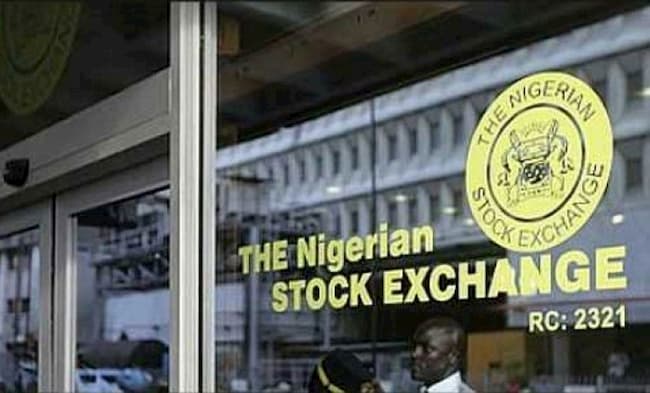
NGX Domestic Transactions Decrease By 45%

Capital Market Goes Green Ahead Of 2022 Corporate Earnings

Domestic trading volume on the Nigerian Exchange Limited has decreased from N3.556 trillion in 2007 to N1.945 trillion in 2022, a decline of 45.30 percent.This information was provided in a report published by the NGX that covered trading activity on the local market in April.

Domestic transactions increased over N1tn before declining to N634bn in 2016, according to data from NGX, from N3971tn in 2008 to N422bn in 2011. It lost another trillion naira in 2019 (N985bn), and by the end of 2022, it had fallen to N1945tn. The amount of international transactions on the NGX fell by 38.47% within the same time frame, from N616 billion to N379 billion.

Meanwhile, total domestic transactions accounted for about 84 per cent of the total transactions carried out in 2022, whilst foreign transactions accounted for about 16 per cent of the total transactions in the same period.

The highest amount of foreign transactions recorded within the 16 years under review was in 2014, where N1538tn was recorded, followed by N1219tn in 2018. Foreign transactions have steadily dropped on the NGX since 2018; from N943bn in 2019 to N729bn in 2020 to N435bn in 2021 and N379bn at the end of 2022.

The transaction data for 2023 showed that total domestic transactions were about N659.26bn, whilst total foreign transactions were about N62.18bn. A breakdown of the foreign transactions showed that N24.90bn was recorded in January 2023, reduced to N19.62bn in February, went lower to N9.19bn in March 2023 and dropped further to N8.47bn at the end of April 2023.

As of April 30, 2023, total transactions at the nation’s bourse increased by 30.77 per cent from N146.22bn (about $317.09m) on March 4 2023 to N191.21bn (about $413.25m) on April 5, 2023.

In April 2023, the total value of transactions executed by Domestic Investors outperformed transactions executed by Foreign Investors by about 92 per cent. Further analysis of the total transactions executed between the current and prior month (March 2023) revealed that total domestic transactions increased by 33.35 per cent from N137.03bn in March to N182.74bn in April 2023.

In April, Institutional Investors outperformed Retail Investors by 18 per cent. A comparison of domestic transactions in the current and prior month (March 2023) revealed that retail transactions increased by 40.43 per cent from N52.83bn in March to N74.19bn and the institutional composition of the domestic market increased significantly by 28.92 per cent from N84.20bn in March 2023 to N108.55bn in April 2023.

Speaking on the floor of the NGX, its Chief Executive Officer, Temi Popoola, expressed concern about the inflow of funds into the capital market.

At a closing-gong ceremony held in honour of the CEO of StoneX Group for Europe, the Middle East and Africa, Philip Smith, in Lagos recently, Popoola said that despite a total of N360tn moved within the Nigerian economy in 2022, only one trillion naira made its way into the capital market.

Popoola said that the market could thrive with enabling policies from the government and expressed a desire to collaborate with the new administration to develop the right policies that will promote listings in the market.

He said, “The age-old question for the capital market has always been how to get more corporates to list on the Exchange. Federal Government policies have influenced listings in the market. For instance, in the ’70s, as a result of the indigenization policy introduced by the then administration, listings grew from 6 to 81.

“We are looking to collaborate with the new administration to develop the right policies that promote listings in our market with the support of stakeholders like the Chartered Institute of Stockbrokers, Association of Securities Dealing Houses of Nigeria (ASHON), Association of Issuing Houses of Nigeria and other.

According to the NGX CEO, the Exchange is keen on growing Nigeria’s retail participation and boosting investors’ confidence in our market.

Yield Falls To 6.6% As Nigerian Treasury Bills Rally

LBS Discloses FG's Targets With Naira Redesigning

Tuesday saw a further decline in the average yield on Nigerian Treasury notes as the stocks market remained popular despite the fixed income sector’s negative real return on naira assets.

Despite rising interest and inflation rates, spot rates across all tenor instruments decreased during the Central Bank of Nigeria’s (CBN) main market auction. The market’s increased liquidity helped to support the decline in spot rates.

The apex bank issued and distributed Nigerian Treasury notes valued at N180.4 billion to market participants in the most recent primary market auction, which was held on Wednesday.

The three tenors’ stop rates varied, according on the auction outcomes. 91-day, 182-day, and 364-day bonds were auctioned by the CBN for 2.29%, 4.99%, and 7.99% respectively, from 4.50%, 6.44%, and 8.99%.

Financial system liquidity was reported to have decreased by 17.7% today to close at $229,11 billion, according to market participants. Market liquidity was recorded at N278.4 billion on Friday thanks to an FAAC inflow and an NTB maturity.

The interbank financing rates remained constant at 12.75% and 13.25% levels notwithstanding the decline. The market anticipates an increase in OMO maturities of N20 billion to boost liquidity levels.

Coronation Research stated in its market brief that it anticipates rates in the money market to trend higher since the anticipated outflow from a probable CRR debit by the CBN would probably exceed the anticipated inflow from an OMO maturity and an FX refund.

Treasury bill trading finished on a high note in the secondary market. 20 basis points were lost from the average yield to

Fixed income traders and analysts said across the curve, the average yield closed flat at the short and mid segments but declined at the long (-33bps) end, following demand for the 303-day to maturity (-100bps) bill.

Notably, the Mar-24 and Apr-24 papers attracted the most traction as yields dipped by 68 and 18 basis points, respectively, TrustBanc Capital told investors in a market brief.>>Naira Steadies as Banks Issue Update on FX Purchase

As money market stress eased, Cowry Asset Management Limited briefed investors that banks with liquidity demanded lower rates on Tuesday. Meanwhile, local banks’ activities at the CBN standing lending facility have been reduced strongly.

Analysts saw short-term benchmark rates, such as the open repo rate and the overnight lending rate, remained unchanged at 12.75% and 13.25%, respectively.

Kwara Gov Cautions Oil Marketers Over Hoarding Of Fuel

Kwara Gov Cautions Oil Marketers Over Hoarding Of Fuel

Kwara State Governor AbdulRahman AbdulRazaq cautioned oil marketers on Tuesday not to cause unnecessary suffering for Nigerians by creating artificial gasoline scarcity in the state and beyond.

The warning was made by AbdulRazaq, who is also the Chairman of the Nigeria Governors’ Forum, in a statement signed by his Chief Press Secretary Rafiu Ajakaye.

He stated that the present situation of not selling petrol to motorists without the government raising the price was completely uncalled for, and he urged fuel marketers to immediately release fuel to the public under the normal pricing structure because they had purchased what they currently had at subsidized rates.

“Creating artificial scarcity amounts to an intentional misrepresentation of the statement of President Bola Tinubu on the question of fuel subsidy. The people should not be made to undergo any hardship,” he stated.

“The Governor urges the marketers to desist from anything that qualifies as economic sabotage of the people. Hoarding fuel bought at subsidised prices and creating panic in the state is opportunistic and will not be condoned.

“His Excellency, the Deputy Governor, Mr. Kayode Alabi, will be leading a task force to ensure that no fuel marketer causes undue hardship to the citizens in Kwara State.

“Fuel stations are to note that the task force will dip into their pits. Any filling stations found to be hoarding fuel will have their Certificate of Occupancy revoked, among other penalties.”

President Tinubu Declares “Subsidy Is Over”

BizWatch Nigeria recalls that on May 29, President Bola Tinubu declared that his administration would end the subsidy on petroleum products.

Soon after being sworn in as the 16th President of Nigeria, Tinubu declared “Subsidy is gone” in his inaugural speech at Eagle Square, Abuja.

READ ALSO

Naira’s Value Balances Despite Plans To Converge FX Rates

Dollar To Naira Exchange Rate Today (Fri. April. 28, 2023)

The Naira, the indigenous currency of Nigeria, started the week off on a fairly even keel as prices at the Investors’ and Exporters’ foreign exchange window, where rates are being unified, closed at 464.5 per US dollar.

In his inauguration address, Nigeria’s new president, Bola Tinubu, unveiled a strategy to harmonize the country’s several foreign exchange rates. If adopted, the measure would be in line with requests from the World Bank and IMF for the monetary authority to adopt a market clearing rate to encourage foreign currency inflows into Nigeria.

According to Broadstreet analysts, confused exchange rates and a growing backlog of foreign cash for repatriation are to blame for the lack of interest among international investors.

The top bank introduced a number of rates to manage exposures in the face of FX shortage brought on by a decline in US dollar inflows. The Central Bank of Nigeria (CBN), which is working to bolster its buffer, has implemented capital restriction to minimize FX outflow that would have a negative influence on the value of the naira.

The apex bank continues to strengthen the naira by secondary market intervention sales despite a poor supply side. The CBN has been returning rejected bids and even delaying transactions, according to the FX sales record.

The naira exchange rate increased slightly on the black market to N756 per US dollar as traders started to keep an eye out for potential currency reforms in the nation.

Data from FMDQ Exchange showed that the local currency appreciated against the dollar on Tuesday, exchanging for N464.50 at the Investors’ and Exporters’ window compared with the N464.51 to the dollar at the close of business on May 26.

The open indicative rate closed at N464.10 to the dollar on Tuesday. An exchange rate of N467 to the dollar was the highest rate recorded within Tuesday’s trading before it settled at N464.50.

The naira sold for as low as 460 to the dollar within the day’s trading. A total of 120.36 million dollars was traded at the official Investors and Exporters window on Tuesday. > Naira Steadies as Banks Issue Update on FX Purchase

According to analysts quoted in a research by Coronation Research, the Nigerian Autonomous Foreign Exchange Fixing (NAFEX) rate fluctuated between N410 and N632 per US dollar but ended at N464.5.

This suggests a weekly devaluation of N1.5 or -0.3%. The range of FX prices transacted in the futures market was N449.9-483.2. The naira increased by +1.5 to settle at N470.8 in the 1-month contract, and by +4.3% in the 3-month contract to close at N485.8.

On Friday, the FX spot rate in the retail secondary market intervention sales (SMIS) market closed at N462 per dollar. FMDQ records show that NAFEX turnover climbed by 8.7% on Friday to reach US$702 million.

Nigerian Governors Warn Filling Stations Against Hoarding Of Fuel

Falana Criticizes NNPC For Increasing Fuel Price

Kwara State Governor and Chairman of the Nigeria Governors’ Forum (NGF), AbdulRahman AbdulRazaq; Bayelsa State Governor, Senator Douye Diri, and Osun State Governor, Senator Ademola Adeleke, have cautioned oil marketers to avoid imposing needless hardship on the citizens through creation of artificial fuel scarcity in states across the country.

Similarly, Governor Godwin Obaseki of Edo State and Governor, Mr. Biodun Oyebanji of Ekiti State have threaten to clamp down oil marketers hoarding petrol in their respective states to create artificial scarcity and price hike

The governors gave the warning in separate statements yesterday.

The oil marketers had resorted to hoarded and hiked prices immediately President Bola Tinubu announced in his inaugural speech that fuel subsidy was over.

AbdulRazaq, said, he was seriously concerned about reports of sudden fuel scarcity in different parts of the state, stressing that it was totally uncalled for.

In a statement issued in Ilorin, that was signed by the governor’s Chief Press Secretary, Mr. Rafiu Ajakaye, AbdulRazaq, however asked marketers to immediately discharge fuel to the public under the normal pricing system since they had bought what they currently have at subsidised rates.

He stated: “Creating artificial scarcity amounts to intentional misrepresentation of the statement of President Bola Ahmed Tinubu, on the question of fuel subsidy. The people should not be made to undergo any hardship.

“The governor urges the marketers to desist from anything that qualifies as economic sabotage of the people.

“Hoarding fuel bought at subsidised price and creating panic in the state is opportunistic and will not be condoned.

“The Deputy Governor Mr. Kayode Alabi will be leading a task force to ensure that no fuel marketer causes undue hardship to the citizens in Kwara State.”

AbdulRazaq added, “Fuel stations are to note that the Task Force will dip into their pits. Any filling stations found to be hoarding fuel will have their Certificate of Occupancy (CofO) revoked, among other penalties.”

Diri, also directed oil marketers in the state against hoarding and raising price of petrol.

In a statement issued by his Chief Press Secretary, Mr. Daniel Alabrah, the Bayelsa governor warned that his administration would take stern measures against any filling station that flout the directive.

He said the government had received reports that filling stations in the state capital had hiked the pump price of petrol above the usual price of between N193 and N250 per litre and now being sold at N500 per litre and above.

Marketers in the state were said to have reacted to the pronouncement by Tinubu during his inauguration on Monday, that the federal government subsidy on petrol “was gone.”

The Bayelsa governor said it was wicked for oil marketers to swiftly seek to profiteer at the detriment of the people following a mere pronouncement that had not taken effect.

He noted that the pump price of petrol was a significant determinant of the cost of goods and services in the country and that his administration would not allow the people of Bayelsa to suffer undue hardship from the profiteering activities of greedy businessmen.

Diri said he had directed the Ministry of Mineral Resources and the petroleum task force in the state to shut down any filling station hoarding the product or caught selling above the usual price.

He said: “I have directed the relevant ministry and the state’s task force on petroleum to ensure that all filling stations sell petrol within the usual price range.

“I have equally directed that any filling station that flouts this directive or fails to revert to the usual price be shut down. We will take further stern measures against any station that defaults.

Also, Osun State Government yesterday vowed to arrest and prosecute oil marketers who hoard fuel in a bid to create artificial scarcity in the state.

A statement issued by the spokesperson for Adeleke, Olawale Rasheed, yesterday, noted that a Special Monitoring Team would move around the state to ensure that all filling stations complied with the directive.

The stern warning came on the heels of reported deliberate hoarding of petrol by fuel dealers in the state.

The statement read, “The attention of the Osun State Government has been drawn to the deliberate hoarding of PMS by the fuel dealers within the State as a result of the statement from the Inaugural Speech of the new President of the Federal Republic of Nigeria, Asiwaju Bola Ahmed Tinubu on the removal of fuel subsidy, thereby causing unnecessary hardship for the people in the state.

“This deliberate action is not only inhumane, but unpatriotic and will not be allowed by the government.

“To this end, the Special Monitoring Team on fuel scarcity set up by Governor Ademola Nurudeen Jackson Adeleke headed by the Chief of Staff, Hon Kazeem Akinleye is still effective and shall not condone any form of economic sabotage.”

It added, “As from today, 30th May 2023, the Committee shall begin special monitoring of all the filling stations across the state in collaboration with law enforcement agencies and other stakeholders.

“Any fuel station found guilty of hoarding fuel to create artificial scarcity shall be sealed off and operators prosecuted for crime of economic sabotage.”

In a statement by the Chief of Staff to the Edo State Governor, Osaigbovo Iyoha, the governor was quoted as warning that any petrol station caught hoarding products would lead to revocation of its landed property.

“The attention of Edo State Government has been drawn to the unscrupulous attempt by petrol dealers in the state to hoard fuel and create artificial scarcity and price hike.

“As a responsible government that cares for her citizens, we shall resist this economic sabotage by every legal means possible.

 “To this end, all petrol stations are ordered to immediately resume sales of the products to Edo people or risk immediate closure, and possible revocation of their property to enable others who want to do legitimate and respectful business in Edo State come and invest,” the statement said.

It added that the government cannot continue to allow extortion of Edo people in whatever guise, warning that “a word is enough for the wise.”

Oyebanji has summoned fuel marketers in the State for a meeting This was sequel to his warning message to them not to hoard the fuel because of Tinubu’s statement on the removal of fuel subsidy.

NGX Rises As Inaugural Speech Gives Investors Confidence

SEC Warns Nigerians Against Investing In FinAfrica, Poyoyo

On Tuesday, amid increased optimism in the regional economy, the equities division of the Nigerian Exchange (NGX) posted a greater daily gain of more than N1.5 trillion.

Following President Bola Ahmed Tinubu’s pledge to kick-start the economy with initiatives like the elimination of fuel subsidies and the harmonization of currency rates, the market and investors’ confidence was bolstered.

Investors seeking growth thus value stocks on the local bourse. The demand for shares reached a higher record, driving key performance indicators up by +5.23%.

According to stockbrokers at Atlass Portfolios Limited, today’s record rise is the largest daily increase since November 12th, 2020, when it increased by +6.23%. The market index, also known as the All-Share Index (ALSI), gained 2,771.86 basis points today to close at 55,745.74, bringing the year-to-date gains to 8.77%.

The total volume and total value traded for the day both surged by +133.49% and +106.07%, respectively, according to market statistics, indicating a sharp rise in activity. In 9,916 trades, about 1,078.23 million units totaling $15,799.46 million were exchanged.

With 12.53% of the total volume of transactions, ACCESSCORP was the stock that was most actively traded. The top 5 on the volume chart were made up of the largest bank in Nigeria, FBNH (11.87%), TRANSCORP (8.88%), UBA (7.61%), and GTCO (7.09%).

Additionally, with 15.48% of the total value of trades on the exchange, ACCESSCORP was the stock that was traded the most.

ETERNA, FCMB, JAIZBANK, NB, TRANSCOHOT, DEAPCAP, STERLINGNG, and ZENITHBANK topped the advancers’ chart with a price appreciation of 10.00 percent each. These stocks were trailed by CONOIL (9.91%), AFRIPRUD (9.91%), GLAXOSMITH (+9.87%), CWG (+9.80%), and fifty-two others.

Eleven stocks depreciated, where IKEJAHOTEL was the top loser, with a price depreciation of -10.00% to close at ₦2.16, as NCR (-9.80%), TANTALIZER (-8.00%), CHIPLC (-6.56%), and ROYALEX (-2.22%) also dipped in price. Today, the market breadth closed largely positive, recording 64 gainers and 11 losers. As expected, the Nigerian Exchange’s sectors performance closed positively.

Stockbrokers said all the five major market sectors were up, led by the Banking sector (+8.20%), followed by the Consumer goods sector (+6.48%), the Industrial sector (+6.08%), the Oil & Gas sector (+4.04%), and the Insurance sector (+2.29% Overall, equities market capitalisation increased by ₦1,509.30 billion to close at ₦30,353.90 trillion from ₦28,844.60 trillion last Friday.

Bonds Soar As President’s Inaugural Speech Boost Morale

FGN Bond For Jan. 2021 Oversubscribed

Due to a rise in demand for gilt-edged securities in the secondary market on Tuesday, the average yield on Federal Government of Nigeria (FGN) bonds decreased. Following President Bola Tinubu’s statement in favor of the market, the market reacted by increasing demand for local bonds.

President Obama’s proposal to end gasoline subsidies and switch to a market-clearing exchange rate drew criticism from influential participants in the economy.

Investors continue to anticipate greater returns on debt instruments in the secondary market, which is driving up demand for FGN bonds in the over-the-counter market. Demand levels have always been sustained by the financial system’s liquidity situation.

In light of growing inflation, Nigeria favors cheap local debt capital market borrowings over pricey Eurobond offerings. Local businesses are due a sizable portion of Nigeria’s governmental debt.

The average yield decreased by 5 basis points to 13.9% as a result of the bond market rally that followed President Bola Tinubu’s market-sensitive inauguration speech, according to dealers’ market briefings.

Despite a surge in the stock market, fund managers committed some money to debt papers. Market analysts claimed that increased interest rates and inflation had diminished the appeal of investing in the debt market, which offers lower risk but a negative actual return.

As investors flocked to the MAR-2024 (-40bps) and APR-2037 (-18bps) bonds, respectively, the average yield decreased at the short (-12bps) and long (-5bps) ends of the benchmark curve, according to Cordros Capital.

A slew of fixed income traders, and market analysts, however, spotted that the average yield expanded 6 basis points at the mid-segment following the sell-off of the APR-2029 (+11bps) FGN bond.

In the market, 20-year and 30-year FGN bonds were 101 basis points and 70 basis points richer, according to fixed income market analysts at Cowry Asset Management Limited.

These bond papers’ corresponding yields decreased 18 basis points to 15.40% and 11 basis points to 15.55% as demand increased. The 10-year and 15-year yields closed steady at 12.54%, and 14.81%, respectively.

Elsewhere, the value of the FGN Eurobond closed higher for all maturities, spurred by reports of fuel subsidy removal and the unification of exchange rates.

Consequently, the average secondary market yield compressed to 11.05%. Elsewhere, the 10-year US treasury yield inched lower to 3.7.0% as tension over the debt ceiling reduced.

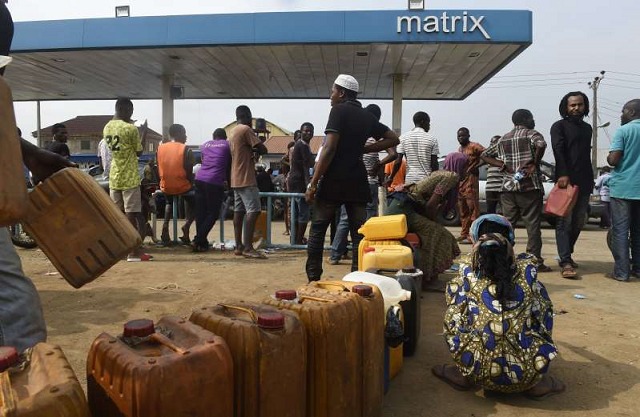
Fuel Costs N600 Per Litre, Lines Are Getting Longer As More Stations Close

Petrol Scarcity Hits Abuja Again As Queues Return

The price of gasoline has risen to N600 per litre from N195 per litre in several regions of the country less than 24 hours after President Bola Tinubu announced the end of fuel subsidies.

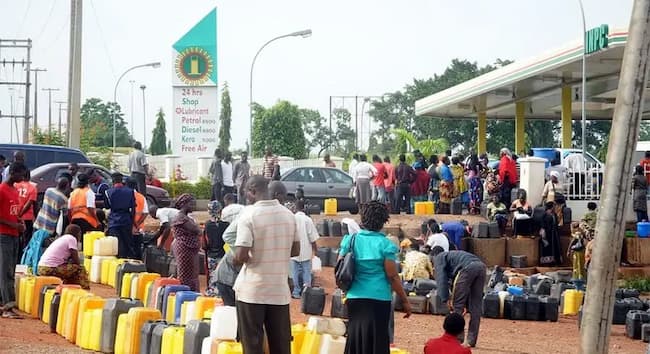
Long lines once again appeared at fuel stations in Lagos, Abuja, Ilorin, Benin, Asaba, Port Harcourt, Kano, Makurdi, and other important cities and metropolitan regions as a result of the development, which also caused a 100% increase in transportation costs.

Numerous outlets shut down their operations and refused to provide fuel to drivers, which made the situation worse by increasing the scarcity and causing fear and desperation buying at the fuel stations that were left accessible to the public.

In his inaugural speech at Eagle Square on Monday, President Tinubu declared that the subsidy program was officially over. He noted that the 2023 Appropriations Act did not include funding for gasoline subsidies after June, which marked the end of the 18-month extension period that the Muhammadu Buhari administration had approved for the program’s termination.

While this was going on, lines grew longer in some areas of Lagos and Ogun states as transporters raised their rates and some petrol retailers increased their pricing to as much as N600 per litre.

The Lagos-Badagry Expressway’s Mobil Filling Station at First Gate Bus Stop had a large line of cars and people with jerry cans, but no fuel was being supplied there. Half of the freeway was blocked by the line of cars.

According to research, several gas stations in the town were open from early in the morning till 2:00 pm and were charging between N189 and N205 per litre for the product.

Only a few stations, notably Bovas, Shirafa, and Geri Alimi, were dispensing the product at the time this report was filed.

While Bovas charged N200 per litre for fuel, the Tigress fuel station in the Odota neighborhood along the Ilorin/Ogbomoso route charged N205 per litre for PMS.

Many other businesses were closed, including NIPCO, Total, Abanik, OANDO, and the NNPC on Asa Dam Road. On Tuesday, frantic drivers surrounded a number of stations in Asaba, the capital of Delta State.

While other stations offered between N450 and N550 per litre, the majority of the main marketers have increased their pump pricing from N230 and N260.

However, a number of businesses turned away clients because their gates were sealed tightly.

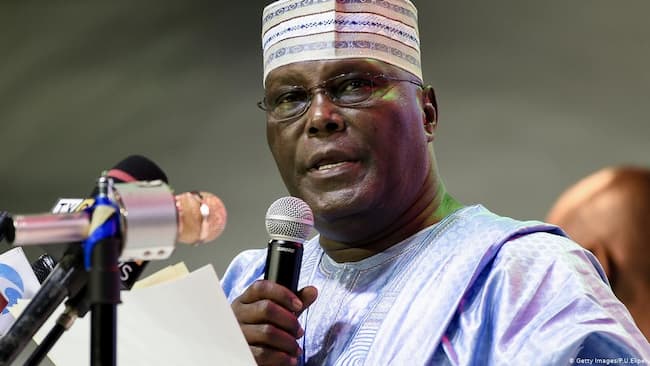
In His Case Against Tinubu, Atiku Offers 118 Exhibits

Tinubu's Certificate: Nigeria's Reputation Is At Stake - Atiku

Atiku Abubakar, the candidate of the Peoples Democratic Party, has submitted a total of 118 evidence to the five-member panel of the Presidential Election Petition Court in his case against President Bola Tinubu.

In order to protest the Independent National Electoral Commission’s designation of Tinubu, who ran for office as a candidate for the All Progressives Congress, as the victor of the February 25 election, Atiku and the PDP went before the tribunal. Tinubu received 8,794,726 votes, making him the election’s victor.

In their accusations against Tinubu, Atiku and the PDP claimed that the president was not duly elected by the majority of lawful votes cast at the election. The president “was, at the time of the election, not qualified to contest,” they further asserted.

At the start of the hearing on Tuesday, one of Atiku’s attorneys, Eyitayo Jegede, handed his first batch of exhibits to the court.

Certified copies of the presidential election results from the 36 states of the union and the Federal Capital Territory were among the exhibits offered as proof.

Printouts of data from the bimodal voter accreditation system and records of the number of permanent voter cards used for the election in the 36 states and the FCT are included as additional exhibits. All offered exhibits were accepted into the evidence.

The case’s respondents held off on objecting to any of the papers until their final written response.

The petitioners did not present any witnesses at the hearing.

Dollar To Naira Exchange Rate Today (Wed. May 31, 2023)

Dollar To Naira Exchange Rate Today (Thur. July. 13, 2023)

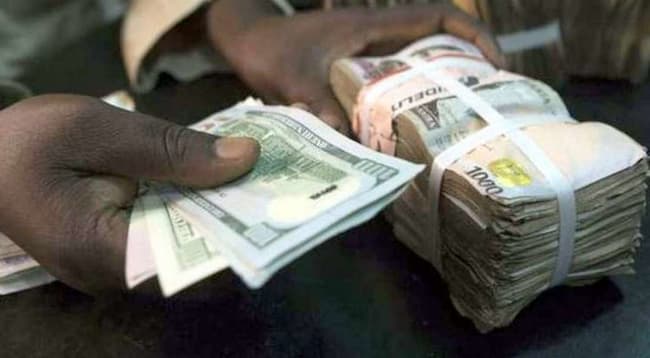
Dollar to naira, on Wednesday, May 31, 2023, opened at (undisclosed) at the Investors & Exporters FX window ( I&E FX Window), where the currencies officially trade.

According to the data at the FMDQ Security Exchange where forex is traded officially, the dollar to naira exchange rate stood at (undisclosed).

This would mean that the Nigerian currency either gained or lose in value against the United States dollar, as the foreign exchange (forex) trading closed at N460.06 per $1 on Friday, May 26.

How much is the dollar to naira at the black market today?

Going by sources at the Bureau De Change (BDC) in Lagos, the dollar to naira last traded between ₦760 and ₦775 with an average of ₦766.80 in the black market in the state.

It is, however, pertinent to note that the Central Bank of Nigeria (CBN) does not recognise the parallel market (black market), as it has directed individuals who want to engage in forex to approach their respective banks

Hello Day! Smoothie Has Received The International VEGAN Sign

Hello Day! Smoothie Has Received The International VEGAN Sign

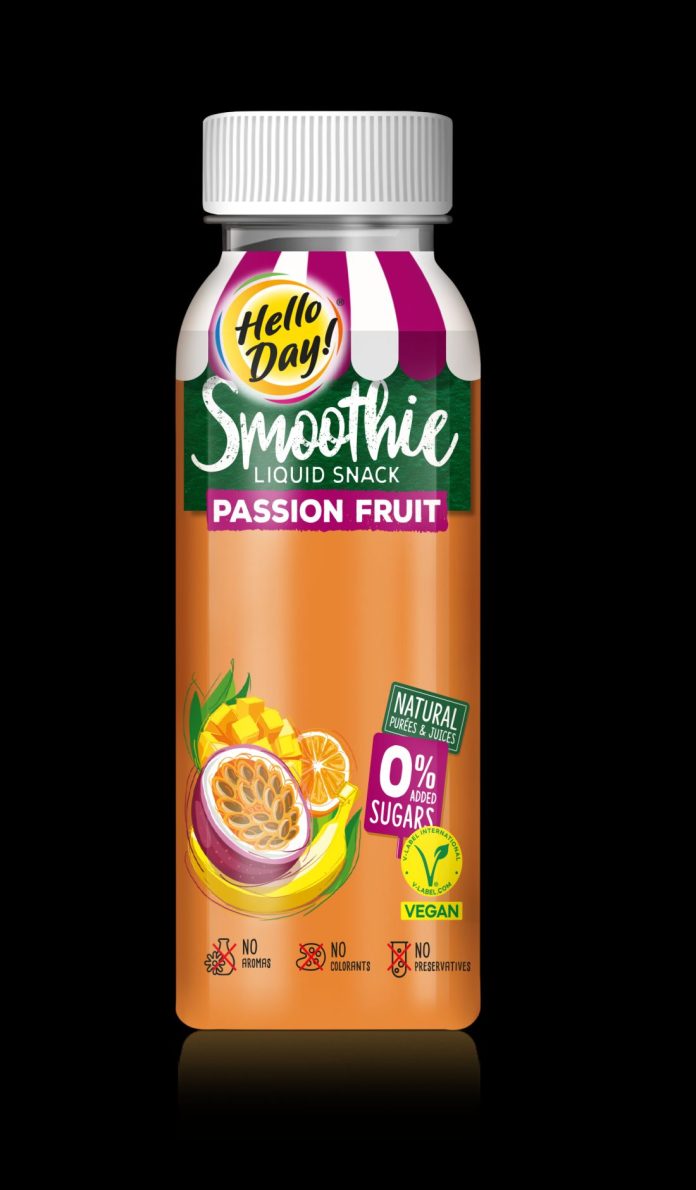
The VEGAN sign is the world’s most recognized label in the vegan food segment. It provides a dependable guide for consumers when shopping. It allows people who care about the right balance in their diet to choose products that are suitable for their lifestyle and do not contain animal ingredients.

As of June 2023, the organization’s V-Label, VEGAN category, is also on three flavor versions of Hello Day! Smoothie – pineapple, passion fruit, mango. The creators of the label have more than 25 years of experience certifying products, which are analyzed by several experts in fields such as quality management, food technology and chemistry.

The requirements for the VEGAN mark are extremely strict. Granting us a license for Hello Day! Smoothie confirms their highest quality and high production standards – explains Jarosław Bańda, Communications Director.


Hello Day! Smoothie consists of simple, low-processed ingredients. Thanks to its uniquely thick consistency, it can successfully supplement the daily diet as a delicious and filling snack during the day. Agus’ innovative product responds to current trends and consumer expectations.

Indeed, it combines great taste and clean label. The smoothie consists only of natural, non- concentrated purees and juices and, an exceptional on the market, coconut cream. The drink is provided in a recyclable bottle that can be taken with you to work or, for example, packed in a child’s backpack for a second breakfast.

The packaging features a colorful awning, inspired by the American farmer’s market and French le marché, naturally evoking the idea
of a traditional grocery market offering food directly from farmers. This unique visual identity concept, which makes the products stand out from the competition on the store shelf, is a strategic selling tool.


The VEGAN certificate and logo are an international symbol, which is extremely important to us. Our smoothies are available in many foreign markets. To expand our sales network, we are constantly looking for new business partners, offering them a branded product of the highest quality and attractive terms of cooperation. The VEGAN logo is our other differentiator.

  • Jarosław Bańda adds.
    Hello Day! Smoothie is produced in aseptic processing technology, creating shelf-stable beverage, which does not need refrigeration, with a long 12-month shelf life. Its logistics does not require controlled temperature, which has a significant impact on cost optimization in the
    supply chain. In stores, smoothies can be exposed in two shopping areas: on shelves and in refrigerators, fully complementing the grocery offer and the “to go” category.

Additional information:
The criteria that Hello Day! Smoothie had to fulfill to be certified as VEGAN:

  • No ingredients of animal origin were used at any stage of production. This also applies to additives, excipients, and flavorings. The audits do not end with the list of ingredients, but even include substances that do not have to be declared on the package like biotechnological culture media or supporting substances.
  • All production stages must be carefully designed so that unintentional signs of non-vegan or non-vegetarian substances in the final product are kept to a minimum.
  • No animal tests have been and will be conducted for the resulting product, as well as for individual ingredients, excipients and other substances used for production, if they have been developed for the final product.

Tinubu’s Agenda, Beginning Of A New Era Says Okumagba

Let The Poor Breeef, Don't Suffocate Them

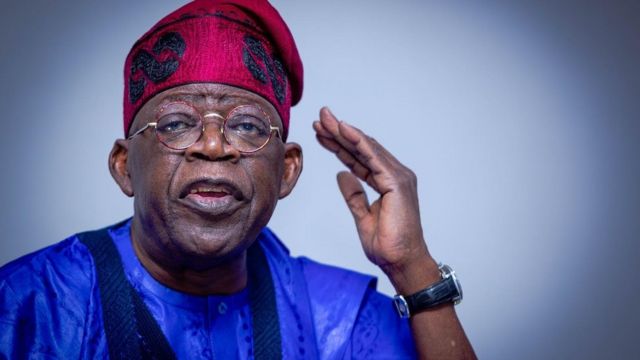
Olorogun Bernard Okumagba, a representative of Delta State on the Niger Delta Development Commission’s Governing Board, said President Bola Ahmed Tinubu’s inaugural speech “showed his firm and unequivocal commitment to progressive good governance in furtherance of the Nigerian ideal, succinctly captured in his five governance principles.”

The NDDC Commissioner, a well-known APC figure in Delta State, praised Tinubu’s pledge to address the country’s economic issues as well as his instruction to the monetary authorities to make monetary policy more business-friendly and work toward a single exchange rate.

This was said in a statement that he personally signed and that was made accessible to journalists on Tuesday in Warri, Delta State.

In the statement, Tinubu was praised for his progressive plans for the country and the incoming administration was wished “every success in leading our nation towards stability, true democratic governance, and economic development.”

Okumagba stated that Tinubu “will bring these remarkable skills and attributes to bear in renewing the hopes of Nigerians for a more prosperous nation” due to his well-established reputation as a bridge builder, a true progressive, an astute supporter of true federalism, and someone who has over the years made sacrifices to ensure the survival of democracy in the country.

He also expressed his gratitude for Tinubu’s substantial contribution to finding answers to Nigeria’s political and economic problems. The maintenance of a succession pipeline has since made Lagos the state of choice to live in, work in, and play in, as Okumagba recounts President Tinubu’s extraordinary transformation of Lagos State during his tenure as Governor between 1999 and 2007.

“I look forward to your tenure marked by peace and prosperity of our country through an inclusive national reconciliation process; remarkable focus on confronting insecurity through a reform of the sector; growing the economy; and tackling multidimensional poverty, which would boost Micro Small and Medium Enterprises and thereby create a robust middle class that will drive our Country’s economic rebound under your watch,” he said.

Recalling that Tinubu had stated that the new administration’s guiding principle was to “govern according to the constitution and the rule of law; to defend the nation from terror and all forms of criminality that threaten the peace and stability of our country; and to remodel our economy to bring about growth and development through job creation, food security, and an end to extreme poverty,” Okumagba came to the conclusion that the guiding principle is consistent with the constitution.

President Tinubu Arrives At The Aso Villa Office

Let The Poor Breeef, Don't Suffocate Them

President Bola Tinubu arrived at his office at the Aso Rock Villa in Abuja on Tuesday afternoon, just 24 hours after being sworn in.

At least 40 Heads of State were hosted by the President on Monday afternoon at the Banquet Hall, and he didn’t return to work at his office until Tuesday (today).

Tuesday at 2:38 p.m., Tinubu’s motorcade arrived at the Villa’s forecourt where he was met by Vice President Kashim Shettima, Speaker of the House of Representatives Femi Gbajabiamila, Governor of the Central Bank of Nigeria Godwin Emefiele, CEO of the Nigerian National Petroleum Company Limited Mele Kyari, and Permanent Secretary of the State House Tijjani Umar.

Others include Hon. James Faleke, Mr. Dele Alake, and the former Lagos State Commissioner for Finance, Mr. Wale Edun.

The new Commander-in-Chief examined the Quarter Guard at the presidential gate before he entered.

Following Tinubu’s first meeting today, the presidency is anticipated to name the chief of staff, secretary to the government of the federation, national security adviser, and spokesperson for the new administration.

BizWatchNigeria.Ng
Privacy Overview

This website uses cookies so that we can provide you with the best user experience possible. Cookie information is stored in your browser and performs functions such as recognising you when you return to our website and helping our team to understand which sections of the website you find most interesting and useful.