







Home Blog Page 578

Let The Poor Breeef, Don’t Suffocate Them

Let The Poor Breeef, Don't Suffocate Them

By Kindness Udoh

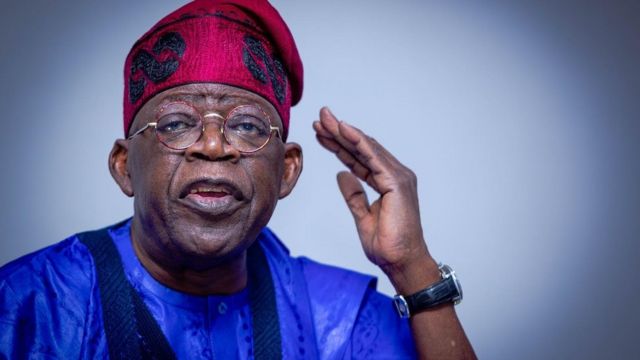
If you’re active on social media, you may have come across the viral appeal that is this newsletter’s headline. In case you weren’t informed, the recent occupant of Aso Rock, Bola Ahmed Tinubu, while addressing journalists, made an emphatic call to, “Let the poor breeef”.

The power of social media has enabled the quick adoption of that statement into the everyday lingo of many Nigerians, irrespective of the context. This reminds me of the election season, back-to-back hit statements.

Remember “is it for agbado?”?

Anyway…

That video was recorded on May 29, 2023, the day Tinubu swore his oath as president. He was on a tour of his new crib, Aso Rock. His tour guide? Sai Baba, Mr. Buhari. If you look past the political poker face he had on, Tinubu was basically entreating the political elites to take their legs and knees off the necks of Nigerians.

Where are those knees now?

Still on the necks of Nigerians. The pressure only intensified merely a day after that the call to “let the poor breeef” was issued. On inauguration day, Tinubu declared, “Fuel subsidy is gone”. That kicked-off the oxygen-choking exercise. Fuel price skyrocketed. And as the norm, water leaf saw an increase in price because “fuel don cost”.

In Tinubu’s defense, here’s his justification for doing so, “We shall instead re-channel the funds into better investment in public infrastructure, education, healthcare and jobs that will materially improve the lives of millions.”

Not bad at all, because for a long time, the previous governments have made moves to cancel the sham that is fuel subsidization, but as it is with governance in Nigeria, the greediest prevails. However, the gripe with the removal is the manner in which it was done, especially seeing as it came at a very high cost, not to the government (God knows the three arms know no cost) but to the people.

Don’t suffocate the poor

It didn’t end there. The incumbent administration signed off another policy that would deliver another blow to the oxygen supply of Nigerians: The Students’ Loan Act. While some praised the initiative, many have described it as ill-conceived and have asked for a review of the policy or even discard it altogether.

With that policy, many poor Nigerians who couldn’t afford the luxury of education on a subsidized education system will now kiss the opportunity to that access goodbye. The requirements to access the loan is enough to render a lot of applicants ineligible. Here’s the argument of a civil society group – Education Rights Campaign (ERC):

“By virtue of the Minimum Wage Act 2019, the lowest paid worker in Nigeria is meant to take home nothing less than N30,000 per month. Now if you divide N500,000 by 12 calendar months, it will give you N42,000 as the maximum income the family of a beneficiary must have.

“By saying family, it is logically inferable that the Act means the salary of not one but both parents. Therefore by virtue of the Minimum Wage Act, the lowest family income of two parents should be nothing less than N60,000 on a monthly basis which would be N720,000 per annum – an amount that is far above the threshold contemplated in the Act.

“What this means is that the children of the lowest-paid worker will not be able to access this loan. If low-paid workers do not qualify as poor in the wisdom of the drafters of this legislation then who exactly is poor in this country? What rationale did the drafters of this legislation use in determining the criteria for qualification?”

The pressure is getting wesser

While still recovering from the news of the Student Loan Act, Nigerians received another news of salary increase for Tinubu, his vice, Shettima, governors, judges, and other political office holders by 114 percent.

Although not outrightly debunked by Tinubu, the presidency (in Nigeria, president and presidency are seemingly two different bodies) has said that the news is untrue. In this country, has there ever been a rumor that has no truth in it?

Nigerians, are you still breeefing?

“God bless PD…APC”.
READ ALSO

CBN Pledges Continous Support For Bill Gates

CBN Pledges Continous Support For Bill Gates

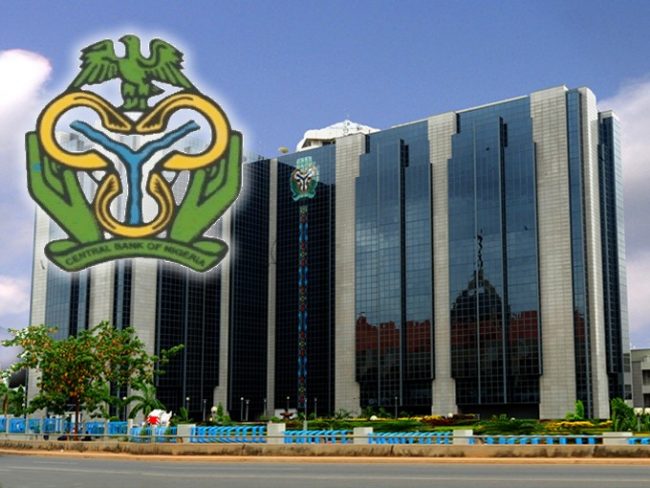
The acting Governor of the Central Bank of Nigeria (CBN), Folashodun Shonubi has said the apex bank would continue to collaborate with the Bill and Melinda Gates Foundation (BMGF) and other development partners to explore innovative solutions for driving access to finance.

Speaking in Abuja, during the duo’s strategic engagement over the weekend, on how to deepen collaboration on financial inclusion in the country, Shonubi, who was accompanied by the CBN Deputy Governor, Financial System Stability (FSS), Aishah Ahmad, pointed out that though much progress had been made in various aspects of financial inclusion, some challenges still remained in attaining the desired level of financial inclusion in Nigeria.

He, therefore, called for greater partnership between the bank and the foundation.

Speaking during the meeting, Shonubi, reiterated the commitment of the CBN to continually partner with BMGF and other development partners to explore innovative solutions for driving access to finance.

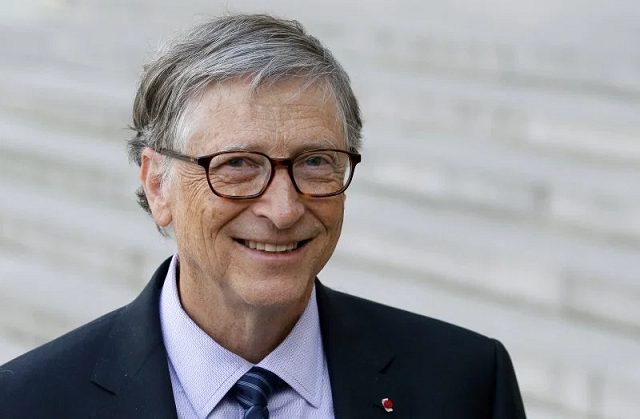
In his remarks, the co-chair of the foundation, Mr. Bill Gates highlighted the foundation’s focus areas for continued engagement in Nigeria to include health, agriculture, and financial services.

Gates expressed satisfaction that support from his organisation was catalysing developmental action in the country.

While acknowledging that there were still challenges and gaps, he expressed optimism that the country would witness better outcomes given the new economic and monetary policies currently in place.

The foundation has supported financial inclusion in the country since 2012 and had been a strategic partner of the central bank in driving innovation to reach excluded segments of Nigeria’s population with financial products and services.

According to a statement issued by the bank, the partnership has brought about strategic initiatives including the Nigeria Financial Services Maps, a gateway for geospatial mapping of access points, the development of the National Financial Inclusion Strategy in 2012 and a revision in 2018, research into financial exclusion, scoping of digital financial services in Nigeria, and many more activities that help accelerate access to financial services.

Gates was accompanied by the President, Global Development, BMGF, Christopher Elias, and Senior Programme Officer, BMGF, Abi Jagun. Other members of the CBN team included Director, Development Finance, Mr. Philip Yila Yusuf, and Head, Financial Inclusion, Dr. Paul Oluikpe.

Nigeria’s Debt Rises By N3.6trn To N49.85trn

Nigeria's Public Debt Now At ₦46.25bn - DMO

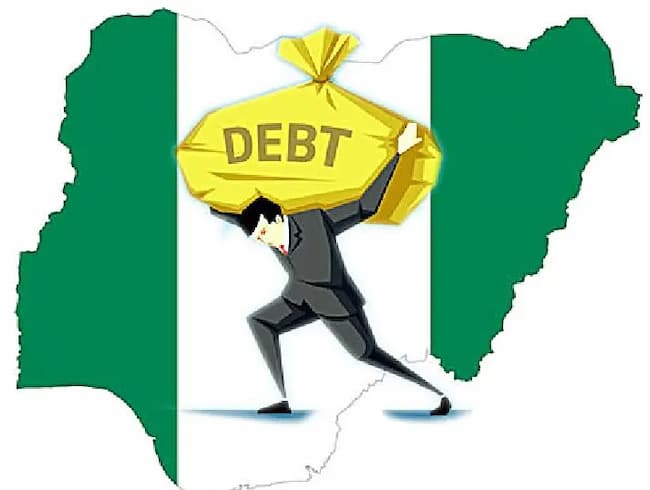
Nigeria’s total public debt has increased to 49.853 trillion Naira, or $108.3 billion, the Debt Management Office (DMO) said in a report. This is over N3 trillion since the December 2022 record.

In a report posted on its official website, the DMO said the total debt includes foreign and domestic debt of the federal government, 36 states and the Federal Capital Territory (FCT). This represents a significant increase compared to the total national debt of Naira 46.25 trillion ($103 billion) in the previous period to 21 December 2022.

The agency said the official CBN exchange rate of 31 March 2023, US$1 to Naira 460.35, will be used when converting the domestic debt into US dollars. However, it noted that the total debt amount did not take into account the federal government’s Central Bank of Nigeria (CBN) revenue advances of NGN 22.719 trillion, which was approved for securitization by the parliament in May.

The DMO said the “hows and means” will be on the federal government’s debt inventory starting in June. Meanwhile, the DMO recently released the Market Access Countries Debt Sustainability Analysis (MAC-DSA) to promote transparency.

MAC-DSA is a World Bank/IMF best practice tool for sovereign debt management that has been adopted and implemented by DMOs for many years. According to the DMO, this is an annual exercise with the participation of key federal officials. These bodies include the CBN, the Federation Budget Office, and the Federation General Accounting Office (OAGF). Others include the National Bureau of Statistics (NBS) and the Federal Ministry of Finance, Budget and National Planning.

DMO Executive Director Patience Oniha said his recent DSA report highlighted the need for increased revenue to keep government debt sustainable. Oniha said the recently released DSA report for 2022 also emphasized the need to increase government revenues.

He praised some of the current government’s recent actions that have helped improve debt sustainability. “Measures such as the elimination of the Expenditure Management Subsidy and the focus on revenue through the appointment of the President’s Special Adviser on Revenue are positive steps for fiscal sustainability,” Oniha said.

Lagos Govt Unveils Shelter For Domestic Abuse Survivors

Lagos Govt Unveils Shelter For Domestic Abuse Survivors

The Lagos State government’s Domestic and Sexual abuse Agency (DSVA) on Sunday unveiled the “Eko Haven,” a shelter for domestic abuse survivors. This is part of the state government’s commitment to providing survivors of Sexual and Gender-Based Violence with comprehensive support.

Titilola Vivour-Adeniyi, DSVA Executive Secretary, disclosed at the opening that the shelter, located in Lagos’ Ikorodu axis, has a 30-bed capacity to provide immediate shelter services to high-risk survivors of domestic abuse.

She stated that the opening of the shelter was the State government’s quick response to the growing demand to ensure the preservation of life, safety, stability, empowerment, and, ultimately, the reintegration of survivors back into society.

“The establishment of Eko Haven is in keeping with the DSVA’s statutory mandate of establishing shelters across all Divisions of the State.

“With this intervention, it is our hope that survivors in abusive relationships would find the courage to break the culture of silence, speak up and speak out with the assurance that help is just a call away,” Vivour- Adeniyi said.

“Asides from providing accommodation, health, psychosocial support as well as livelihood support would also be integrated and made available for survivors through Eko Haven.

“Our compassionate staff would offer comprehensive support to help survivors address their trauma through empowerment activities, personal and legal advocacy and in-house psychosocial support.

“The shelter is hosted at a confidential location with on-site security precautions and a gated entry.”

READ ALSO

Road To 100: Ariston Group Presents Its New ESG Roadmap To 2030

Road To 100: Ariston Group Presents Its New ESG Roadmap To 2030

Ariston Group, among the global leaders in sustainable thermal comfort, presents its ESG vision and goals to 2030 within Road to 100, a strategic plan manifesto of the group’s commitment to sustainability.

The thermal comfort industry is at the heart of the energy transition: buildings account for nearly one third of global final energy consumption and, more specifically in Europe, in the residential sector, 62.8% of the energy consumption stems from space heating and 15.1% from water heating.

Within this scenario, Ariston Group, which operates in the industry exceeding 3 billion euros in revenue[2], plans its future by striving to fully integrate sustainability into its corporate strategy and defines a path of activities and initiatives aimed at achieving concrete yet ambitious sustainability targets.

“As a company, we feel a strong responsibility to address the great challenges of our time head on. The 100th anniversary of Ariston Group occurs in conjunction with the terms of the 2030 Agenda for Sustainable Development, and we look at this milestone as an opportunity to reaffirm the role we want to play in actively contributing to the sustainability of future economic, social and environmental ecosystems. We work to create long-term value for our stakeholders, while committing every day to link our sustainable growth to the future of the Planet.” – said Paolo Merloni, Executive Chairman of Ariston Group.

THE 5 ENGAGEMENT AREAS

Road to 100 results from a structured process that involved the group’s main internal and external stakeholders in identifying five different areas of engagement:

  1. Solutions;
  2. Operations;
  3. People & Communities;
  4. Customers;
  5. Governance.

These five areas translate into ESG commitments the group’s five corporate values: Believe in sustainability; Inspire through excellence; People come first; Start from customers; Act with integrity.

To reduce its carbon footprint, Ariston Group sets specific goals: achieving the ultimate objective of 100 million tons of CO2e emissions avoided by 2030 thanks to its renewable and high-efficiency solutions sold, abating by 42% its Scope 1 and Scope 2 emissions, and reducing by more than 50% its Scope 3 emissions per million euro of value added.

As 98.25% of its CO2e footprint is associated with the emissions produced by the use that households and businesses make of its sold products, Ariston Group continues to invest in technological innovation to expand its range of renewable and high-efficiency smart Solutions and make available to its customers state-of-the-art heat pumps with natural refrigerants, hybrid and hydrogen products, and cutting-edge technologies such as Demand Response and Home Energy Management.

In the meanwhile, Ariston Group works to mitigate the impact of its Operations by enhancing resources productivity, progressively implementing a circular approach, as well as engaging responsibly with its supply chain.

Ariston Group’s pledge to sustainability also encompasses the social sphere. The group takes excellent care of its People and the Communities it operates in, and undertakes to ensure a sustainable working environment to all its employees worldwide and to raise global awareness on the importance of thermal comfort for a sustainable living.

At the same time, being able to anticipate its Customers’ needs remains at the core of the Ariston Group’s efforts: guaranteeing maximum proximity while providing professionals and consumers with trustworthy quality products are confirmed as the key pillars of Ariston Group’s serving policy.

Eventually, Governance is considered as a fundamental business longevity enabler and Ariston Group focuses on adhering to the highest standards and best practices, to continue to make progress in diversity, pay equity, risk management, tax strategy and business conduct.

SUSTAINABILITY AS A BRIDGE TO THE FUTURE

Sustainability, in its broader sense, is inscribed in Ariston Group’s DNA and rooted in the culture of founder Aristide Merloni, who believed that there is no value in the economic success of any industrial initiative unless it is accompanied by a commitment to social progress.

In 1979, Ariston Group was the first company in Italy to release a Social Report, published by the Battelle Centre de Recherche de Geneve: a document reporting on the company’s social and sustainability performance towards its employees, consumers, local communities, and other partners.

From over 15 years, Ariston Group’s vision has been “Sustainable Comfort for Everyone” and in 2018 the group began to consolidate and publish its non-financial results on a voluntary basis.

From 2021 onwards, as a listed company, Ariston Group has increasingly sharpened its commitment to sustainability.

With Road to 100, its strategic manifesto, today Ariston Group renews its ambitions and further refines its objectives to project bridges towards its future.

READ ALSO

Stanbic IBTC Nominees Recognised As Global Finance’s 2023 Best Sub-Custodian Bank In Nigeria

Output Returns To Growth, But Cost Pressures Limit Demand - Stanbic IBTC

Stanbic IBTC Nominees, a subsidiary of Stanbic IBTC Bank, has been honoured with the prestigious Best Sub-Custodian Bank Award in Nigeria at the 2023 Global Finance Awards.

This feat marks the 15th time the Bank has received this esteemed honour, reaffirming its commitment to providing innovative and efficient services to clients worldwide.

The award recognises Stanbic IBTC’s dedication to customer relations, service quality, competitive pricing and compliance with local regulations and practices. The evaluation period for this award spanned from 01 January 2022 to 31 December 2022 and incorporated feedback from users of the Bank’s Sub-Custodian services.

Standard Bank Group, one of Africa’s largest banks and the parent company of Stanbic IBTC Holdings, also received the Best Sub-Custodian recognition in Botswana, Kenya, and Mozambique, demonstrating exceptional performance in several markets.

Babatunde Majiyagbe, Chief Executive, Stanbic IBTC Nominees, expressed his delight at receiving the award and attributed it to the organisation’s commitment to leveraging cutting-edge technology and delivering superior client satisfaction. He expressed gratitude to clients for their trust and confidence in Stanbic IBTC Bank PLC and assured them of the Bank’s unwavering dedication to providing the best custodial and investor services on the continent.

Stanbic IBTC Bank PLC holds a prominent position in the Nigerian market and is a leading provider of financial services to individuals, businesses, and institutions in the country. The Bank actively contributes to Nigeria’s economic growth and development and has played a pivotal role in numerous landmark transactions in recent years.

With its team of highly skilled and experienced professionals, Stanbic IBTC Bank PLC is well-equipped to continue delivering exceptional services to its clients and spearhead innovation in Nigeria’s capital market and financial services sector.

READ ALSO

Stanbic IBTC Supports Nigerian Farmers To Boost Value Chain

Output Returns To Growth, But Cost Pressures Limit Demand - Stanbic IBTC

To support a small-scale agribusiness and improve their agricultural yield, Stanbic IBTC Bank, a subsidiary of Stanbic IBTC Holdings, has increased the capacity of Nigerian agro-firm, Huetha Global Services, to supply agro resources for soil improvement and enhanced agricultural production.

According to Salem Ahenjir, CEO of Huetha Global Services Limited, the Bank’s customer-centric agribusiness solutions and trust in the capacity of Huetha Global Services Limited have significantly contributed to its growth and expansion.

Salem said, “Our relationship with Stanbic IBTC dates back to 2012, and we have worked together to improve our financing for agro-inputs and increase our value chain capacity. Stanbic IBTC Bank offers the opportunity to off-take various commodities farmers produce from their farms. This way, we improve the agricultural value chain across touchpoints.

“We access financing for fertilisers and increase our support to farmers. Fertilisers have become a high price commodity which makes it difficult for farmers to access, but through our relationship with Stanbic IBTC Bank, we can timely deliver fertilisers to farmers at the best price.”

Wole Oshin, Head, Agribusiness, Business and Commercial Clients, said Stanbic IBTC offers various agribusiness solutions that cut across every aspect of agricultural practice. He stated that the solutions are structured to support the country’s import substitution objectives and ensure profitability for businesses.

Oshin said, “Our agribusiness solutions are customised to suit our client’s business needs. We proffer solutions to players in the agribusiness sector for affordable and flexible funding from the vehicle and farming equipment to seed level, harvesting, processing, and distribution.”

Oshin assured customers of Stanbic IBTC Bank’s willingness and availability to partner with them for sustainable growth and expansion in the agricultural value chain.

“Agriculture is a critical part of the economy and critical for food security. We are always ready to partner with business owners, in and out of season,” Oshin said.

Stanbic IBTC’s agribusiness offers versatile, affordable gap-funding solutions for vehicle and farming equipment, unforeseen financial needs, cash flow maintenance, and flexible repayment terms.

For further information on the Stanbic IBTC Agribusiness Finance, visit here.

READ ALSO

Dollar To Naira Exchange Rate Today (Mon. Jun. 26, 2023)

Dollar To Naira Exchange Rate Today (Thur. July. 20, 2023)

Dollar to naira, on Monday, June 26, 2023, opened at (undisclosed) at the Investors & Exporters FX window ( I&E FX Window), where the currencies officially trade.

According to the data at the FMDQ Security Exchange where forex is traded officially, the dollar to naira exchange rate stood at (undisclosed).

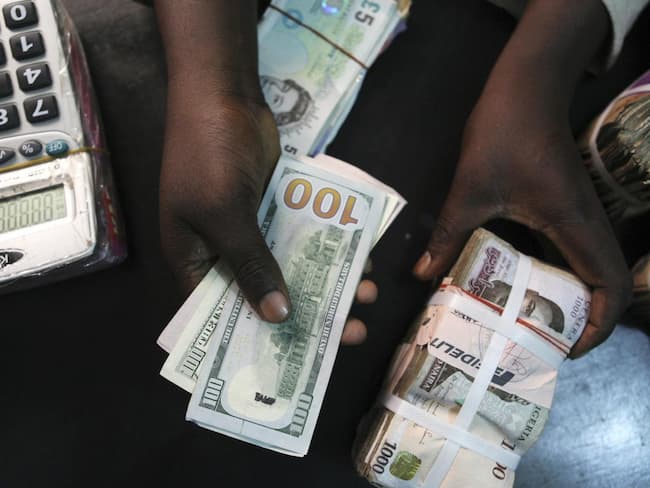
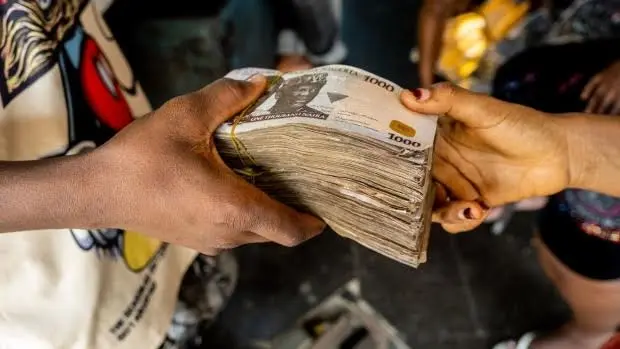
This would mean that the Nigerian currency either gained or lose in value against the United States dollar, as the foreign exchange (forex) trading closed at ₦770.17 per $1 on Friday, June 23.

How much is the dollar to naira at the black market today?

Going by sources at the Bureau De Change (BDC) in Lagos, the dollar to naira last exchanged between ₦763 and ₦768 with an average of ₦765.50 in the black market in the state.

It is, however, pertinent to note that the Central Bank of Nigeria (CBN) does not recognise the parallel market (black market), as it has directed individuals who want to engage in forex to approach their respective bank.

CBN Orders Banks To Regularly Monitor Political Appointees’ Accounts

CBN Lifts Ban On Aboki FX, 439 Other Accounts

The Central Bank of Nigeria, CBN, has ordered banks and other financial institutions in the country to regularly screen accounts of Politically Exposed Persons.

It stated this in its circular to banks and other financial institutions on Friday titled, ‘Guidance notes on Politically Exposed Persons’, which was signed by the Director, Financial Policy and Regulation Department, Chibuzor Efobi.

In the circular, it stated that, ““PEP accounts should be subject to periodic reviews as may be determined by the FI in line with risk assessment.

“Frequency of the periodic reviews should be determined by the risk of the customer and documented appropriately. FIs should also review their PEP database frequently.”

It added that, “On a regular basis, transactions and account activities should be monitored and scrutinised for money laundering/terrorist financing/ proliferation financing risks.”

The CBN explained domestic PEPs to be those entrusted with prominent public positions in Nigeria, while those entrusted with prominent public positions in any other foreign jurisdiction were foreign PEPs.

It noted that in view of the corruption level in Nigeria, domestic PEPs were rated highly vulnerable to financial risks, therefore, by default, most domestic PEPs were considered high risk.

Foreign PEPs and PEPs with prominent functions in international organisations should be categorised based on the level of risk as assessed by financial institutions, it stated.

The CBN said customer due diligence should continue after establishing a relationship with the customer.

“The behaviour of the customer, transactions and accounts should be in line with the expected level of activity. Ongoing monitoring is crucial as a customer risk profile may change over time.”

The CBN stated that financial institutions, in the ordinary course of their businesses, established business relationships with PEPs, who may be vulnerable to corruption and portend reputational and financial crime risks to the FI.

PEPs, it stated, posed a high risk of money laundering, financing of terrorism and proliferation financing due to the possibility that individuals holding such positions may misuse their power and influence for personal gain or advantage to themselves, close family members and associates.

The CBN said, “Such individuals may also use their families or close associates to conceal illicit funds and assets.

“In addition, they may also seek to use their power and influence to gain representation and/or access to, or control of, legal entities for similar purposes.”

JAMB Unveils Cut-off Mark For University Admission

Mmesoma Pleads With JAMB For Manipulating Results

The Joint Admissions and Matriculation Board (JAMB) has established a cut-off score of 140 and above for admissions to universities across the country in 2022/23.

The Registrar of the Board, Prof. Is-haq Oloyede, revealed this on Saturday during a presentation at the 2023 Policy Meeting on Admissions to Tertiary Institutions and Awards in Abuja.

Oloyede further stated that the board had authorized a cut-off score of 100 for polytechnics and colleges of education.

However, the JAMB Registrar stated that universities are free to set their own cut-off marks, but no university will admit any candidate who scores below the 140 mark.

At the policy meeting, the Federal Government also charged JAMB with upholding the integrity of the test at all times.

According to David Adejoh, Permanent Secretary, Ministry of Education, a compromised test system will have a severe influence on the nation’s workforce.

READ ALSO

Nigerian Vocal Stars Battle For Victory In The Voice Africa

Nigerian Vocal Stars Battle For Victory In The Voice Africa

Airtel Nigeria, a leading provider of telecommunications and mobile money services, is calling on music fans to get behind the nation’s aspiring stars currently competing in The Voice Africa, the TV showcase for Africa’s top vocal talent.

Ojike Ifeanyi Emmanuel (Nuefy), Elvis Ejiro (Elvis Who), Elvis Ejiro (Clark McColl), and John Akpors have successfully made it through to the highly contested ‘Battle Round’ stage of the prestigious competition, which has been ongoing from the 4th June. In the battle rounds, each of the four celebrity Coaches went in with a team of 14 talents, with Lady Jaydee, Locko, and Yemi Alade as celebrity Coaches.

The Coaches will select individuals from their groups to compete against each other by performing the same song. They will need to deliver a stand-out performance and display their superstar quality for their Coach to advance them to the next round, known as the ‘Knockouts’.

The show will go on a one-week intermission on 3rd July and return hotter than ever on 9th July with the Knockouts. This stage of the competition will feature a reduced pool of 32 talents from across the continent, who will compete head-to-head to impress their coaches for a chance to stay in the show.

24 talents from the knockouts will go into the lives, a stage which will see audiences voting to save their favorite talents. The grand finale will be broadcast on 24th September, and the winner of The Voice Africa revealed, walking away with the grand prize of USD 100k and a recording contract with EmPawa music.

The Voice Africa premiered in March 2023 across 14 markets in Africa, and Airtel Africa is the title sponsor of the show. Africa’s version of the global award-winning talent show, The Voice, is available on Airtel TV and free to air TV stations. The Voice Africa has already attracted considerable buzz and excitement, as a launchpad for the next generation of Africa’s musical talent.

Ismail Adeshina, Airtel Nigeria Marketing Director, said: “Our nation’s exceptional vocal talent has an incredible opportunity to be crowned The Voice of Africa.

“We are thrilled to provide a platform for them to share their talent with the world and urge the people of Nigeria to support them on their journey as they battle in Africa’s ultimate vocal showdown.”

To catch the latest action and entertainment from The Voice Africa, tune into Airtel TV or HipTV and Startimes.

READ ALSO

DMO: Nigeria’s Total Debt Hits N49.25tn

DMO: Nigeria's Total Debt Hits N49.25tn

The Debt Management Office has disclosed that Nigeria’s total foreign debt for the period ending March 31st, 2023, has risen to N49.85 trillion ($108.30 billion) from N46.25 trillion as of December 21st, 2022.

DMO revealed this in a statement released and shared on its Twitter handle.

According to the statement, the total public debt containing the external and domestic debts of the Federal Government, the 36 states, and the Federal Capital Territory was N49.85 trillion.

The DMO, however, added that the recently securitised Ways and Means loans of N22.719 trillion would be included as Federal Government domestic debt from June 2023.

Part of the statement read, “Comparatively, the total public debt stock for the preceding period, December 31, 2022, stood at N46.25 ($103.31 billion). During the period, there was an increase in the debt stock of the Federal Government, states, and FCT.

The Public Debt Stock for March 2023 does not include the FGN’s N22.719 trillion Ways and Means Advances of the Central Bank of Nigeria, whose securitization was approved by the National Assembly in May 2023. The amount will be included in the FGN’s Domestic Debt Stock from June 2023.”

Meanwhile, data released by the Central Bank of Nigeria (CBN) has revealed that the federal government spent $894 million to service foreign debt obligations from January to April 2023.

The export and international payment data released over the weekend showed that the federal government spent $ 112.35 million in January 2023, $288.5 million in February, $400.5 million in March, and a significant service of $92.8 million for the month of April.

However, the data revealed also that total direct remittances for the first four months of 2023 were $451.61 million.

Further breakdown showed that in January, $79.2 million was recorded, and in February, $83.76 million was recorded, while in March, $138.6 million was recorded, and in April. $159.04 million was recorded.

Nigeria Ranks in Top 10 Worldwide for Crypto Adoption- EMURGO

EMURGO Africa, in strategic partnership with PwC, today unveiled the “State of Web3.0 in Africa” report, a forward looking publication that provides an expansive and insightful analysis of the emergent influence of blockchain and Web3.0 technologies within Africa and the Middle East and North Africa (MENA) region.

Unearthing compelling statistics, the report casts a spotlight on the pivotal rise of blockchain investment within Africa. Blockchain funding soared by a stunning 1,668% in 2022 compared to the preceding year, accumulating a total of USD 91 million in countries like Kenya, South Africa and Nigeria. This heralds Africa’s burgeoning presence within the global blockchain arena.

Illustrating the impressive progress and latent potential of blockchain and Web3.0 technologies across Africa, the report paints a picture of Kenya’s forefront role in blockchain adoption and digital innovation. It showcases Kenya’s speedy growth in implementing blockchain solutions that stimulate economic development in East Africa. In South Africa, the report indicates the escalating adoption of Web3.0 and blockchain technologies that are revolutionizing industries via secure and transparent data management in Southern Africa. It also highlights Nigeria’s high-ranking position in the top 10 worldwide for crypto adoption, emphasizing the country’s role in propelling financial inclusion and nurturing innovation in the digital currency sector in West Africa. These findings underline the transformative effect of blockchain and Web3.0 technologies in Kenya, South Africa and Nigeria, establishing them as major contributors to the digital revolution unfolding across Africa.

The MENA region, concurrently, has been identified as the fastest-growing crypto market from 2021 to 2022, leading the digital revolution among users, regulators and crypto investors alike.

On the global stage, crypto regulation is evolving, with 40% of the 35 nations surveyed having instituted regulatory frameworks, 34% actively developing them, and a scant 9% enforcing outright prohibitions on cryptocurrencies. 

Despite the fact that Africa has thus far received a mere 0.5% of global blockchain funding, the continent’s commitment to Web3.0 technologies and digital currencies is poised to recalibrate its technological and financial landscape, paving the way for unprecedented financial inclusion and innovation.

Weakening local currencies coupled with fragile economic backdrops have created rapidly growing demand for USD-pegged stablecoins on the continent, as consumers protect their asset values from free-falling and owners of SMEs seek  cheaper and efficient ways of payment. This development is a testament to the burgeoning adoption of digital currencies and blockchain technology as practical solutions in  economically volatile environments.

Ahmed M Amer, CEO of EMURGO Africa, in a statement, emphasized, “Web3.0 technologies are already redefining the African digital landscape, offering innovative solutions to long-standing challenges and empowering individuals and communities across the continent. This report presents an in-depth exploration of the potential of these technologies to drive positive change, while highlighting the importance of fostering a collaborative environment between stakeholders, policymakers, and regulators to unlock the full potential of Web3.0.”

Compilation of the “State of Web3.0 in Africa” report marks a significant milestone, charting the course for understanding the opportunities, challenges and potential of blockchain and Web3.0 in Africa and the MENA region. It serves as an invaluable resource for industry leaders, policymakers, innovators, and all interested parties, offering profound implications for the future of these regions beyond mere statistics.

With 20% of Sub-Saharan African countries currently outlawing crypto-assets, and established data protection laws in countries like Kenya, Nigeria, Egypt, and South Africa, the report underscores the importance of a balanced regulatory approach in safeguarding individual privacy and protection.

Finally, the report accentuates the imminent impact of the metaverse on businesses. Based on PwC’s Metaverse Survey, an overwhelming 82% of executives anticipate metaverse integration within their business operations in the next three years.

For a comprehensive understanding and deeper insights, download the full “State of Web3.0 in Africa” report on our website – http://www.emurgo.africa/emurgo-africa-report-2023.

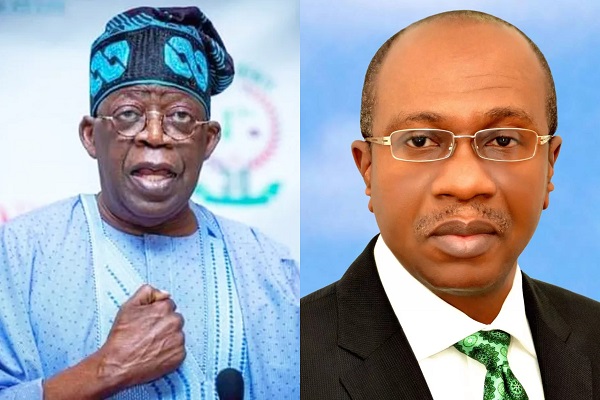
‘Our Financial System Was Rotten Under Emefiele’s Reign’ – Tinubu

‘Our Financial System Was Rotten Under Emefiele’s Reign’ -Tinubu

President Bola Tinubu has stated that the country’s financial system was “rotten” while Godwin Emefiele, the suspended governor of the Central Bank of Nigeria (CBN), was in charge.

Tinubu had suspended the CBN governor earlier this month and ordered an investigation into his office.

Emefiele has been in the custody of the Department of State Services (DSS) since then.

The president stated at an interactive session with Nigerians in Paris, France, that steps are being made to resolve the alleged irregularities committed by Emefiele.

“Then the financial system was rotten,” Tinubu said.

“Few people make bags of our money and then you yourself, you stopped sending money home to our poor parents. Several windows… but that is gone now, is gone.

“The man is in the hands of authorities, something is being done about that, they will sort themselves out.”

Tinubu stated that the petrol subsidy should be eliminated since it was enriching a few people.

“They thought it was the joke of the century until I called NNPC. We are tired of feeding smugglers, making a few people rich, and subsidising the next-door neighbour,” President Tinubu said.

“I met with the president of the Benin Republic today. Everybody is equal now, we are friends. We are conjoined twins joined by the hips, how we will separate each other is with this fuel subsidy.

“Let us see whether we will survive or not but we are going to survive you.

“You want money to increase palliative, transportation. What are you protesting about? Are you sharing part of the subsidy? If you protest, I will join you and protest against it. And they stopped. No protest,” he said.

“Palliative we will get but we have to save the money in order to embark on a palliative [measures].”

READ ALSO

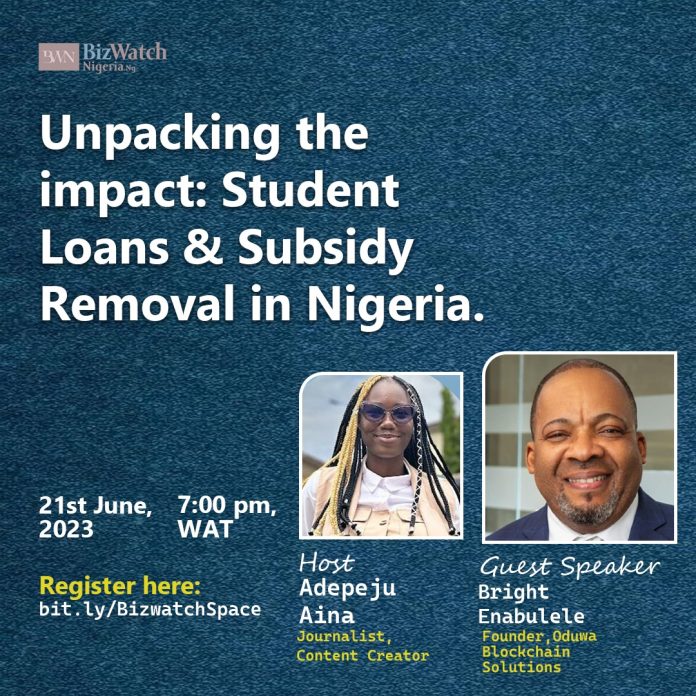
BWN Conversation: Unpacking The Impact Of Student Loans And Subsidy Removal

Unpacking The Impact Of Student Loans And Subsidy Removal

BizWatch Nigeria, a leading business media platform, had its monthly conversation on Twitter Spaces on Wednesday evening, looking into the pressing subject of student loans and subsidy removal.

The topic for BizWatch Nigeria’s conversation for June 2023 is “Unpacking The Impact Of Student Loans And Subsidy Removal”. The conversation which was moderated by BizWatch Nigeria’s Adepeju Aina had a lot of attendance including experts such as Bright Enabulele, the founder of Oduwa Blockchain Solutions, and Timi Ajayi, the co-founder of and CEO of Riltee.

Student loans

The conversation began with a discussion of student loans and their impact on educational access and debt.

While the participants acknowledged that, although student loans could offer financial assistance/relief to students of public institutions, they might also leave them with a significant debt following graduation.

Some of the participants praised the Federal Government (FG) for approving the bill while some other participants questioned the efficiency of the bill.

  • How effective is the bill?
  • Will there be enough resources to go around all the public tertiary institutions?
  • Will the system be transparent?
  • Will jobs be provided for students to reduce the weight of the debt?

Concerns were also raised about the requirements for accessing the loans.

Subsidy removal

The effect of subsidy removal has been witnessed by thousands of Nigerians. The inflation rate jumped to 22.4% in the month of May which is higher than the figure recorded in April as released by the National Bureau of Statistics (NBS).

At the BizWatch Nigeria’s Conversation, the impact of the subsidy removal was discussed. Ever since the removal of the subsidy was announced on May 29, 2023, by President Tinubu a lot has changed.

The removal was like a ripple effect that touched a lot of things, transport, food, commodities amongst other things. The price of fuel went up and there was a scarcity which generated a lot of queues which caused traffic.

While some of the participants praised the government for removing the subsidy, they called on the government to properly allocate the resources and curb oil theft.

Just as in other discussions hosted by BizWatch Nigeria, solutions were provided. Some of them are;

  • Exportation: Federal government should find avenues to increase Nigeria’s exportation rate and reduce the rate of importation.
  • Agriculture: Nigeria needs to focus more on agriculture, this will increase the revenue, and lower poverty, and food scarcity.
  • Transportation and road: The transportation system should be worked on as well as well as the roads.
  • Taxes: Tax is a significant source of revenue for the government which is used to build infrastructure and used to better the nation.
  • Corruption: As addressed during the conversation, corruption is one of Nigeria’s major problems. Nigeria loses a lot of money, and resources to corruption.
  • Dependency on oil: The dependency on oil by Nigeria is another major problem, without petroleum oil what does Nigeria have to fall back on? The government and its people have to reduce their dependency on oil and its revenue.
  • The requirements for the student loans should be made easier.
  • Transparency: The process for the student loans as well as other governmental procedures should be transparent. The government needs to be held accountable and they can start by being transparent.
  • Policies: Policies need to be created and enforced.
  • Employment: The unemployment rate should be addressed, and the government should consider solutions and make jobs available in order to help youth secure jobs. Especially those will loans to pay back; without a job, the student loans will see a lot of defaults.
  • Government spending: Government spending should be reduced and the resources should be channeled rightly.

More importantly, we need to have a positive mindset and support the government.

The Twitter Spaces discussion on the impact of student loans and subsidy removal byBizWatch Nigeria provided excellent insights into the complexities surrounding these policies. The discussion stressed the importance of taking a comprehensive approach that takes into account the interests of students, educational institutions, and the economy as a whole.

The discourse led to a wider understanding of the difficulties and potential solutions in the field of higher education financing by deconstructing the ramifications of these policies and proposing meaningful ideas.

READ ALSO

Norfund Invests In OH Ecosystems To Create Jobs In Cocoa Processing In Nigeria

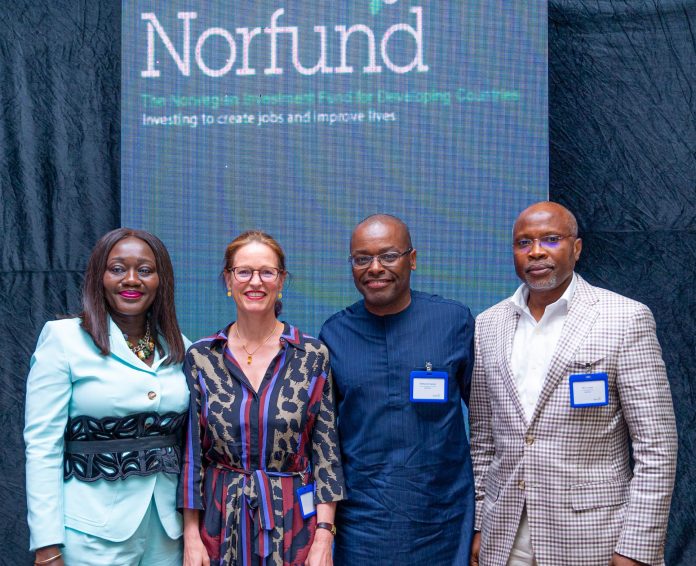
Through an investment of USD 12 million in OH Ecosystems Ltd (“Eco”), Norfund, the Norwegian Investment Fund for developing countries, aims to create jobs in Nigeria, while contributing to addressing some of the challenges in the cocoa value chain.

OH Ecosystems Ltd (“Eco”) builds and operates cocoa processing and confectionery businesses on the African continent. Eco has successfully acquired a majority stake in FTN Cocoa Processors PLC (“FTN”)—a publicly traded company based in Ibadan, Nigeria.  With 20,000 metric tons of installed capacity, FTN transforms cocoa beans into semi-finished products (cocoa liquor, butter and powder) for commercialization to global and local clients. Prior to this investment, FTN had been dormant and underutilised for several years.

Norfund’s investment will upgrade FTN’s operating facilities and extend its reach to produce and sell additional products into the cocoa supply chain.  Eco is supported by established leaders in the global cocoa chain including Niche Cocoa Industry Ltd, Africa’s largest indigenous cocoa processor, who will serve as technical partner.

Increasing the share of cocoa processed locally  

At 4 million metric tons per year, West Africa produces more than 75% of the world’s cocoa.  In 2021 Nigeria produced 290,000MTs, ranking 4th behind Cote d’Ivoire, Ghana, and Cameroon.  Unfortunately, more than 70% of West Africa’s cocoa is exported as raw material with no significant value addition.  Norfund’s investment directly supports the increase of local, value-added transformation leading to quality job creation, local tax revenues, and foreign exchange for West Africa’s cocoa-producing countries.  The investment furthers Norfund’s strategy to help create sustainable, scalable businesses in Sub-Saharan Africa that promote value addition at origin.

“Increasing the share of raw materials that are processed locally can create a large number of jobs that give the fast-growing population of Nigeria the opportunity to work their way out of poverty, and we are confident that this investment can contribute to this,” says Obafemi Awobokun, Investment Manager at Norfund.

“We are thankful for Norfund’s partnership as we focus on building out value-add production in Nigeria.  Having partners who are aligned over the long-term on both the financial and social impact of our work is extremely important.  Together, we can contribute to Nigeria’s agricultural manufacturing with a focus on financial sustainability for farmers in the value chain.”  says Nathaniel Durant, Managing Director of Eco.

“This is a strategic alliance come through that will help FTN sew up her pursuit of conversion of cocoa beans, job creation, contribution to the economic diversification goals of the government, delivering value to stakeholders and actualising the vision of being a global player” says Akin Laoye, Managing Director of FTN.

Norfund’s investment will help create both technical and non-technical employment directly for 600 people and indirectly for more than 1,500 across the cocoa value chain.  The investment also contributes towards the Nigerian government’s efforts to diversify export revenues by reducing its reliance on oil and gas.

Contributing to tackle challenges in the value chain

The cocoa sector faces challenges related to working conditions and the use of child labour, as well as environmental concerns. Norfund is committed to supporting companies that seek to operate in a sustainable manner, in sectors with challenging dynamics. As part of the partnership, Norfund will support Eco’s efforts in establishing a sustainable supply chain through its farmer empowerment programme dubbed ‘EcoWise’. The programme seeks to address farmer poverty, which is one of the root causes of child and forced labour in the cocoa value chain.

Eco has partnered with industry experts to establish a farmer-focused program that ensures fair compensation, improved extension services, and training for farmers working with Eco’s operating units.  The program has been previously piloted in Ghana.

“The cocoa sector is a very important one for Nigeria and West Africa and could be a key one in the push to diversify Nigeria’s revenue sources. By partnering with this management team which has deep sector experience in West Africa, a strong technical partner, local investors and current owners, we aim to contribute positively to this effort. This investment also presents us the opportunity to partner with these stakeholders to increase local processing of cocoa beans and thus capture more of the value chain dollars at origin, to create jobs and to positively impact the fight against child and forced labour and deforestation in this important value chain,” says Naana Winful Fynn, Regional Director for West Africa for Norfund.  

Experts Task Nigerians on Protein Consumption for Sustainability

Experts Task Nigerians on Protein Consumption for Sustainability

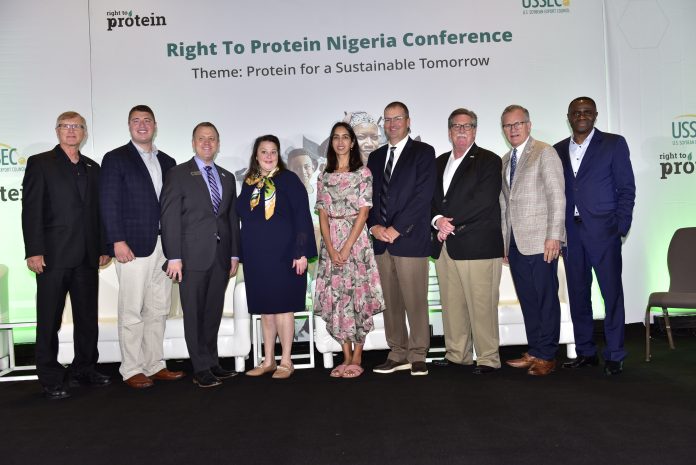
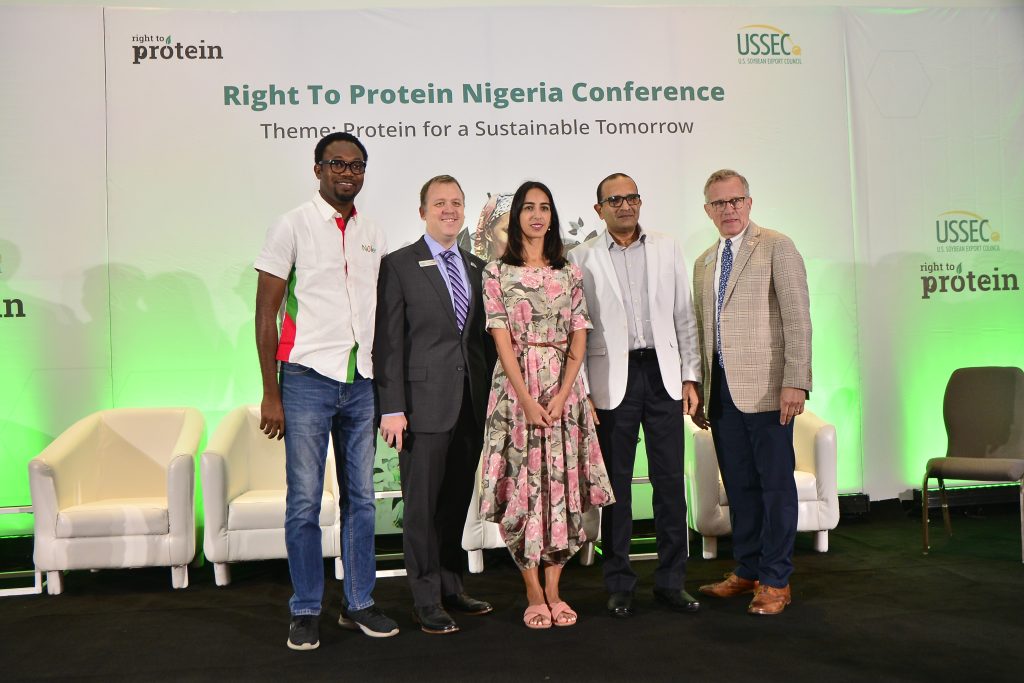
Nutrition experts have tasked Nigerians on the importance of adequate consumption of protein-rich foods to ensure productivity and sustainability for the future. The pool of experts lent their thoughts at the Right To Protein Nigeria Conference held on Thursday, June 22, 2023, in Lagos.

Right To Protein is a public health initiative of the U.S. Soybean Export Council (USSEC) that aims to raise awareness about the importance of protein in the diet and the right of every individual to have access to sufficient, affordable, and high-quality protein for better nutrition, health, and wellbeing.

In his welcome address, Kevin Roepke, Regional Director, South Asia and Sub-Saharan Africa (SAASSA), USSEC, noted that the event’s focus on “Protein for a Sustainable Tomorrow and Nutrition Security” underscores the past 4 editions of The State of Food Security and Nutrition in the World (SOFI) reports’ humbling reality, just seven years away from 2030, with the distance to especially reach the
Sustainability Development Goals 2 target of ‘Zero Hunger’ growing wider each year.

Adding that this year’s report further dispels any lingering doubts that the world is moving backwards in its efforts to end hunger, food insecurity and malnutrition in all its forms.

He said: “So, at this critical juncture, where do we stand now? And what can be done to help us build forward better and put us on track to achieving Zero Hunger?”

Experts Task Nigerians on Protein Consumption for Sustainability
(L-R) Korede Afolabi, Head of Noiler Business Unit at Amo Farm Sieberer Hatchery; Kevin Roepke, Regional Director, South Asia and Sub-Saharan Africa (SAASSA) at USSEC; Deeba Giannoulis, Head of U.S Soybean Sustainability and Marketing (SAASSA) at USSEC; Sreedhar R Kommareddy, Business Head of Agro-commodities at West Africa Soy Industry (WASIL) and Jim Sutter, CEO of USSEC at the Right To Protein Nigeria conference held in Lagos on Thursday, June 22, 2023

“When transformed with greater resilience to major drivers, including conflict, climate variability and other extremes like economic slowdowns and downturns, food systems can provide affordable healthy diets that are sustainable and inclusive, and become a powerful driving force towards ending hunger, food insecurity and malnutrition in all its forms, for all.”

Stating that proteins have been an essential part of human diets, Roepke noted that due to the ever- rising population, the demand for protein is increasing exponentially. “Ensuring access to adequate and nutritious food for every individual is a fundamental human right. Unfortunately, millions of people worldwide still suffer from malnutrition and lack access to a diverse and balanced diet. By focusing on
protein sources that are sustainable, affordable, and accessible, we can make significant strides towards achieving nutrition security for all,” he said.

In her keynote presentation, Dr. Olubukola Omobuwa, a fellow of the West African College of Physicians and the current acting Head of the Department of Human Nutrition and Dietetics at the University of Osun (UNIOSUN), noted that nutrition is a critical part of health and development, adding that people with adequate nutrition are more productive and can create opportunities to gradually break the cycles
of poverty and hunger.

She explained that malnutrition is known to contribute to about 50% of deaths among children under the age of five in Nigeria. Highlighting the importance of proteins to human beings, Omobuwa urged Nigerians to take in at least 53.8g of protein daily as recommended by Food and Agriculture Organisation (FAO); adding that complete proteins are those which contain all essential amino acids, such as animal products, soy, and quinoa.

According to Omobuwa, besides its numerous health benefits, protein consumption contributes significantly to economic development by promoting sustainable farming practices and supporting small-scale farmers can boost productivity, generate income, and thus contribute to improved lives and livelihood and poverty reduction.

“Protein consumption can also promote food security by causing an increase in demand and diversifying protein sources beyond the traditional options to reduce reliance on a few staple crops and so mitigate the risks of crop failure due to climate change or pests”, she said.

Other ways promoting consumption can engender a sustainable tomorrow for Nigeria is by employing sustainable protein production methods to minimize the environmental impact associated with traditional farming practices, promoting agroecology, organic farming, and sustainable aquaculture techniques by reducing the use of harmful chemicals and reducing carbon footprint thereby mitigating climate change.

There was a panel discussion moderated by Dr Mrs Ifeoma Akeredolu, Centre Coordinator, Yabatech UNESCO-UNEVOC Centre and Lecturer, Department of Nutrition and Dietetics, Yaba College of Technology, Lagos. Other panelists were Kevin Roepke, Regional Director, South Asia and Sub Saharan Africa (SAASSA), USSEC; Prof. Wasiu Afolabi, President, Nutrition Society of Nigeria (NSN) and a Professor of Community Nutrition in the Department of Nutrition and Dietetics and current Dean, College of Food Science and Human Ecology, Federal University of Agriculture Abeokuta, Ogun State; Dr Beatrice Oganah Ikujenyo, Associate Professor of Nutrition, Department of Home Economics, Lagos
State University of Education, Oto-Ijanikin, Lagos and Dr Ayoola Oduntan, Group Managing Director, Amo Farm Sieberer Hatchery Ltd.

The interactive discourse did a deep dive into accessible sources of plant & animal-based proteins, increasing protein consumption and its effect on health, productivity, impact on ensuring a sustainable future for Nigeria and Africa at large and ultimately, ensuring that everyone has an actual right to protein.

There were also presentations by the conference partners – Amo Farm Sieberer Hatchery Ltd and West African Soy Industries Ltd (WASIL). One of the unique features of the conference was the Nutrition Workshop by a nutritionist, Durodola Omolewa Kuteyi, Chief Executive Officer of Spectra Industries Ltd and a chef, Nkiruka Asika, Creative Director of Food Empire.

Attendees were taught how to interpret food labels and understand the nutritional contents of various food items, safe handling, and storage of foods. They were also taught how to incorporate proteins into everyday meals, especially using soybeans.

Jim Sutter, CEO of USSEC, in his closing remarks thanked the conference participants and explained that the #RightToProtein initiative aims to increase public understanding of the importance of protein and to encourage governments, businesses, and other organizations to prioritize protein production, distribution, and consumption in their policies and practices.

Formally launched in Nigeria in February 2023, #RightToProtein is Nigeria’s first protein awareness initiative, and it emphasizes the role of protein in supporting good health, reducing malnutrition, and promoting sustainable development.

The Rise Of New Media: Opportunities For Entrepreneurs

PHOTOS: MTN MIP Fellows Visit University of Johannesburg

CEO, Groove Platforms, Chidi Okeke shared some media entrepreneurship nuggets with the fellows of the second cohort of the MTN Media Innovation Program.

This fireside chat, moderated by MTN MIP alumni, Elsie Godwin, discussed the role of innovation and technology in the media industry, and how to thrive as a media entrepreneur.

Here are four things learned from the session:

  • You can build an innovative media platform: As a budding media entrepreneur, it is possible to build your platform, provided you are strategic. 

Using UduX Music as a case study, Chidi explained how his team built Africa’s first indigenous music streaming platform. “When GSM came to Africa, we kept looking for how to monetise content. We pioneered the first ringtone, and from ringback tunes, we launched the first streaming platform which was MTN’s Music Plus in 2015.

We were the owners of the content, most of the big artists gave us exclusive rights to their digital content.  I also thought why shouldn’t an African company own a streaming platform? We knew that our artists were very popular, but we also believed that one day our music content would thrive.” 

UduX Music is an innovative media platform that combines music, technology, and interactive elements to create a holistic and engaging experience for music enthusiasts. It transforms the way we consume and interact with music, offering a personalized, visually immersive, and socially connected platform that redefines the boundaries of traditional music streaming services.

  • Monetize and own exclusive rights to your content: Do you know how Chidi started monetising digital content on Udu X? It was through subscriptions!

“Content is not cheap. The biggest challenge is that the biggest platforms think   Africans don’t have the right to tell their story. But Nigerian artists are selling major event venues in the UK. Burna Boy became the first African artiste to headline a stadium show in the UK, selling out a 60,000-capacity stadium, said Chidi. 

It is important to own your content and have exclusive rights to your digital content.

  • Data Analysis is as important as your strategy: It is important to understand your target audience’s demographics and content consumption modes. This will guide you in your content development. 

For example, MTN’s partnership with UduX last year, for Davido’s We Rise By Lifting Others (WRBLO) live stream, was a hit because of the available data UduX leveraged. 

The live stream in March 2022 had 718,368 live streams and Chidi explained the role data analysis played, whilst showing the numbers.  It is essential to leverage data analytics to measure the performance of your content. 

  • Diversify your revenue streams: As an aspiring media entrepreneur, it is essential to create multiple streams of revenue for your business, as it mitigates risks and helps build a sustainable business.

Flutterwave Announces A Five-Year Strategic Technology Agreement With Microsoft

'Flutterwave, Chipper Cash Are Not Licensed To Operate' - Central Bank of Kenya

Flutterwave a leading African payments technology company today announced it is working with Microsoft to build its next generation platform on Microsoft Azure, powering payments infrastructure across the African continent and beyond. This agreement reflects com Flutterwave’s commitment to give businesses and individuals access to global-grade services across all of Africa and drive digital transformation around the world.

With Flutterwave and Microsoft’s plans to power payments to-and-from Africa, this collaboration is an incredible opportunity to impact growth across the continent. Through this engagement, Flutterwave will support the accelerated growth of transactions processed on Flutterwave platform for global clients like Uber, Netflix, and Microsoft, solidifying Azure’s role in facilitating a seamless, reliable, and secure payment experience.

Key Flutterwave products such as Flutterwave for Business, Send by Flutterwave, Flutterwave Store, and Flutterwave for Fintech Platform, are being developed and transitioned onto the robust Azure cloud platform. Moreover, Flutterwave uses Azure OpenAI Service capabilities, enabling the scaling of its product offerings to millions of merchants worldwide.

“Microsoft has been an invaluable partner, providing a platform that allows us to deliver consistently high-quality services to our clients,” stated Olugbenga Agboola, Founder and CEO of Flutterwave. “As we manage high-volume payment processing, particularly during peak periods, the robustness, reliability, and scalability of Microsoft Azure become critical. As such, deepening our collaboration with Microsoft is the most logical step forward for us.” It means Flutterwave will continue to drive the transformation of global commerce, taking full advantage of the diverse and expanding range of services offered by Microsoft.

“Our development on Microsoft Azure has set a strong foundation for Flutterwave,” said Gurbhej Dhillon, Flutterwave CTO. “Their platform provides us with significant developer leverage, which we harness in service of our clients. Looking to the future, we’re excited about the possibilities of scaling with Azure OpenAI Service, which will enable us to serve even more merchants worldwide,” added Dhillon.

“We have proudly supported Flutterwave’s core operations with Microsoft Azure for many years. We are excited to further fuel their growth and innovation through this expanded collaboration,” said Mike Gaal, Microsoft Corporation General Manager. “Our mission is to empower every person and every organization on the planet to achieve more. Working with Flutterwave will take us a step closer to achieving our mission In Africa,” added Gaal.

EXPLAINER: What You Should Know About Naira Floating And Devaluation

EXPLAINER: What You Should Know About Naira Floating And Devaluation

When the Central Bank of Nigeria, CBN, recently authorised financial institutions across the country to sell foreign exchange freely at market-determined rates, many people got confused, mistaking the floating of the naira for the devaluation of it.

In this article, you will be exposed to the difference between these two approaches and explore their implications for the Nigerian economy.

First, what does floating the naira mean?

Floating a currency, also known as a flexible exchange rate, occurs when the value of a currency is determined by market forces such as supply and demand. In a floating exchange rate regime, the Nigerian Naira’s value would fluctuate freely in response to economic conditions and market dynamics. Factors such as trade flows, capital flows, interest rate differentials, and investor sentiment would influence the exchange rate.

Advantages of Floating

Automatic adjustment: A floating currency allows for automatic adjustment to changes in the economy. If Nigeria’s economy becomes more competitive, the Naira’s value may appreciate, making exports relatively more expensive and imports cheaper. This adjustment can help correct trade imbalances and stimulate economic growth.

Monetary policy independence: With a floating currency, Nigeria can pursue an independent monetary policy. The central bank can adjust interest rates and regulate the money supply to control inflation and stabilize the economy, without being constrained by the need to maintain a fixed exchange rate.

Devaluation

Devaluation, on the other hand, refers to a deliberate downward adjustment in the value of a country’s currency within a fixed or semi-fixed exchange rate system. In this scenario, the government or central bank intervenes in the foreign exchange market to reduce the value of the currency.

Reasons for Devaluation

Boosting exports: Devaluation can make Nigerian exports cheaper in international markets, potentially increasing demand for goods and services produced in the country. This can help stimulate export-oriented industries and improve the balance of trade.
Correcting trade imbalances: If Nigeria consistently experiences a trade deficit (imports exceed exports), devaluation can make imports more expensive and exports more competitive, thus helping to rebalance trade flows.

Upshot

Floating a currency and devaluing it are distinct approaches to currency management.

Floating allows the currency’s value to be determined by market forces, while devaluation involves a deliberate downward adjustment in a fixed or semi-fixed exchange rate system. Each approach has its advantages and implications for an economy. In the case of Nigeria, as the Nigerian Naira continues to navigate its foreign exchange policy, policymakers must carefully assess the economic conditions and determine the most suitable strategy to achieve stability, competitiveness, and sustainable economic growth.

BizWatchNigeria.Ng
Privacy Overview

This website uses cookies so that we can provide you with the best user experience possible. Cookie information is stored in your browser and performs functions such as recognising you when you return to our website and helping our team to understand which sections of the website you find most interesting and useful.