









Home Blog Page 571

Unveiling Unparalleled Luxury, Kia K8 Sedan Now Available For Booking In Nigeria

Nigeria’s automotive enthusiasts have cause for celebration as the leading automobile brand in the country, Kia, introduces the highly anticipated Kia K8 sedan to the country. This extraordinary vehicle, embodying unparalleled luxury and redefining innovation within the sedan class, is now available for booking.

Discerning customers can reserve their orders, securing their chance to experience the epitome of automotive opulence. With the arrival of the Kia K8, Nigeria’s roads are about to witness a new level of luxury and sophistication.

Olawale Jimoh, the Marketing Manager of Kia Nigeria, expressed his excitement about the Kia K8’s availability, stating, “We are delighted to announce that the Kia K8 is now within reach of our esteemed customers in Nigeria. This exceptional sedan represents a pinnacle of luxury, sophistication, and cutting-edge technology.”

The Kia K8 sedan stands out with its sleek and dynamic exterior design, commanding attention wherever it roams. Its meticulously crafted interior exudes a sense of opulence, seamlessly blending refined craftsmanship with utmost comfort. Mathews Kuruvilla, the General Manager of Kia Nigeria, lauded the K8, stating, “The Kia K8 is a true masterpiece in automotive design, offering a harmonious blend of elegance and comfort that is simply unrivalled.”

Beyond its captivating looks, the Kia K8 packs a punch under the hood, offering a range of powerful engine options for an exhilarating driving experience. From its responsive turbocharged engines to its agile and smooth handling, the K8 guarantees a performance that will leave drivers awestruck. Olawale remarked, “The Kia K8 is designed to provide an extraordinary driving experience, combining power, agility, and refinement. It embodies Kia’s commitment to delivering vehicles that inspire and captivate.”

The Kia K8 sets a new standard with its advanced technology suite, featuring various safety features and advanced connectivity options. With state-of-the-art driver-assistance systems prioritizing the well-being of drivers and passengers, every journey in the K8 is characterized by safety and security. Furthermore, innovative connectivity features keep occupants entertained and connected throughout their travels. Mathews highlighted the significance of these features, stating, “The Kia K8 ensures a seamless and enjoyable driving experience with its comprehensive suite of advanced safety technologies and intuitive connectivity features.”

With the Kia K8 now available in Nigeria, customers have the opportunity to embrace a new era of luxury and sophistication on Nigerian roads. By reserving their orders, customers can secure their place among the first to experience the remarkable features and unrivalled performance of the K8. Olawale extended an invitation to customers, stating, “We invite our esteemed customers to reserve their Kia K8 today and be part of this extraordinary journey. The Kia K8 will redefine the luxury sedan experience in Nigeria, offering a perfect blend of style, performance, and advanced technology.”

Kia Motors’ introduction of the Kia K8 in Nigeria underscores their commitment to delivering groundbreaking vehicles that surpass customer expectations. The K8 sedan epitomizes the brand’s dedication to pushing boundaries and setting new industry standards. As Mathews concluded, “The Kia K8 represents a significant milestone in our pursuit of automotive excellence. We are proud to present this exceptional sedan to our valued customers in Nigeria, and we firmly believe that it will exceed all their expectations.”

To reserve your Kia K8 and embark on a journey of unparalleled luxury, visit your nearest Kia dealership in Nigeria or access the official Kia website. Don’t miss the opportunity to experience the future of sedans with the extraordinary Kia K8.
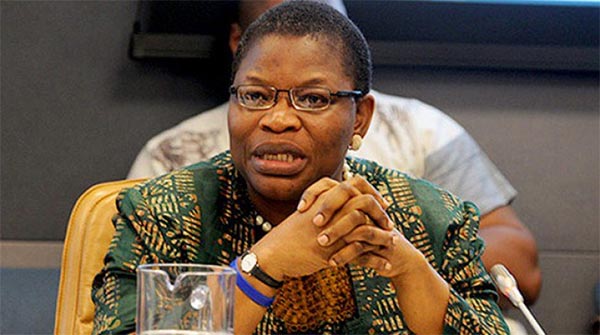

Oby Ezekwesili, Haroun Adamu And Kabiru Yusuf Headline FrontFoot Media’s 2nd Media Roundtable

Cryptocurrency Ban: Our Country's DNA For Irony Is Uncanny - Ezekwesili

The trio of Oby Ezekwsili, Haroun Adamu and Kabiru Yusuf will lead the discourse at the Second Media Roundtable of FrontFoot Media Initiative on 8 July 2023 at the Reiz Continental Hotel, Abuja. Publishers, senior journalists, and editors will join them.

They will speak to the theme of “The Accountability Imperative: Holding Politicians’ Feet to the Fire”.

Ezekwesili is a former minister across two portfolios of education and solid minerals and serves as the President of Human Capital Africa, founder of the School of Politics, Policy and Governance and Vice President of the World Bank Africa Region.

Mallam Kabiru Yusuf is chairman of Daily Trust newspapers, board member of the International Press Institute and president of the Newspaper Proprietors Association of Nigeria.

Dr Haroun Adamu is a Nigerian journalism icon who served as publisher of The Nigerian Economist, managing director of Triumph Publishing Company, Kano and Punch Nigeria Limited and chairman of the Petroleum Trust Fund.

Mr Chido Nwakanma, Training Coordinator, said the Media Roundtable complements and extends FrontFoot Media’s Audit Reporting Training by highlighting accountability issues and the audit process in Nigeria. FrontFoot Media held the third Audit Reporting Training in Abuja on 5-6 July at the same venue.

At the first Roundtable in Lagos in 2022, speakers included Mr Donald Duke, a former governor of Cross Rivers State; Mr Lade Bonuola, founding editor of The Guardian and former managing director of Guardian Newspapers; Dr Patrick Dele Cole, a former managing director of Daily Times, Newswatch co-founder Mr Dan Agbese and INEC Commissioner Mr Muhammed Haruna. Other speakers were Mrs Motunrayo Alaka, Executive Director and Chief Executive Officer of the Wole Soyinka Centre for Investigative Journalism.
Like the Audit Reporting Training, the FrontFoot Media Roundtable is the flagship media interaction programme under the Collaborative Media Engagement and Development Inclusivity and Accountability Project. The Wole Soyinka Centre for Investigative Journalism superintends the project involving over 20 NGOs with the sponsorship of the MacArthur Foundation.

former minister of education and president of Human Capital Africa, Oby Kathryn Ezekwesili

IMF Urges Nigeria To Tax Crypto Users

IMF To Nigeria, Others: Tax Crypto Users

The International Monetary Fund (IMF), has advised Nigeria, and other countries, to consider taxing crypto users.

IMF made this recommendation in a report titled; “Crypto Poses Significant Tax Problems—and They Could Get Worse”.

In the report, the Fund said countries can generate value-added taxes (VAT) and income tax from crypto assets, which could have amounted to $100 billion worldwide if a 20 per cent tax was placed on capital gain amid soaring prices in 2021.

BizWatch Nigeria understands that cryptocurrencies enjoyed a boom in 2021, with Bitcoin leading the park having surged to nearly $70,000 in 2021, from $200 a decade ago, before plunging to around $29,000 recently.

IMF addresses concerns with the tax categorisation on crypto assets

IMF admitted that a key issue with its recommendation is classifying crypto assets -either as a property or a currency.

The United Nations agency, however, suggested that capital gains should be taxed when a crypto asset is sold for profit, however, when it is used to make purchases, VAT should be collected.

“A key issue is how to classify crypto assets—should they be regarded as property or currency? When crypto is sold for profit, capital gains should be taxed as they would be on other assets. And purchases made with crypto should be subject to the same sales or value-added taxes, or VAT, that would be applied for cash transactions.

“So, one important task is to ensure application of these principles, which requires clarity on how to characterize crypto for tax purposes: in essence, as currencies for VAT and sales taxes and as assets for income tax purposes. While this is not easy due to the evolving nature of crypto asset transactions, it is perfectly possible. The deepest challenges are then in enforcement,” IMF wrote.

NARD Threatens Strike Over Salary Increase

Resident Doctors Commence Indefinite Strike

The Nigerian Association of Resident Doctors (NARD) has given a new two-week ultimatum to the Federal Government (FG), demanding a 200% increase in its members’ wage structure, among other things.

The resolution was reached on Wednesday at a virtual Extraordinary National Executive Council Meeting (E-NEC) to assess the level of implementation of the Memorandum of Understanding (MoU) signed with the government on May 19, 2023, following the Association’s five-day warning strike on May 17, 2023.

NARD President Orji Innocent, Secretary General Chikezie Kelechi, and Publicity and Social Secretary Umar Musa all signed the communique.

“We demand the immediate release and the implementation of the guidelines on one-for-one replacement of clinical staff to cushion the effect of the massive manpower shortage in our various hospitals nationwide.

“NEC calls on the Medical and Dental Council of Nigeria to discontinue the downgrading of the membership certificate issued by the West African Postgraduate Medical and Surgical colleges as this is not obtainable in other parts of West Africa where these same certificates are issued.

“NEC demands the immediate payment of all Salary Arrears, implementation of the CONMESS salary structure and new Hazard Allowance and domestication of the Medical Residency Training Act and payment of the Medical Residency Training Fund to our members in the State Tertiary Health Institutions nationwide.

“NEC hereby wishes to further extend her already expired ultimatum issued to the government by 2 weeks with effect from today 5th July 2023.

“The NEC of NARD insist on the immediate implementation of a minimum of 200% increment in the CONMESS (Consolidated Medical Salary Structure) salary structure and upward review of the associated allowances as requested in her previous letters on the subject matter since the current economic realities in the country cannot justify the continued payment of CONMESS as it is at the moment or any increment below the 200% as demanded.

“For purposes of emphasis, at the expiration of this further extended ultimatum by 19th of July 2023, if all these demands are not met, we cannot guarantee industrial harmony in the Health Sector nationwide.”

READ ALSO

18 million Doses Of First-Ever Malaria Vaccine Allocated To 12 African Countries For 2023–2025: Gavi, WHO And UNICEF

FG Spent $29m On COVID-19 Vaccine - Health Minister

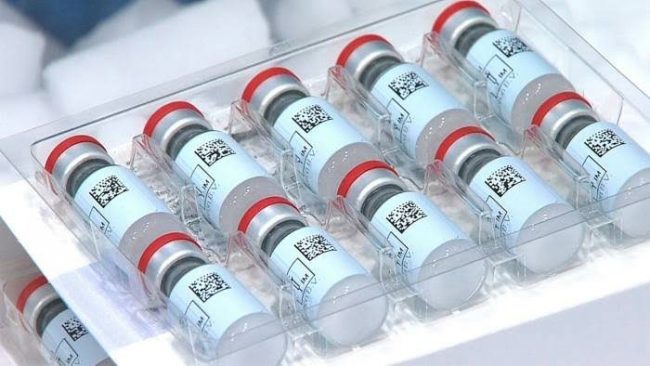
Twelve countries across different regions in Africa are set to receive 18 million doses of the first-ever malaria vaccine over the next two years. The roll out is a critical step forward in the fight against one of the leading causes of death in the continent.

The allocations have been determined through the application of the principles outlined in the Framework for allocation of limited malaria vaccine supply that prioritizes those doses to areas of highest need, where the risk of malaria illness and death among children are highest.

Since 2019, Ghana, Kenya and Malawi have been delivering the malaria vaccine through the Malaria Vaccine Implementation Programme (MVIP), coordinated by WHO and funded by Gavi, the Vaccine Alliance, the Global Fund to Fight AIDS, Tuberculosis and Malaria, and Unitaid. The RTS,S/AS01 vaccine has been administered to more than 1.7 million children in Ghana, Kenya and Malawi since 2019 and has been shown to be safe and effective, resulting in a substantial reduction in severe malaria and a fall in child deaths. At least 28 African countries have expressed interest in receiving the malaria vaccine.

In addition to Ghana, Kenya and Malawi, the initial 18 million dose allocation will enable nine more countries, including Benin, Burkina Faso, Burundi, Cameroon, the Democratic Republic of the Congo, Liberia, Niger, Sierra Leone and Uganda, to introduce the vaccine into their routine immunisation programmes for the first time. This allocation round makes use of the supply of vaccine doses available to Gavi, Vaccine Alliance via UNICEF. The first doses of the vaccine are expected to arrive in countries during the last quarter of 2023, with countries starting to roll them out by early 2024.

“This vaccine has the potential to be very impactful in the fight against malaria, and when broadly deployed alongside other interventions, it can prevent tens of thousands of future deaths every year,” said Thabani Maphosa, Managing Director of Country Programmes Delivery at Gavi, the Vaccine Alliance. “While we work with manufacturers to help ramp up supply, we need to make sure the doses that we do have are used as effectively as possible, which means applying all the learnings from our pilot programmes as we broaden out to a new total of 12 countries.”

Malaria remains one of Africa’s deadliest diseases, killing nearly half a million children each year under the age of 5, and accounting for approximately 95% of global malaria cases and 96% of deaths in 2021.

“Nearly every minute, a child under 5 years old dies of malaria,” said UNICEF Associate Director of Immunization Ephrem T Lemango. “For a long time, these deaths have been preventable and treatable; but the roll-out of this vaccine will give children, especially in Africa, an even better chance at surviving. As supply increases, we hope even more children can benefit from this life-saving advancement.”

“The malaria vaccine is a breakthrough to improve child health and child survival; and families and communities, rightly, want this vaccine for their children. This first allocation of malaria vaccine doses is prioritised for children at highest risk of dying of malaria,” said Dr Kate O’Brien, WHO Director of Immunization, Vaccines and Biologicals. “The high demand for the vaccine and the strong reach of childhood immunisation will increase equity in access to malaria prevention and save many young lives. We will work tirelessly to increase supply until all children at risk have access.”

Given the limited supply in the first years of the roll-out of this new vaccine, in 2022 WHO convened expert advisors, primarily from Africa – where the burden of malaria is greatest – to support the development of a Framework for allocation of limited malaria vaccine supply, to guide where initial limited doses would be allocated. The Framework is based on ethical principles on a foundation of solidarity; and it proposes that vaccine allocation begin in areas of greatest need. 

The Framework implementation group that applied the framework principles included representatives of the Africa Centres for Disease Control and Prevention (Africa CDC), UNICEF, WHO and the Gavi Secretariat, as well as representatives of civil society and independent advisors. The group’s recommendations were reviewed and endorsed by the Senior Leadership Endorsement Group of Gavi, WHO and UNICEF (for more, see First malaria vaccine supply allocations: explanation of process and outcomes).

Annual global demand for malaria vaccines is estimated at 40–60 million doses by 2026 alone, growing to 80–100 million doses each year by 2030. In addition to the RTS,S/AS01 vaccine, developed and produced by GSK, and in the future supplied by Bharat Biotech, it is expected that a second vaccine, R21/Matrix-M, developed by Oxford University and manufactured by Serum Institute of India (SII), could also be prequalified by WHO soon. Gavi has recently outlined its roadmap to support increasing supply to meet demand.

FG Suspends Import Adjustment Tax On Selected Vehicles

FG Suspends Import Adjustment Tax On Selected Vehicles

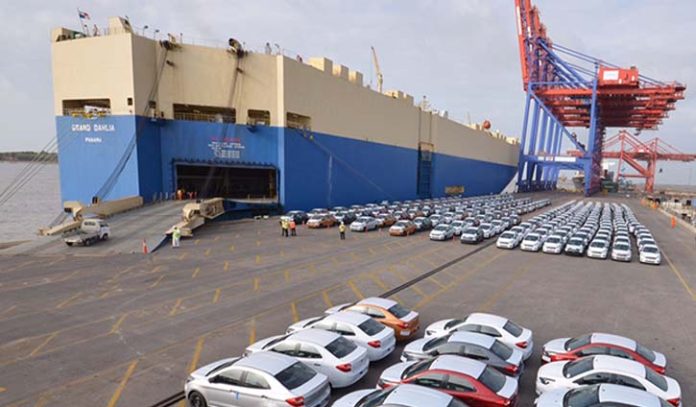
The federal government has suspended the import adjustment tax (IAT) imposed on certain vehicles.

The IAT which was approved by former President Muhammadu Buhari took effect from Saturday, June 1, 2023.

Imported vehicles with 2 litres to 3.9 litres engines were required to pay an IAT equivalent to two percent of the value of the vehicle while vehicles with 4 litres engines and above attract an IAT of 4 percent of their value.

However, vehicles with engines below 2 litres, mass transit buses, electric vehicles and locally manufactured vehicles were exempted from the IAT.

More to follow…

Threads Records 10million Users Upon Launch

Threads Records 10million Users Upon Launch

Within the first few hours of its launch, more than 10 million individuals signed up for Threads, Meta’s challenger to Twitter, according to Facebook parent company CEO Mark Zuckerberg.

Threads is the most serious competitor to Elon Musk’s Twitter, which has seen a slew of prospective rivals emerge but has yet to replace one of social media’s most iconic companies, despite its catastrophic troubles.

The software became online on Apple and Android app stores in 100 countries on Wednesday at 2300 GMT, with no adverts for the time being.

“10 million sign-ups in seven hours,” Zuckerberg posted Thursday on his official Threads account.

“It’ll take some time, but I think there should be a public conversations app with 1 billion+ people on it,” Zuckerberg wrote. Twitter has had the opportunity to do so, but has failed to do so. We can only hope.”

Twitter claims to have over 200 million daily users.

READ ALSO

Sekoni, Others To Headline 15th Wole Soyinka Centre Media Lecture On Twitter Spaces

Sekoni, Others To Headline 15th Wole Soyinka Centre Media Lecture On Twitter Spaces

Ropo Sekoni, Board Chair of the Wole Soyinka Centre for Investigative Journalism (WSCIJ); Toun Okewale-Sonaiya, Chief Executive Officer of Women Radio WFM 91.7; Balarabe Ilelah, Director General of the National Broadcasting Corporation and Adedoja Allen, Managing Director/CEO, City 105.1FM alongside eight other distinguished speakers, are set to lead the 15th edition of the Wole Soyinka Centre Media Lecture Series.

The event themed ‘Building a resilient Nigerian media and democracy’ is scheduled to take place on Wednesday, 12 July, and Thursday, 13 July 2023, on Twitter Spaces at 11 am daily. Click here to join the conversation.

They will be joined by Aliyu Tanko, Editor at British Broadcasting Corporation News Hausa; Idayat Hassan, Director of the Centre for Democracy and Development (CDD); Subomi Plumptre, Co-founder of Volition Capital Investments Limited; Christoph Plate, Director of Media Programme Sub-Saharan Africa at the Konrad Adenauer Foundation; Augustine Agbonsuremi, Executive Director, Progressive Impact Organization for Community Development (PRIMORG); Amaka Okoye, West Africa Correspondent for Deutsche Welle (DW); Tayo Fagbule, Editor at BusinessDay; and Anita Egboigbe, Operation Lead at Big Cabal. Sekoni, a professor of Comparative Literature and Cultural Studies, will deliver the keynote address at the two-day event.

The decision to host this year’s lecture on Twitter Spaces marks a significant milestone for the event as it allows the centre to reach a broader audience and promote wider engagement.

The chosen theme of the lecture stems from the need to set a tone for the new government in Nigeria on the necessity to strengthen an independent media that will hold those in power accountable and promote an informed and engaged citizenry.

It also underscores the importance of fostering a resilient democracy that delivers better standards of life for citizens and restores Nigeria’s place of glory in the comity of nations. Courtesy of the lecture and other interventions, WSCIJ has consistently contributed to the entrenchment of democracy in Nigeria.

The Wole Soyinka Centre Lecture Series, initiated in 2008, examines pertinent issues affecting the media’s performance and Nigeria’s democratic landscape.

The tradition of holding the event on July 13 started in 2009 to celebrate Professor Wole Soyinka on his birthday, even as we draw attention to current national issues. This year is particularly special because it marks the fifteenth year of the initiative.

READ ALSO

NGX’s Popoola Backs Tinubu’s Policies

NGX's Popoola Backs Tinubu's Policies

The Chief Executive Officer of Nigerian Exchange Limited (NGX), Temi Popoola has expressed optimism around the recent policies by the federal government since the inauguration of President Bola Tinubu, saying that investors are responding positively with bullish sentiments in the market.

Popoola who said this during a programme (NewsDay) on BBC News monitored in Lagos added that he remained hopeful that the current bullish sentiments in the domestic bourse will be sustained in the long run.

Equity investors have endured long periods of bearish sentiments on the floor of NGX but that has changed considerably since President Tinubu’s policy statements on May 29, 2023.

Transactions on the exchange concluded the first half of the year on a positive note, with the NGX All-Share Index (ASI) gaining 18.9 per cent and closing at 60,968.27 points, marking a significant milestone for the index as it reached its highest level in 15 years since March 5, 2008 when it stood at 66,381.20 points.

Investors have also had cause to smile as their wealth rose by N5.3 trillion in H1. This impressive performance, according to the CEO, came amid audacious macroeconomic reforms under the new administration after a 5-year bearish cycle.

He said, “In the past one month, there has been a change in administration and I would say a couple of things have happened. There has been a material change in policy management. We have gone from an unorthodox approach to something more orthodox, more traditional. This has engendered a lot of hope and I think the financial markets responded in a very positive fashion.”

The CEO also added that the liberalization of the FX market has transformed the economy.

He added, “So in the past, there has been scarcity of FX and this liberalization policy has started to resolve that. So, we expect that our corporates can run more efficiently which means that they can be more profitable in markets like ours. We had a gap between the official rate and the parallel market in the past. This has normalized now and there is increased propensity by foreign investors to bring money into Nigeria and that of course helps the general FX situation. The country is now open to foreign capital and what this does is to transform and improve the economy,”

While emphasizing the cyclical nature of the market, Popoola expressed positivity on the likelihood of the bullish sentiment lasting for the long term.

“Overall, we are very hopeful and optimistic that this trend continues for the long term. These are the sort of policies that markets and investors like as they are able to plan better, forecast effectively, and so generally we are very hopeful and optimistic, “he stated.

Dollar To Naira Exchange Rate Today (Thur. July. 6, 2023)

How Much Money Is Spent On Groceries In Nigeria, Other Countries?

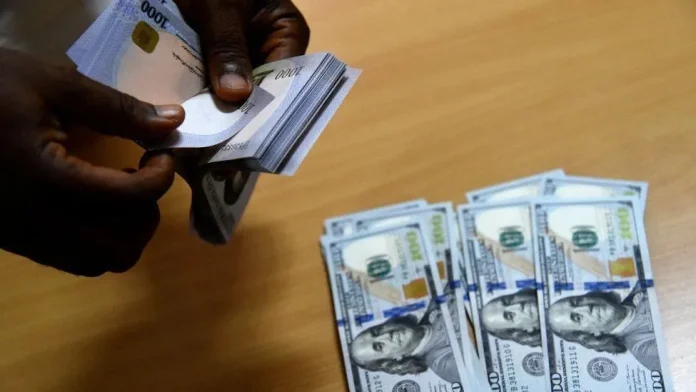
Dollar to naira, on Thursday, July 6, 2023, opened at (undisclosed) at the Investors & Exporters FX window ( I&E FX Window), where the currencies officially trade.

According to the data at the FMDQ Security Exchange where forex is traded officially, the dollar to naira exchange rate stood at (undisclosed).

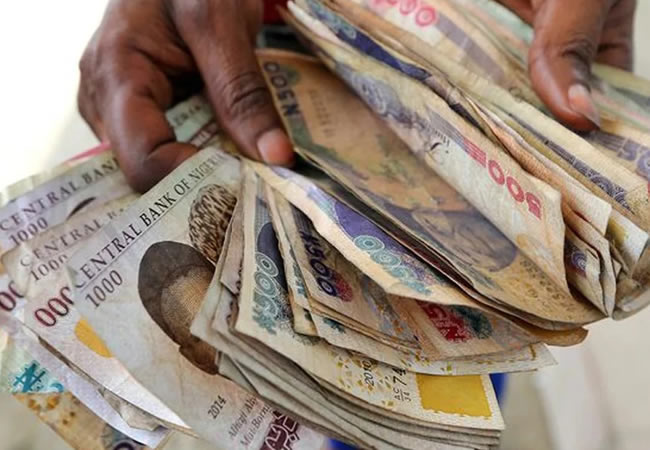
This would mean that the Nigerian currency dropped in value against the United States dollar, as the foreign exchange (forex) trading closed at ₦742.31 per $1 on Monday, July 3.

How much is the dollar to naira at the black market today?

Going by sources at the Bureau De Change (BDC) in Lagos, the dollar to naira last exchanged between ₦775 and ₦785 with an average of ₦780.50 in the black market in the state.

It is, however, pertinent to note that the Central Bank of Nigeria (CBN) does not recognise the parallel market (black market), as it has directed individuals who want to engage in forex to approach their respective banks.

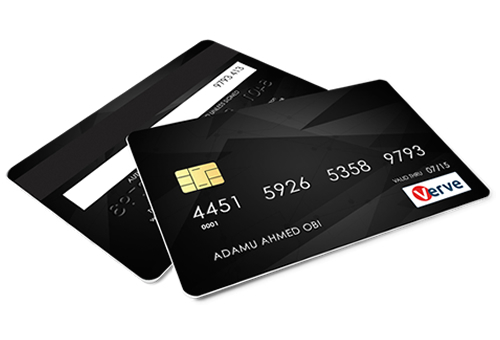
Verve Surpasses 50 Million Payment Cards, Consolidates Market Leadership In Nigeria

Verve International, Africa’s 1st and largest domestic payments scheme has yet again announced a remarkable new milestone in its business, firmly consolidating its growing market share in Nigeria – in terms of card issuance and transactions.

Verve now has over 50 million issued payment cards to date. This development comes barely a year after the scheme announced it had issued 35 million cards in Nigeria in March 2022, translating to 42% growth in issuance volumes YoY.

Verve has become the payment card of choice across various tiers of banking service and particularly within the burgeoning fintech space in Nigeria. It would be recalled that in October 2022, Verve and Opay announced a significant partnership in Nigeria, rolling out the OPay Verve Instant Debit Card, directly linked to OPay user wallets, thereby making it easy and convenient to make payments for goods and services, essentially empowering millions of Opay users to transact with Verve cards directly from their wallets.

Verve, as Africa’s premier and leading domestic payment cards scheme is focused on addressing peculiar market challenges in Africa by providing secure and cost-effective payment options for individuals and businesses to exchange value. Verve offers both virtual and physical cards that facilitate payment for an increasing number of international services in local currency, and has made significant progress in this regard, having achieved merchant acceptance with platforms such as Netflix, Showmax, Amazon Prime, Facebook, Microsoft, Uber, and Flywire, to mention a few.

Verve also has a number of major partnerships in the works, underscoring its strong resolve to continue to drive such partnerships that provide users in Africa convenient opportunities to access global services in local denominations.

On the African front, Verve cardholders are provided with the benefit of using the Verve card in Nigeria and over 21 other African countries, underscoring the company’s resolve to ensure the seamlessness of transactions across the continent, particularly for the critical mass of consumer demographics, whilst driving value and efficiency for African financial institutions.

Particularly noteworthy, are rapidly expanding issuing and acceptance partnerships across East Africa, including major financial institutions such as the 2 largest financial institutions KCB Group and more recently Equity Bank.

On a global perspective, through strategic partnerships with Discover Financial Services, Verve cardholders are able to perform transactions and make payments while outside Africa, using their Verve Global Cards. The Verve Global Card from the Discover partnership is accepted in 185 countries that include the United States of America, United Kingdom, South Africa, and the United Arab Emirates (UAE).

Verve has significantly expanded its footprints in the East African region, deepening its partnership with KCB Bank of Uganda in a move that will see the acceptance of the Verve Card on KCB Bank’s widespread and strategically distributed Point of Sale (POS) merchant network across the region, in addition to a more recent partnership with Equity Bank Group announced in June 2022, which saw Equity also become an acquirer for Verve cards, adding to its wide portfolio of cards accepted by all Point-of-Sale (POS) machine locations and ATMs countrywide.

Speaking on this latest business milestone Chief Executive Officer (CEO) for Verve International, Vincent Ogbunude, stated that Verve continues to provide innovative ways to make transactions and payment more secure and convenient for our customers across Africa and beyond.

He said, “As the progressive shift towards cashless payments accelerates, and in view of the peculiarities of the markets in which we do business, it has become important that we continue to consolidate in delivering global-standard payment solutions tailored to economic and operational realities of the environment, whilst doubling-down on value-adding partnerships that ensure we scale our impact and turbo-charge financial inclusion on the African continent…”

“13 years ago, we defied daunting odds and set out to chart a course for a brave new world of payments in Africa. Today we are thoroughly delighted and proud to celebrate this phenomenal milestone of 50 million cards and counting, which effectively positions Verve as the leading payment cards scheme in Africa’s most significant consumer market.”

Verve international, a subsidiary of the Interswitch Group, Africa’s leading integrated digital payments and commerce enabler is the first EMV-certified pan-African domestic payment card scheme (a subsidiary of the Interswitch Group), issuing cards and payment solutions to individuals, issuers, and organizations; and remains committed to pushing the bounds in terms of customer experience and payment possibilities.

Cardholders have come to regard Verve as a safe, convenient and reliable payment solution for everything payment. Verve cards can be used across a wide range of payment channels like Point of Sale (POS) terminals, Automated Teller Machines (ATMs), Agency banking channel, Web / eCommerce, and Mobile Apps.

Telecoms Investments Hit $76bn, 5G Subscriptions Now 60,000 ­­— NCC

MTN, Airtel Top Data Depletion Complaints - Report

According to Professor Umar Dambatta, Deputy Chairman of the Nigerian Communications Commission (NCC), the total investment in the telecommunications sector has increased to US$75.6 billion by the end of 2021.

From 2021, this will include foreign direct investment and domestic investment, he said. He made the statement Wednesday during a dialogue session with stakeholders from the communications and media ecosystem in Lagos.

He also revealed that 5G subscriptions have increased to more than 60,000 in many cities in 12 states. He explained that the investment profile in this sector increased from US$68 billion in 2018 to US$70.5 billion in 2019 and US$72 billion in 2020. By the end of 2021, he noted that figure had risen to $75.56 billion. He noted that the next investment in the telecom sector is calculated from two sources.
Financial data received by the Central Bank of Nigeria and the Commission from service providers.

Dambatta said the sector’s investment profile has grown tremendously since his early $500 million investment profile in 2001.

Regarding the sector’s contribution to GDP in 2022 and 2023, he said, “In the first quarter, the sector contributed 12.94% (equivalent to 2.25 trillion nebula), while in the second quarter the telecommunications sector It made a record contribution to GDP.” “The country’s economy accounts for 15 percent and is worth 2.59 trillion Nebula. “The sector’s contribution to GDP increased from 12.85 per cent in the third quarter to 13.55 per cent in the fourth quarter, representing N2.44 trillion and N2.85 trillion respectively.

“Nigeria’s telecommunications and information services sector has continued its growth trajectory this year with an impressive financial value of Naira 2.51 trillion to Gross Domestic Product (GDP), an increase of 14.13% in Q1 2023,” he said. ‘ said.

Nigeria Eyes N553bn Unremitted Shipping Taxes

2020: Despite Slow Global Trade, Banks’ Earnings On LCs Grew By 45%

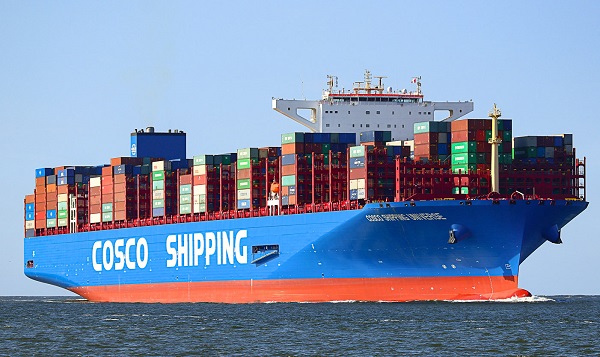
The Federal Government (FG) has said it intends to recover more than Naira 553 billion in unpaid taxes from international oil shipping companies operating in Nigeria.

Federal Internal Revenue Service (FIRS) International Tax Director Abdullahi Aliyu said repaying the amount incurred from 2010 to 2019 would help reduce the budget deficit.

Aliyu said that given Nigeria’s overall fiscal deficit of 11.34 trillion Nigerian, with outstanding taxes of 553 billion Nigerian accounted for 5.03%, it would be an option to address Nigeria’s economic woes rather than debt. Stated.

He said Wednesday when he spoke at a virtual summit hosted by the Nigerian Chamber of Shipping (NCS) on the theme of “Enhancing Nigerian shipping industry’s awareness of new tax policies and targets.”

However, Aliyu said shipping companies and foreign airlines operating dry cargo operations in Nigeria are complying with tax laws that most operators in the oil sector ignore.

“The onus is on global businesses to understand the local laws and taxation in the countries where they transact business, and these specific laws have been in place in the nation for decades.

“Nigerian taxes are more favourable to non-residents compared to indigenous companies, thereby creating an unfair business environment for local operators,” he said.

In his paper presentation, the Assistant Director, Tax, FIRS, Mr Oluwole Oni, pointed out that the agency had advertised the planned taxation exercise in December 2021 to prevent disruptions in the essential global shipping business.

“Non-resident vessels earn freight income from transportation services provided in transporting petroleum products (crude oil and gas products) from Nigeria to the agreed location, outside of Nigeria.

“Irrespective of the commercial arrangement adopted by the non-resident vessels to lift crude oil from Nigeria, freight income attributable to Nigeria is taxable in line with the Companies Income Tax Act (CITA),” he said.

Oni said that the FIRS had written officially to operators who owed taxes for the period between 2010 and 2019, adding that the companies were expected to send in their responses within 30 days.

“Those who received the letters are expected to send in their responses which aren’t only about payment. The response can be an acknowledgement of receipt, a demand for clarification, payment.

“The first step to compliance is registration with FIRS and most operators are yet to register,” Oni said.

The Senior Advisor for Shipping Policy at the ICS, Georgia Spencer-Rowland, stated that communication on tax regime was not properly carried out as most members of ICS were oblivious of tax framework.

She noted that members of ICS comprised over 80 per cent of the world’s merchant ships and 40 national ship-owners associations. Oni, however, encouraged FIRS to clearly communicate in an official document, the period allotted as grace period for the tax implementation.

“Do these taxes affect inbound or outbound ships? Are the taxes payables on freight, income or profits?

“Will ICS members as stakeholders be allowed to participate in the Presidential Technical Committee ahead of the implementation of these taxes?” Georgia asked.

Meanwhile, the Legal Counsel to INTERTANKO, Ms Selena Challacombe, said that the figures and volumes quoted by FIRS for taxation were not the actual figures in the transactions carried out by INTERTANKO members.

Challacombe said that there could be challenges in recouping taxes with the figures for 2010 to 2019 as ship charterers are unlikely to provide the vital information seen as germane to their businesses.

She said the situation should not be termed tax evasion when the alleged violators had not profited from the negligence of taxes they never knew existed. She added that Australia had a similar law enacted since 1936 and members of INTERTANKO factored in the taxes when undertaking contracts for Australia.

In his welcome remarks, the President of NCS, Mr Aminu Umar, stressed the need for collaboration among stakeholders and government agencies for a smooth implementation of taxation.

Umar said the chamber was willing to partner with government to collect revenue for national sustainability, adding that there must be collective input to rightly shape the shipping sector and encourage investments.

He described the Presidential Technical Committee for the implementation of taxation as an ideal avenue for collaborations between local and global shipping operators and government agencies to advance the nation’s maritime sector.

The News Agency reports that FIRS draws its legal backing from Section 14(1) of the Companies Income Tax Act (CITA), titled “Companies engaged in shipping or air transport”.

The act states: “Where a company other than a Nigerian company carries on the business of transport by sea or air, and any ship or aircraft owned or chartered by it calls at any port or airport in Nigeria, its profit or loss to be deemed to be derived from Nigeria shall be the full profits or loss arising from the carriage of passengers, mails, livestock or goods shipped or loaded into an aircraft in Nigeria”.

Stakeholders at the summit, the International Association of Independent Tanker Owners (INTERTANKO), ICS, indigenous ship-owners, tax experts, among others called for more clarity and time for operators to understand the Nigerian tax regime.

The global bodies also claimed that their members were not aware of the tax provisions and public notice given by FIRS, and expressed fears on Nigeria’s insistence on recouping taxes on previous transactions between 2010 and 2019.

Other dignitaries at the summit included the President of Ship Owners Association of Nigeria (SOAN), Dr Mkgeorge Onyung; Vice President of NCS, Ify Akerele; President, Nigerian Shipowners Association (NISA), Mr Sola Adewumi; among others.

Oil Rallies As Saudi Arabia Extends Output Cuts

Oil Prices Drop, Here's Why

Oil prices rose as Saudi Arabia plans to extend its production cuts. Oil prices rose on expectations of tighter supplies due to production cuts from Saudi Arabia and Russia, but concerns over a slowdown in the global economy continued to weigh on prices.

International benchmark Brent crude is trading at $75.25 a barrel, up 0.80 percent from $74.65 at the close of the previous session, according to market data.

At the same time, US benchmark grade West Texas Intermediate (WTI) was trading at $70.41 a barrel, up 0.88% from the previous closing price of $69.79 a barrel. Crude oil prices have come under intense pressure recently due to weak economic data. The market saw a slowdown in demand from major crude oil consumers.

The United States, China and India have pushed down macroeconomic indicators while the European Union continues to impose economic sanctions on Russia. Earlier this week, Saudi Arabia, Russia and Algeria announced their intention to tighten oil supply restrictions, pushing oil prices higher on concerns over slowing global economic activity.

Specifically, Saudi Arabia has announced that it will extend its voluntary cuts of 1 million barrels per day (bpd) it implemented in July for another month until August, with a possible extension thereafter.

The cut will bring Saudi oil production to about 9 million barrels per day in August. Meanwhile, Russia announced in August it would voluntarily cut its oil supply by 500,000 barrels a day, cutting exports to world markets “as part of efforts to keep oil markets in balance.”

This is in addition to the country cutting production by 700,000 barrels per day from February production levels. Algeria also announced in August that it would cut production by another 20,000 barrels per day. The cut is in addition to the 48,000 bpd cut announced in April.

At the 35th Ministerial Meeting on June 4, the OPEC Plus Group agreed to maintain the current production cuts until the end of the year, and in July, Saudi Arabia, an OPEC swing producing country, will implement an additional voluntary cut of about 1 million barrels per day. agreed.

Saudi Arabia’s Energy Minister Abdulaziz bin Salman has announced that the production cuts could be extended from July. Meanwhile, Russian state news agency TASS announced in August that Russia would voluntarily cut oil exports by 500,000 barrels per day. Russia’s Deputy Prime Minister Alexander Novak told reporters on Monday, “As part of efforts to keep the oil market in balance, Russia cut exports to world markets in August and voluntarily reduced its oil supply to 500,000 a day. We will reduce the barrel,” he said.

The new decision will affect exports, not production, according to TASS.

Naira, External Reserves Drops As Eurobond Grows

BREAKING: CBN Officially Unifies All Exchange Rate Windows

Showing high daily volatility, the Nigerian naira fell 3.5% to 768.44 naira on Tuesday after the previous rally in the foreign exchange market for investors and exporters.

Data from the Central Bank of Nigeria (CBN) show that total foreign exchange reserves have already dwindled to US$34 billion, despite an improvement in export earnings in June ahead of the eurobond payment deadline.

Next week, Nigeria’s US$500 million senior unsecured loan issued at a coupon of 6.375% to prop up government finances will mature in the international bond market.

Many Broadstreet analysts said repayments in naira have surged following Apex Bank’s local currency decision, but they don’t expect repayments to cause immediate problems.

In the parallel market, Naira was relatively flat at Naira 775 against the US dollar, reflecting the positive impact of liberalization of the foreign exchange market. FX stop rates have converged, but there is some unexplained dust in the FX supply. Many forex traders said they expected the reintroduction of the official window buyer-seller model to influence the direction of the exchange rate in 2023. Moreover, investment banking experts believe that currency reforms at top banks will not produce the desired results until government agencies clear foreign currency arrears with foreign investors.

“…the CBN’s removal of a number of FX windows has certainly boosted foreign investor confidence, but we expect them to take a wait-and-see approach for the time being and look for signals that the CBN plans to start cutting back. “We expect FX delinquency to increase FX supply to support the market in the short term,” Cordros Capital explained.

Stanbic IBTC Empowers Women With LATTES 3.0

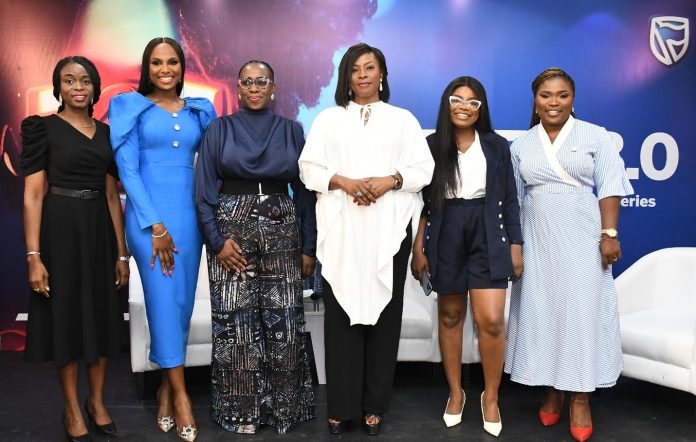
Stanbic IBTC Pension Managers Limited, a subsidiary of Stanbic IBTC Holdings PLC, has empowered women at the third edition of its Ladies At The Table Empowerment Series (LATTES).

The event, which held virtually through a webinar on July 5, 2023, was themed “The Woman of the Future” and featured high-profile business leaders from various works of life who shared their experiences, practical life issues and insights on how they achieve a work-life balance and healthy living.

Having successfully hosted 2 editions, this 3rd edition featured seasoned panelists like Juliet Ehimuan, Founder of Beyond Limits Africa; Dr. Omolola Salako, Founder, Sebeccly Cancer Care and Pearl Oncology Specialist Hospital; Tobi Ayeni, Founder, MissTechy; and Solape Akinpelu, Co-founder and CEO, HerVest.

At his opening remarks, Olumide Oyetan, Chief Executive, Stanbic IBTC Pensions Managers, revealed that the event is targeted at inspiring women so that they can challenge the status quo and make a difference in all their life’s endeavors.

According to Oyetan, “Stanbic IBTC has set aside this transformative event to inspire women on how they can reach new heights and unlock their full potential. Through this platform, we believe that by empowering women, we can create new opportunities for them, not only as individuals but for their families and wider communities.

“As a Bank, to make this event remarkable, we have invited women of value to share invaluable insights, life experiences and strategies on how they scaled through life hurdles and become champions and world changers.

“At Stanbic IBTC, we want to use this event to leave a lasting impact on our women and empower them with the right resources and information they need to emerge as winners in life,” Oyetan added.

On her part, Juliet Ehimuan, Founder, of Beyond Limits Africa, encouraged women to take their future into their hands, especially when it comes to balancing career, family, and community.

According to Ehimuan, “The future of today and tomorrow is dependent on several success factors which include intentionality, courage, digital empowerment, growth mindset, and adaptability. These factors will help shape our perception and mindset.”

In her closing remarks, Nike Bajomo, Executive Director, Business Development, Stanbic IBTC Pension Managers, emphasized that the organization is committed to helping women triumph, not only in their businesses or careers, but also in their homes and committed to giving them equal opportunities.

LAWMA To Seal Buildings Without Waste Bins

LAWMA To Seal Buildings Without Waste Bins

The Lagos Waste Management Authority (LAWMA) has declared that from July 7, 2023, it will launch a seal exercise on residences lacking garbage bins on Lagos Island and the Mainland.

The Executive Director, Finance of LAWMA, Mr. Kunle Adebiyi, stated in a statement issued on Wednesday by the Head of Public Affairs, Mrs. Folashade Kadiri, that this comes two months after abatement letters were sent to the affected regions.

Adebiyi asked property owners and occupants to obtain suitable garbage bins for their residences, noting that tenements had received adequate notice to obtain conventional waste bins.

He said “It is crucial for residents to cultivate proper environmental habits and support the efforts of the Authority to establish a cleaner and more livable environment.

“By taking action against violations and ensuring compliance, we can create a sustainable environment, and help build a city of our dream.”

LAWMA’s full statement

PRESS RELEASE
LAWMA Begins Issuance of Notices to Seal Properties

The Lagos Waste Management Authority (LAWMA) has announced its intention to commence the intention to seal exercise, on homes without waste bins on Lagos Island and Mainland, beginning from 7th July 2023.

This follows the earlier issuance of abatement notices to those areas two months ago, urging property owners and residents to procure adequate waste bins for their homes.

The Executive Director, Finance of LAWMA, Mr. Kunle Adebiyi, gave the hint in a statement, adding that sufficient notice had been given to tenements to procure the standard waste bins. He said, “It is crucial for residents to cultivate proper environmental habits and support the efforts of the Authority to establish a cleaner and more livable environment. By taking action against violations and ensuring compliance, we can create a sustainable environment, and help build a city of our dream”.

He said the notice of intention to seal would serve as a final warning to residents who were yet to procure the bins and maintain proper waste management practices, adding that the enforcement action was aimed at encouraging responsible environmental behavior and to reduce pollution in the city.

“LAWMA’s Enforcement Team will target areas on Lagos Mainland and Island, where violations have been observed. The team will carry out thorough inspections to identify individuals, households, or businesses, that have consistently neglected waste management guidelines.

“Those found in violation will receive an intention to seal notice, outlining the specific actions required to rectify the situation and avoid further penalties. The exercise will be in phases, this is the phase one, and we will visit other areas in the state to ensure full compliance”, he stated.

The executive director, urged residents to take responsibility for maintaining a clean and healthy environment for all, noting that, by adhering to waste management regulations, residents could contribute to the overall cleanliness and sustainability of the environment.

“By adhering to government’s directive for tenements to procure standard covered bins, would ensure that our wastes are properly containerised. This will help save the environment from indiscriminate waste disposal and other hazardous consequences, such as flooding and outbreak of diseases”, he noted.

He said further that LAWMA had been actively working towards improving waste management in Lagos, implementing various initiatives such as waste sorting campaigns, recycling programs, and public awareness campaigns, with the aim of instilling a culture of responsible waste disposal, to minimise the adverse impact of waste on the environment.

Adebiyi appealed to residents to join hands with the administration of Governor Babajide Sanwo-Olu to establish a cleaner and healthier environment, by shunning indiscriminate waste disposal and taking advantage of the waste management services provided by PSP operators.

For waste management related issues and inquiries, call LAWMA toll-free numbers: 07080601020 and 617.

Folashade Kadiri (Mrs.)
Head, Public Affairs
05/07/2023

READ ALSO

Reps Caution JAMB Over Alleged Fake Result, Set Up Committee

Mmesoma Pleads With JAMB For Manipulating Results

The House of Representatives has weighed in on the Joint Admissions and Matriculation Board (JAMB) charge of result falsification leveled against Mmesoma Ejikeme, a 2023 Unified Tertiary Matriculation Examination (UTME) candidate.

The MPs raised concern that the exam authority responded in an unprofessional manner in a case involving a minor by withholding the candidate’s result and barring her from taking the exam for three years.

According to them, the girl was possibly persuaded by an adult.

The House then formed an ad hoc committee to investigate the allegations and urged JAMB to postpone action until the green chamber’s probe was completed.

Previously, in a viral video, Mmesoma described how she acquired her results from the JAMB platform and was astonished to learn about falsified results.

“I printed the result from JAMB portal,” she said. “They now saying that I forged my result is what I don’t know. I am traumatised that they accused me of forging my own result. I am not capable of forging result.”

BizWatch Nigeria recalls that JAMB on Sunday accused the candidate of “manipulating” her exam results this year.

“Miss Ejikeme Joy Mmesoma had actually scored 249 and not the 362 she claimed,” the examination organization said.

Mmesoma stated on a Channels Television program monitored by BizWatch Nigeria on Wednesday that she should not be blamed for the controversy.

“It’s not my fault that I printed my result like that and they said that I forged my result. It’s not my fault. So, them banning it is not fair,” she said.

READ ALSO

Sanlam Group Announces Shortlist For Financial Journalism Awards

Sanlam Group Announces Shortlist For Financial Journalism Awards

Sanlam and Santam, the co-sponsors of the Sanlam Group Awards for Excellence in Financial Journalism, has announced the shortlisted entries for the 2022 awards.

One hundred and nine entries were received for the 2022 competition. The new category, ESG, which has two sub-categories – Business and the Environment and Business and Society, received an impressive response from the journalists, as did other popular categories such as Business and Companies and the African Growth Story. The broadcast categories attracted a significantly limited number of entries.

Mr Nixon Kariithi, Chair of the independent judging panel, said, “The Sanlam Group Awards for Excellence in Financial Journalism continue to grow from strength to strength with widespread participation from across the continent.

“The entries were highly competitive, covering a range of topical issues impacting Africa’s economy, and reflected the relevance of financial journalism on governance, and combining the world of business with compelling human-interest angles.”

The 2022 Sanlam Group Financial Journalist of the Year and category winners will be announced at a gala event in Johannesburg on 3 August 2023.

The shortlisted journalists are:

Category: Business and companies
Dewald van Rensburg, Micah Reddy and Sam SoleamaBhungane Centre for Investigative Journalism
Ann CrottyFinancial Mail
David McKayFinancial Mail
Dewald van RensburgamaBhungane Centre for Investigative Journalism
Rob RoseFinancial Mail

Category: Economy
Claire BissekerFinancial Mail
David McKayFinancial Mail
Natasha MarrianFinancial Mail
Rob RoseFinancial Mail
Ryk van NiekerkMoneyweb, RSG Geldsake
 
Category: Financial markets
David McKayFinancial Mail
Lisa SteynNews24
Marc HasenfussFinancial Mail
Rob RoseFinancial Mail
Ryk van NiekerkMoneyweb, RSG Geldsake
 
Category: Consumer financial education
Bruce WhitfieldRadio 702, The Money show with Bruce Whitfield
Londiwe ButheleziNews24, Today’s Trustee
Maya Fisher-FrenchCity Press, eNCA, Maya on Money
Ruan JoostePersonal Finance
Ryk van NiekerkMoneyweb, RSG Geldsake
 
Category: African Growth Story
Kingsley JeremiahThe Guardian, Nigeria
Mahamadi SebogoSidwaya, Burkina Faso
Mbongeni MguniMmegi, Botswana
Ndamu Sandu             Business Times, Zimbabwe
Paul MurungiDaily Monitor, Uganda
Ronald AdamolekunPremium Times, Nigeria
 
Category: ESG: Business and the Environment
Denene ErasmusBusiness Day and BusinessLIVE, South Africa
Justice NwaforNigeria Tribune, Nigeria
Lisa SteynNews24, South Africa
Olugbenga AdanikinThe International Centre for Investigative Reporting, Nigeria
Paul MurungiDaily Monitor, Uganda
Ridwan Karim Dini-OsmanEIB Network, Ghana
Rob RoseFinancial Mail, South Africa
 
Category: ESG: Business and Society
Gbenga SalauThe Guardian, Nigeria
Lameez OmarjeeNews24
Lisa SteynNews24
Rob RoseFinancial Mail
Ryk van NiekerkMoneyweb, RSG Geldsake
 
Category: Broadcast – Audio/Radio
Bruce WhitfieldThe Money Show – Radio 702 and Cape Talk 567
Destiny OnyemihiaVoice of Nigeria
Henry Tataw EkambiCRTV, Cameroon
Ridwan Karim Dini-OsmanEIB Network, Ghana
Ruan JoostePersonal Finance
Ryk van NiekerkMoneyweb, RSG Geldsake
 
Category: Broadcast – TV/Video
Devi Sankaree GovenderThe Devi Show
Richard Gregory and Elle OosthuizenSteinhest on Showmax

Panelists

Mr Nixon Kariithi, Chair of the independent judging panel and a communications consultant, led the review of submissions. He was joined on the judging panel by:

  • Ms Angela Agoawike (Nigeria) – media practitioner;
  • Ms Emily Brown (Namibia) – media lecturer;
  • Mr Rayborn Bulley (Ghana) – financial journalism trainer;
  • Ms Paula Fray (South Africa) – media development trainer;
  • Ms Ylva Rodny-Gumede (South Africa) – journalism academic;
  • Mr Tom Indimuli (Kenya) – communications consultant;
  • Mr Ulrich Joubert – (South Africa) independent economist;
  • Ms Aggie Assimwe Konde (Uganda) – Chartered Marketer CIM Fellow, ESG advisor;
  • Mr Charles Naude (South Africa) – retired business editor; and
  • Mr Musa Zondi (South Africa) – former environmental news journalist.

Established in 1974, the awards recognise outstanding financial journalists in print, online, radio and television media who are based in Africa, working in an African news organisation and publishing, or broadcasting their work on the continent.

The work of the finalists represents the best financial journalism in Africa, reporting on the continent’s challenges and progress in business, economic development and ESG: Business and Environment and ESG: Business and Society. The awards carry a total cash prize of about R680, 000.

DMBs’ Deposits To CBN Increase Despite Cash Crunch

DMBs' Deposits To CBN Increase Despite Cash Crunch

Despite the liquidity crunch in the financial sector, deposit money banks and merchant banks’ deposits with the Central Bank of Nigeria (CBN) increased to N579.27 billion in June 2023, representing an increase of 25.4 per cent when compared to N461.85 billion in May 2023.

The reported N579.27 billion deposit with CBN is 118.34 per cent Year-on-Year increase when compared to N265.31 billion banks and merchant banks deposit in June 2022.

In a total, banks and merchant banks have deposited N2.99 trillion in half year of 2023, representing an increase of 32.5 per cent from N2.26 trillion in first half of 2022.

DMBs and merchant banks through the Standing Deposit Facility (SDF) on daily basis deposit excess funds with the apex bank at an applicable interest rate of 4.5 per cent at an asymmetric corridor of +100/-700 basis points around the 18.5 per cent Monetary Policy Rate (MPR).

SDF is a monetary policy operation used by CBN’s around the world to absorb deposits from banks, without involving the use of government securities as collateral in return.

In the last six months of 2023, the trend revealed that banks’ deposit with CBN increased with less borrowing, despite the demand to meet the 65 per cent Loan-to-Deposit (LDR) requirement of the CBN.

Analysts attributed the decline in SLF to cash scarcity, stressing that banks and merchant banks were no longer enjoying the usual cash deposits that normally come from businesses and individuals that generate significant amount of cash for them to deposit with CBN.

Commenting, the Chief Executive officer, Wyoming Capital and Partners, Mr. Tajudeen Olayinka stated, “Economy has suffered so much from the problem created by CBN’s mismanagement of currency redesign program and deliberate cash scarcity. A program that was expected to be positive suddenly turned negative because CBN did not understand the dynamics of deliberate cash scarcity as an unusual monetary management tool.”

According to Olayinka, “The most significant factor is the increasing level of threat in the environment of business in Nigeria, arising from: insecurity, supply chain problems, rising inflation, and poor purchasing power, low level of productivity, rising unemployment, liquidity overhang and paucity of risk-free financial instruments.”

He added that, “As a result, most banks prefer to be debited by CBN for running short of LDR limit, as against extending credit to businesses that are finding it difficult to survive. It is all about managing risk.

“When CBN mop-up liquidity, DMBs will first resort to the intervention before they build capacity again. With the increasing inflation rate, the CRR debit is a means to reduce banks ability to extend access cash into the system and control the volume of money in circulation.”

Also, the Vice President, Highcap securities Limited, Mr. David Adnori explained that banks and merchant banks are sceptical about the new government economy directions, stressing that lending to key sectors call for caution.

The CBN had in July 2019 directed that banks’ daily deposits placement through its SDF should not exceed N2 billion, stressing that any daily deposits above the stipulated amount will not attract interest payments.

The CBN had noted in its 2019 guidelines that the N2billion deposit represents 73 per cent reduction from the previous limit of N7.5 billion introduced way back in 2014.

In November 2014, the CBN said it observed that banks and discount houses preferred to keeping their idle balances in the SDF with the CBN.

Unfortunately, this preference contributed to the restraining of the financial intermediation process, the reason the CBN opted to review the guidelines for the operation of the standing deposit facility.

The review recommended that daily placements by discount houses and banks at the SDF should not exceed N7.5 billion.

Data from the CBN official website revealed that banks and merchant banks borrowing dropped by 88 per cent to N235.06 billion in June 2023 from N1.93 trillion in June 2023.

The CBN lends money to banks and merchant banks through the SLF at interest rate of 100 basis points above the MPR.

Standing facilities (lending and deposit) are instruments of liquidity management, according to the CBN. They serve as avenues to invest surplus funds overnight and to square up whenever the system is short at the end of each business day.

BizWatchNigeria.Ng
Privacy Overview

This website uses cookies so that we can provide you with the best user experience possible. Cookie information is stored in your browser and performs functions such as recognising you when you return to our website and helping our team to understand which sections of the website you find most interesting and useful.