Key points
- At least 3,715 Primary Healthcare Centres (PHCs) across 19 states and the Federal Capital Territory are currently non-operational.
- Katsina State recorded the highest number of inactive PHCs with 349 facilities, followed by Osun State with 326.
- Health experts warn that the collapse of primary healthcare services threatens disease prevention, maternal care, immunisation, and emergency response systems nationwide.
Main story
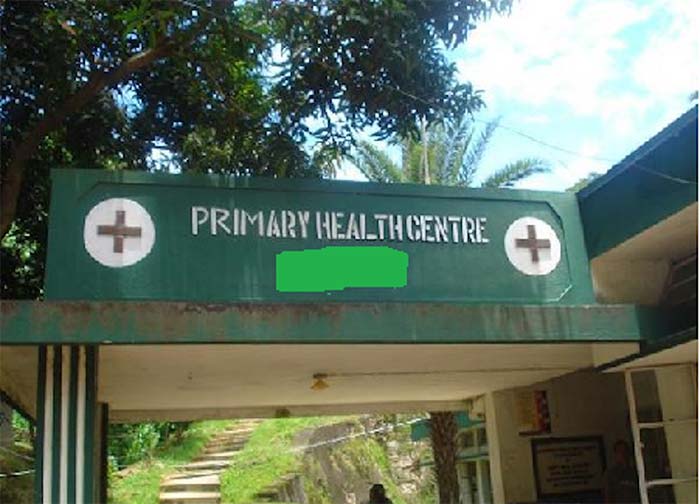
Nigeria’s fragile healthcare system has come under renewed scrutiny following revelations that no fewer than 3,715 Primary Healthcare Centres (PHCs) across 19 states and the Federal Capital Territory are currently non-operational, raising concerns over access to essential healthcare services for millions of citizens.
Findings from an analysis of the PHC Indicator Dashboard of the National Primary Health Care Development Agency (NPHCDA) revealed widespread inactivity among facilities expected to serve as the foundation of healthcare delivery, particularly in rural and underserved communities.
The figures underscore growing concerns about the state of Nigeria’s primary healthcare system, widely regarded by health experts as the backbone of disease prevention, maternal and child healthcare, immunisation, and emergency medical response.
According to the data, Katsina State recorded the highest number of inactive PHCs with 349 dormant facilities, while Osun State followed closely with 326.
Other states with significant numbers of non-functional PHCs include Kano State with 279; Enugu State with 268; Benue State with 265; and Delta State with 246.
The analysis also showed that Kogi State recorded 230 inactive facilities, while Ogun State had 227 and Adamawa State recorded 225.
Further findings revealed that Bauchi State had 212 inactive PHCs, Rivers State recorded 205, while Ondo State had 198.
In addition, Cross River State recorded 172 non-operational facilities, while Yobe State had 161.
The report further showed that Edo State recorded 146 inactive PHCs, while Borno State had 120. Nasarawa State recorded 115 inactive centres, Bayelsa State had 100, while the Federal Capital Territory accounted for 62 dormant facilities.
Primary Healthcare Centres represent the first point of contact for millions of Nigerians seeking medical attention, especially in rural communities where access to secondary and tertiary healthcare facilities remains limited.
The centres are expected to provide essential services including antenatal and postnatal care, child immunisation, malaria treatment, tuberculosis screening, family planning, nutrition support, treatment of common illnesses, disease surveillance, and health education.
PHCs also play a critical role in Nigeria’s response to public health emergencies and infectious disease outbreaks. During outbreaks of cholera, measles, meningitis, and COVID-19, the centres served as frontline facilities for vaccination campaigns, community sensitisation, and patient referrals.
However, Nigeria’s PHC system has struggled for decades with chronic underfunding, inadequate infrastructure, shortages of skilled health workers, and poor maintenance culture.
Previous reports by health sector stakeholders have identified abandoned projects, lack of medical equipment, irregular electricity supply, poor water access, and deteriorating road networks as recurring challenges affecting healthcare centres nationwide.
In many rural communities, some PHCs reportedly exist only in name, with buildings either abandoned, partially completed, or operating without qualified personnel and essential medicines.
Insecurity has also worsened the situation in parts of Northern Nigeria. In insurgency-affected states such as Borno State, Yobe State, and parts of Adamawa State, attacks on communities and displacement of healthcare workers have disrupted medical services over the years.
Environmental challenges have equally affected healthcare delivery in riverine states such as Bayelsa State and Rivers State, where flooding and difficult terrain often hinder access to health infrastructure.
The Federal Government, through the National Primary Health Care Development Agency, has introduced several interventions aimed at revitalising primary healthcare delivery across the country.
These include the Basic Health Care Provision Fund designed to improve financing for grassroots healthcare services, as well as the policy initiative aimed at ensuring at least one functional PHC in every political ward nationwide.
Authorities have also implemented periodic renovation and upgrade programmes targeting selected PHCs across the country.
The issues
The growing number of inactive PHCs highlights the deep structural weaknesses within Nigeria’s healthcare system, particularly at the grassroots level where millions depend on public healthcare facilities for survival.
Health experts warn that the collapse of primary healthcare services could worsen maternal and child mortality rates, reduce immunisation coverage, weaken disease surveillance, and increase vulnerability during public health emergencies.
Stakeholders also argue that poor implementation, delayed release of funds, weak accountability mechanisms, and inadequate monitoring continue to undermine government interventions aimed at revitalising the sector.
What’s being said
Healthcare stakeholders say the current situation reflects years of neglect and inadequate investment in primary healthcare infrastructure.
Experts have repeatedly stressed that strengthening PHCs is essential to achieving universal health coverage, improving health outcomes, and reducing pressure on overcrowded secondary and tertiary hospitals.
Community advocates are also calling for urgent rehabilitation of dormant facilities, recruitment of qualified health workers, and improved funding mechanisms to restore public confidence in the healthcare system.
What’s next
The Federal Government and relevant health agencies are expected to intensify efforts toward the revitalisation of inactive PHCs through infrastructure upgrades, improved staffing, and better funding allocation.
Stakeholders are also likely to push for stricter monitoring and accountability measures to ensure healthcare intervention funds are effectively utilised.
Health experts believe that restoring functionality to dormant PHCs will be critical to improving healthcare access, particularly in rural and conflict-affected communities.
Bottom line
The discovery that over 3,700 Primary Healthcare Centres are inactive across Nigeria underscores the severe challenges confronting the country’s healthcare system. While government interventions continue, experts warn that without sustained funding, accountability, and infrastructure investment, millions of Nigerians may remain without access to essential healthcare services.