





Keypoints
- OPEC+ has issued a formal warning that repairing energy infrastructure damaged in recent attacks will be a “costly and lengthy” process.
- Eight key member nations, including Saudi Arabia and Russia, agreed on Sunday to increase oil production quotas by 206,000 barrels per day (bpd) starting in May.
- The cartel emphasized that the security of international maritime routes, particularly the Strait of Hormuz, is critical for global energy stability.
- Experts estimate that recent disruptions in the Middle East have already forced a significant curtailment in production from major Gulf producers.
Main Story
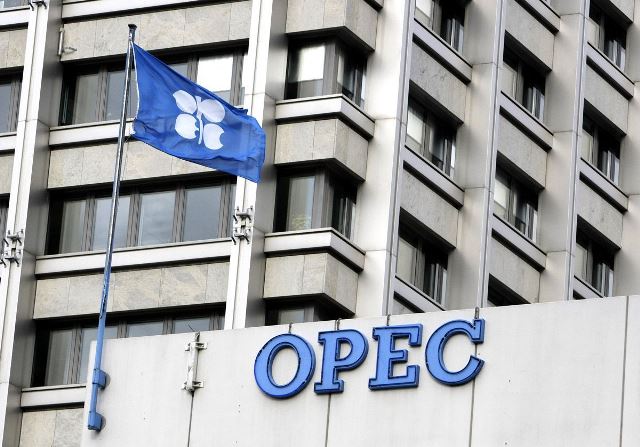
In a statement following a virtual meeting on Sunday, the OPEC+ oil cartel warned that the global energy landscape faces prolonged instability due to infrastructure damage.
The group, which includes major producers like Saudi Arabia and Russia, noted that restoring energy assets to full capacity is a difficult task that could impact supply availability well into the future. This warning comes as the “V8” group of core members, including Iraq, the UAE, Kuwait, Kazakhstan, Algeria, and Oman—met to review market conditions amid the ongoing U.S.-Israel war in Iran.
According to a report by AFP, the cartel has decided to implement a production adjustment, raising quotas by 206,000 barrels per day for May 2026.
This move is part of a broader effort to unwind previous voluntary cuts, despite the volatility caused by drone strikes on oil facilities in countries like Kuwait.
The report highlighted that while the group is attempting to increase output, the virtual blockade of the Strait of Hormuz remains a massive hurdle. With roughly 20% of the world’s crude passing through this chokepoint, the current restrictions have raised questions about whether increased production can even reach global markets.
The Issues
The primary challenge is the technical and financial burden of rehabilitating bombed-out energy hubs. OPEC+ indicated that any actions undermining energy security, whether through physical attacks or maritime disruptions weaken collective efforts to support market stability. There is also a growing disconnect between production “targets” and actual “export” capabilities; while the cartel has authorized more oil, the inability to safely transit the Gulf means that millions of barrels remain trapped or severely delayed.
What’s Being Said
- “Restoring damaged energy assets to full capacity is both costly and takes a long time, thereby affecting overall supply availability,” OPEC+ stated in its joint communique.
- The cartel stressed the “critical importance of safeguarding international maritime routes to ensure the uninterrupted flow of energy.”
- Market analysts noted that the conflict has resulted in “the largest disruption to oil supplies in history,” with Brent crude prices surging toward $120 a barrel.
- “Any actions undermining energy supply security… increase market volatility and weaken the collective efforts to support market stability,” the participating countries added.
What’s Next
- Member nations will continue to monitor the Strait of Hormuz to determine if additional production hikes are feasible if transit routes reopen.
- Global energy prices are expected to remain high as the market factors in the long-term “supply gap” caused by damaged infrastructure.
- The Joint Ministerial Monitoring Committee (JMMC) will likely meet again within the next month to assess whether the May production increase is reaching consumers or being stymied by logistics.
Bottom Line
The OPEC+ decision to raise output is a signal of intent, but the group’s dire warning about infrastructure damage suggests that the global oil market may not see a real recovery until the physical and maritime security of the Gulf is fully restored.