









By Bolwatife Oshadiya | March 2, 2026
Key Points
- OPEC+ agrees to raise oil production by 206,000 barrels per day in April
- Move begins gradual reversal of 1.65 million bpd voluntary cuts introduced in 2023
- Decision comes amid heightened Middle East tensions following U.S.–Israel strikes on Iran
Main Story
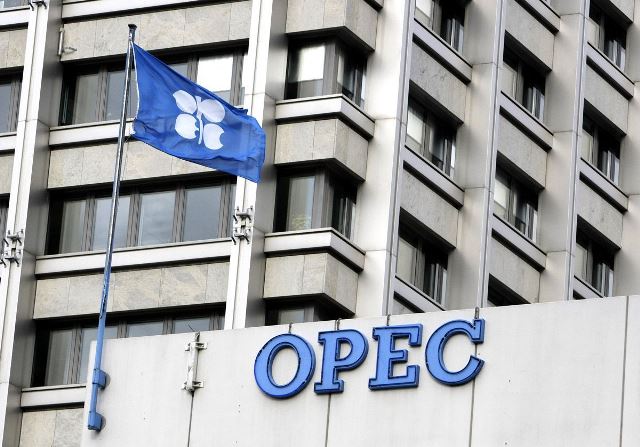
The Organisation of the Petroleum Exporting Countries and its allies, known collectively as OPEC+, on Sunday agreed to increase oil production by 206,000 barrels per day (bpd) beginning in April.
The decision was reached during a virtual ministerial meeting involving Saudi Arabia, Russia, Iraq, the United Arab Emirates, Kuwait, Kazakhstan, Algeria, and Oman. According to a statement published on the group’s official website, the output adjustment marks the start of a phased unwinding of the 1.65 million bpd voluntary production cuts first announced in April 2023.
“The eight participating countries decided to resume the unwinding of the 1.65 million barrels per day of additional voluntary adjustments announced in April 2023 and agreed on a production adjustment of 206,000 barrels per day,” the statement said.
OPEC+ said global economic conditions remain steady and oil market fundamentals are healthy, citing relatively low inventory levels as evidence of balanced supply-demand dynamics.
The voluntary cuts, which were extended through the end of 2026, may be reversed either partially or fully depending on evolving market conditions, the group noted. The eight participating countries are scheduled to reconvene on April 5 to assess further production decisions.
The April increase is expected to conclude OPEC+’s planned production adjustments for the first quarter of 2026.
The announcement follows heightened geopolitical tensions in the Middle East after U.S. and Israeli strikes on Iranian targets raised concerns about potential supply disruptions, particularly around the Strait of Hormuz. Market analysts anticipate increased volatility in oil prices as trading resumes Monday.
What’s Being Said
“The global economic outlook is steady and current market fundamentals are healthy,” OPEC said in its official communiqué.
Energy market analysts note that the measured increase signals confidence in demand stability despite geopolitical risks.
What’s Next
- OPEC+ members will meet again on April 5 to review market conditions
- Oil markets are expected to react sharply when trading opens Monday
- Further production adjustments may be implemented if supply disruptions emerge
The Bottom Line: OPEC+ is signaling market confidence by cautiously restoring output, but escalating Middle East tensions introduce a layer of geopolitical risk that could quickly reshape supply expectations and price stability in the weeks ahead.
 beginning in April.)