





KEY POINTS
- Brent crude rose above $111 per barrel in early trading as tensions in the Middle East heightened concerns about oil supply.
- US crude prices climbed as much as 5 per cent to around $109 per barrel, their highest level since April.
- Weaker than expected US housing starts later weighed on prices, raising concerns about a possible slowdown in fuel demand.
- Houthi rebels claimed attacks on targets in Saudi Arabia, while the UK announced plans to deploy fighter jets to help protect the country.
MAIN STORY
Global oil prices climbed in early trading on Tuesday as renewed tensions in the Middle East heightened concerns about supply disruptions and the cost of transporting crude oil.
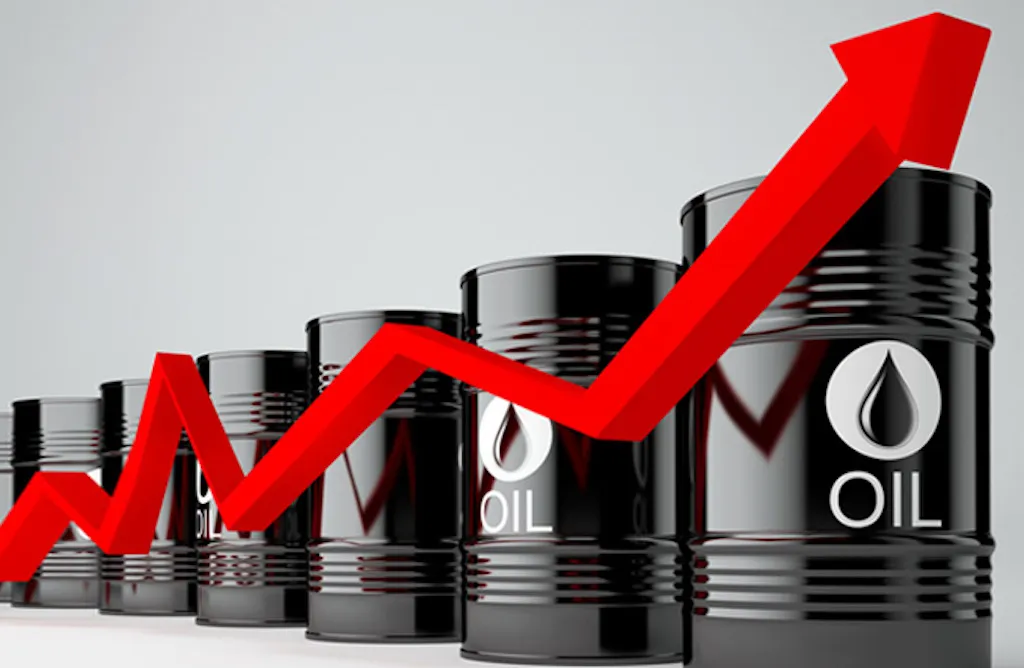
Brent crude rose by 1.5 per cent to above $111 per barrel, its highest level since May, while US crude futures gained as much as 5 per cent to approximately $109 per barrel, reaching their highest level since April.
Prices later pulled back after weaker than expected US housing starts raised concerns about a possible slowdown in economic activity and fuel demand.
The movements reflect the competing pressures facing oil markets, with geopolitical risks supporting prices while signs of weaker economic activity could limit demand.
US gasoline prices averaged $4.28 per gallon, marking their lowest level in a month. However, sustained increases in crude oil prices could reverse that improvement as higher feedstock costs pass through the fuel supply chain.
THE ISSUES
Oil price increases can raise costs across the transport, manufacturing and logistics sectors. Businesses that rely heavily on fuel may face higher operating expenses, while consumers could experience renewed pressure on household budgets if fuel prices rise.
For countries that depend on imported petroleum products, elevated global crude prices can also increase the cost of securing supplies. The effect on domestic prices depends on factors including exchange rates, refining costs, distribution expenses and local pricing arrangements.
The market’s direction remains uncertain because supply concerns are unfolding alongside signs that economic activity may be weakening. Stronger geopolitical risks can push prices higher, but a slowdown in demand could reduce the upward pressure.
WHAT’S NEXT
Developments in the Middle East and further economic data from the United States will remain important indicators for oil prices. Any escalation that threatens production, shipping routes or regional energy infrastructure could increase supply concerns, while weaker demand could place downward pressure on prices.
The UK has announced plans to deploy fighter jets over Saudi Arabia to help protect against further attacks by Houthi rebels. The group claimed on Monday that it had targeted airport, energy and military sites in Saudi Arabia, as well as a training camp in Yemen.
BOTTOM LINE
Oil prices are being driven by uncertainty over Middle East security and the outlook for global demand. If crude prices remain elevated, the pressure could spread to fuel, transport and production costs, making energy prices an important risk for businesses and consumers.
Source: NBC News