







By Boluwatife Oshadiya | April 7, 2026
Key Points
- Oil prices edge higher amid U.S. deadline for Iran to reopen Strait of Hormuz
- Brent trades near $110, while WTI rises above $112 per barrel
- Escalating Middle East tensions sustain volatility in global energy markets
Main Story
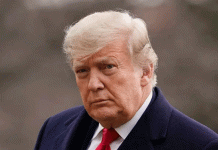
Oil prices rose modestly on Tuesday, maintaining heightened volatility as markets reacted to a looming deadline issued by U.S. President Donald Trump demanding Iran reopen the Strait of Hormuz or face potential military strikes on critical infrastructure.
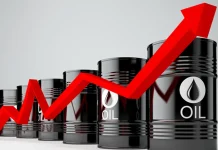
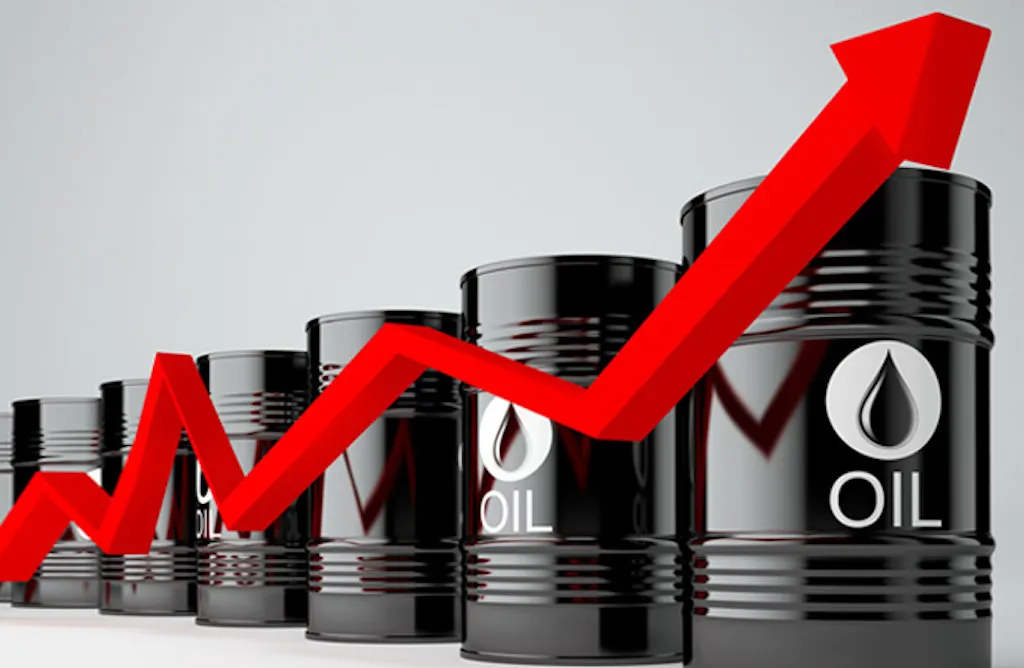
Brent crude climbed to $109.97 per barrel, while U.S. West Texas Intermediate (WTI) gained 0.5% to $112.93, extending a strong rally that has seen WTI surge over 21% in the past month and nearly double year-on-year.
The price movement reflects deepening geopolitical risk following Trump’s warning that Iranian power plants and bridges could be “decimated” if Tehran fails to comply by 8 p.m. Eastern Time. The ultimatum comes amid reports that Israel has already identified strategic infrastructure targets in Iran, awaiting U.S. approval to proceed.
The situation follows weeks of escalating hostilities triggered by a joint U.S.-Israel offensive on February 28, which reportedly resulted in over 1,300 fatalities. Iran has since retaliated with drone and missile strikes across the region while restricting maritime traffic through the Strait of Hormuz — a critical artery for roughly 20% of global oil supply.
A planned Pentagon briefing ahead of the deadline was abruptly cancelled, further intensifying uncertainty across global markets.
What’s Being Said
“The market is pricing in a worst-case scenario where Hormuz disruption becomes prolonged. That risk premium is now firmly embedded in crude prices,” said Daniel Yergin, Vice Chairman, S&P Global.
“Any sustained closure or restriction in the Strait would have immediate and severe implications for global supply chains,” said Fatih Birol, Executive Director, International Energy Agency.
What’s Next
- Trump’s deadline for Iran expires Tuesday, 8 p.m. ET
- Potential U.S. or joint military response if no compliance
- OPEC+ and global markets expected to react to any supply disruption
Bottom Line
The Bottom Line: Oil markets are now trading less on fundamentals and more on geopolitical risk. A failure to resolve the Hormuz standoff could trigger a sustained price shock with global inflationary consequences.