






KEY POINTS
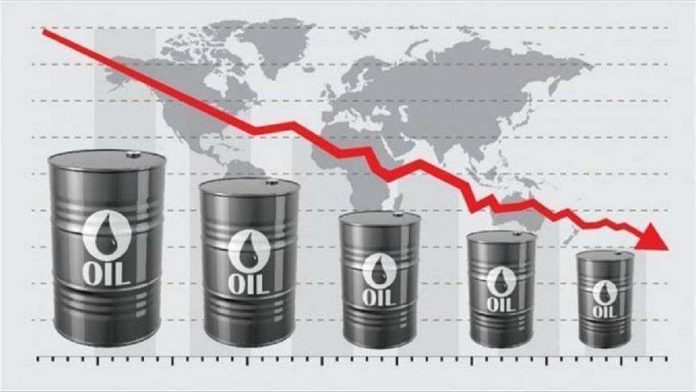
- Brent crude fell 1.58% to $91.29 per barrel, while US WTI declined 1.43% to $85.29.
- Diplomatic efforts involving Ukraine and Iran have encouraged expectations of reduced supply disruptions.
- Higher OPEC+ production and a reported 9 million barrel increase in US crude inventories added pressure on prices.
- Uncertainty around the Strait of Hormuz continues to limit expectations of a sharper decline.
MAIN STORY
Global oil prices fell by more than $1 per barrel on Thursday, November 12, as diplomatic efforts to ease tensions in Ukraine and the Middle East encouraged investors to reassess the risk of supply disruptions.
Brent crude futures declined by $1.47, or 1.58%, to $91.29 per barrel as of 6:26 a.m. Kyiv time. US West Texas Intermediate (WTI) crude fell by $1.24, or 1.43%, to $85.29 per barrel.
The declines reversed gains recorded during the previous trading session. Brent had risen by 1.4% on Wednesday, while WTI gained 0.6%, recovering from two-month lows.
Diplomatic developments involving Russia and Ukraine contributed to the change in market sentiment. During two days of talks in Abu Dhabi, the countries agreed on a large-scale prisoner exchange. However, significant disagreements, particularly over territorial issues, remain unresolved, according to reports from American mediators.
Traders are also monitoring the possibility of reduced tensions between the United States and Iran ahead of a planned US-China summit.
Hiroyuki Kikukawa, chief strategist at Nissan Securities Investment, said market participants were factoring in the possibility of diplomatic agreements. However, uncertainty over the Strait of Hormuz continues to support oil prices because of the route’s importance to international crude shipments.
Supply developments have added to the downward pressure. OPEC+ countries increased production in October, with Saudi Arabia accounting for much of the reported increase.
Meanwhile, preliminary figures from the American Petroleum Institute (API) indicated that US commercial crude oil inventories rose by 9 million barrels during the week.
Official inventory figures from the US Energy Information Administration (EIA) were expected on November 12, following a one-day postponement due to a public holiday in the United States.
THE ISSUES
Oil prices respond to both the amount of crude available and the likelihood that supplies could be interrupted. When traders expect diplomatic progress, the risk premium built into prices can decline because the possibility of disruptions appears less severe.
The Strait of Hormuz remains important to this calculation. It is a major route for oil shipments from the Gulf to international markets. Continued instability around the passage means that even when diplomatic progress is reported, traders cannot assume that supply risks have disappeared.
Higher OPEC+ production and rising US inventories also point to increased availability of crude. When more oil is supplied or stored, buyers may face less pressure to compete for available barrels, putting downward pressure on prices.
For Nigeria, changes in global crude prices have implications for government oil revenue and the foreign exchange earnings generated by crude exports. However, lower international prices do not automatically translate into cheaper petrol at Nigerian filling stations. Local pump prices also depend on factors such as refining costs, exchange rates, transportation and distribution expenses.
WHAT’S NEXT
The market will be watching the EIA’s official inventory figures for confirmation of the reported increase in US crude stocks. Further diplomatic developments involving Ukraine and Iran, alongside OPEC+ production decisions and conditions around the Strait of Hormuz, will also influence price movements.
BOTTOM LINE
Oil prices are facing pressure from increased production, rising US inventories and hopes of diplomatic progress. However, the unresolved security risks around the Strait of Hormuz mean the market remains exposed to sudden changes in supply expectations.